NEET-UG 2026 paper leak: Rouse Avenue court reserves order, Nov 18 date set
Synopsis
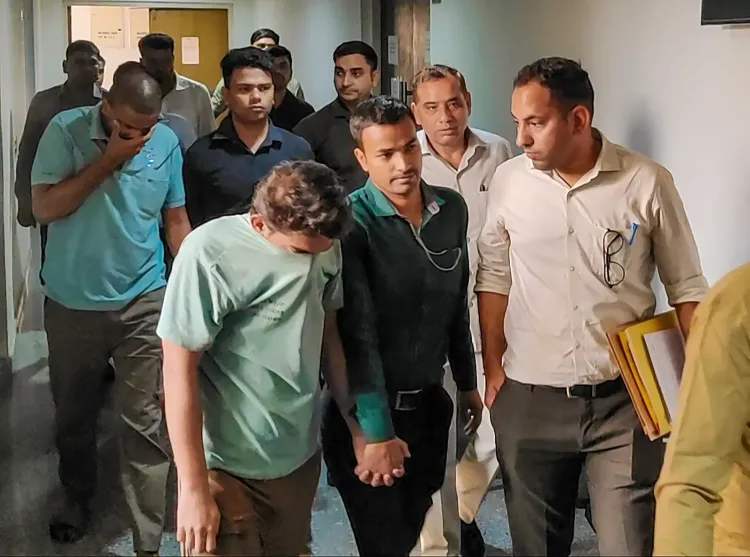
A Delhi Fast Track Court has reserved its order on framing charges in the NEET-UG 2026 paper leak case, with a November 18 pronouncement date. The CBI's chargesheet implicates 14 accused — including NTA insiders who allegedly hand-copied 135 Chemistry questions on slips of paper — and exposes surveillance failures at the NTA's own office that enabled the leak.
Key Takeaways
A Fast Track Court at Rouse Avenue, Delhi reserved its charge-framing order on 29 October 2026 ; order due 18 November 2026 .
The CBI filed a chargesheet on 28 July 2026 against 13 accused , later adding a 14th accused, Sheshrao Bajrang Suryavanshi , in October.
Kulkarni allegedly hand-wrote all 135 Chemistry questions on paper slips and smuggled them out of the NTA office.
The chargesheet cited 360 witnesses , 422 documents , and 43 material objects .
CCTV backup at the NTA office was only 20–25 days , with no dedicated monitoring room — a critical security lapse flagged by investigators.
The original NEET-UG 2026 exam (held 3 May ) was cancelled; a re-examination was conducted on 21 June 2026 .
A specially designated Fast Track Court at the Rouse Avenue Courts Complex in New Delhi on Thursday, 29 October 2026, reserved its order on the framing of charges against the accused in the NEET-UG 2026 question paper leak case. The court will pronounce its order on 18 November 2026.
Background of the Case
The case stems from the alleged leakage of confidential question papers ahead of the NEET-UG 2026 examination, which was held on 3 May 2026 and subsequently cancelled following the controversy. A re-examination was conducted on 21 June 2026 under heightened security arrangements, after the Department of Higher Education under the Union Ministry of Education filed a complaint. The Central Bureau of Investigation (CBI) registered the case on 12 May 2026.
What the CBI Chargesheet Alleges
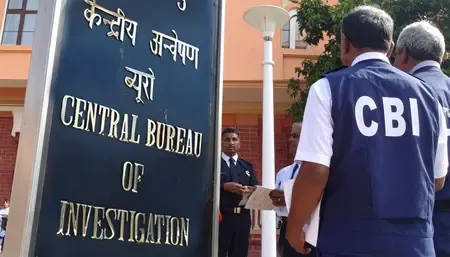
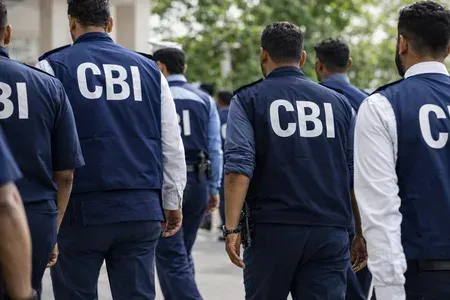
The CBI filed a chargesheet against 13 accused on 28 July 2026, naming a network that allegedly included National Testing Agency (NTA) subject experts, intermediaries, coaching operators, and others. According to investigators, three NTA subject experts — tasked with translating, back-translating, and proofreading the question papers — allegedly exploited security lapses to remove confidential questions from the NTA's Delhi office.
Notably, the CBI has claimed that one of the accused, P.V. Kulkarni, hand-wrote all 135 Chemistry questions, along with their answer options, on small slips of paper and smuggled them out of the confidential section. The chargesheet cited 360 witnesses, 422 documents, and 43 material objects in support of the prosecution's case.
Security Failures at NTA Flagged
Investigators also flagged significant surveillance failures at the NTA office. According to the CBI, only 20–25 days of CCTV backup were available, and there was no dedicated control room to monitor the live feed from the confidential section — a gap that allegedly allowed the accused to operate undetected.
14th Accused and the Network's Reach
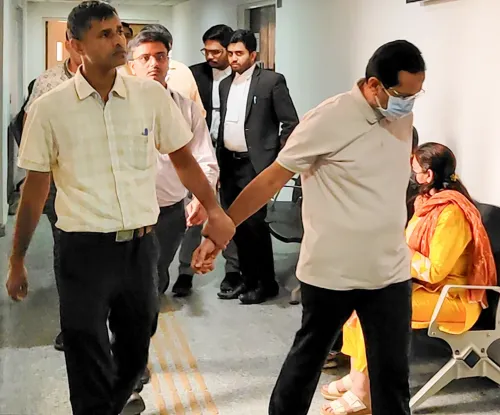
The CBI subsequently filed a supplementary chargesheet against Sheshrao Bajrang Suryavanshi, the 14th accused arrested in the case, before the special court in October 2026. Investigators claimed Suryavanshi was linked to Shubham Khairnar, a career counsellor arrested in Nashik, Maharashtra, who is allegedly accused of circulating the leaked question paper on social media.
Charges and Legal Framework
The accused face charges under multiple laws: the Bharatiya Nyaya Sanhita (BNS), the Prevention of Corruption Act, and the Public Examinations (Prevention of Unfair Means) Act, 2024 — the last being a legislation specifically enacted to deter malpractice in public examinations. The Fast Track Court itself was constituted under this Act to expedite proceedings in such cases.
With the charge-framing order due on 18 November 2026, the case moves toward a critical procedural milestone that will formally define the legal battle ahead for all 14 accused.
Point of View
2024, the first time its Fast Track Court mechanism is being deployed at scale. What the CBI's chargesheet quietly reveals is more damning than the accused: an NTA that lacked basic CCTV retention policies and had no live monitoring of its own confidential section. If insiders could hand-copy 135 questions without detection, the structural failure sits above the accused in the org chart. The November 18 charge-framing order will matter less for legal momentum than for whether the systemic accountability — of the NTA itself — ever gets the same prosecutorial energy as the individual conspirators.
NationPress
29 Oct 2026
Frequently Asked Questions
What is the NEET-UG 2026 paper leak case?
The NEET-UG 2026 paper leak case involves the alleged theft and circulation of confidential question papers ahead of the national medical entrance examination held on 3 May 2026. The exam was subsequently cancelled and re-conducted on 21 June 2026 after the CBI registered a case on 12 May 2026 following a complaint from the Union Ministry of Education.
What did the Delhi court decide on 29 October 2026?
The Fast Track Court at Rouse Avenue, Delhi, reserved its order on the framing of charges against the accused on 29 October 2026 and scheduled the pronouncement for 18 November 2026. Framing of charges is a key procedural step that formally initiates the trial.
Who are the accused in the NEET-UG 2026 leak case?
The CBI has chargesheeted 14 accused, including NTA subject experts, intermediaries, coaching operators, and others. Among them, P.V. Kulkarni is accused of hand-copying 135 Chemistry questions, while Sheshrao Bajrang Suryavanshi and Shubham Khairnar are linked to circulating the paper on social media.
What security failures did the CBI highlight at the NTA?
The CBI flagged that only 20–25 days of CCTV footage were available at the NTA office and that there was no dedicated control room to monitor the live feed from the confidential section. These lapses allegedly allowed accused NTA employees to remove question papers undetected.
Under which laws are the accused being tried?
The accused face charges under the Bharatiya Nyaya Sanhita (BNS), the Prevention of Corruption Act, and the Public Examinations (Prevention of Unfair Means) Act, 2024 — a law specifically enacted to deter malpractice in competitive public examinations.