Bihar on high alert as Nepal flash flood threatens Gandak river surge
Synopsis
Bihar has placed multiple Gandak-belt districts on high alert after Nepal warned of a flash-flood wave that could send a three-metre surge downstream. With NDRF teams pre-positioned and Chief Secretary Pratyaya Amrit chairing an emergency review, this is a live cross-border flood threat that could affect millions in Bihar's northern plains.
Key Takeaways
Bihar placed districts along the Gandak river on high alert on 26 August following a Nepal flash-flood warning.
A flood wave of approximately three metres could potentially reach the Gandak, according to preliminary assessments.
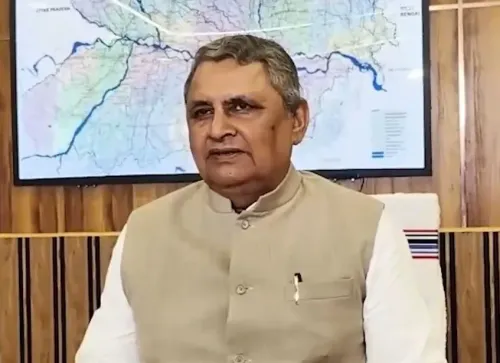
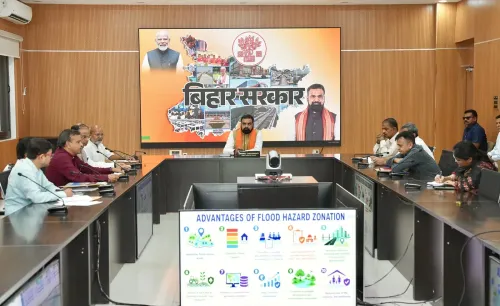
Chief Secretary Pratyaya Amrit chaired an emergency review meeting with District Magistrates and police officials via video conference.
NDRF teams are being deployed to Gopalganj and kept on standby in Muzaffarpur ; a third team can reach Bettiah within two hours .
High-risk zones in Nepal's Gandak catchment include Rasuwa, Nuwakot, Dhading, Gorkha, Lamjung , and Tanahun .
Residents have been urged to stay calm, remain alert, and follow only official sources for flood information.
The Bihar government on Wednesday, 26 August escalated flood preparedness across districts bordering the Gandak river, following warnings of a flash-flood wave in the river's upper catchment area in Nepal. Preliminary assessments suggest a flood wave of approximately three metres could reach the Gandak, prompting authorities to place multiple districts on high alert.
High-Level Review Meeting Convened
A senior-level review meeting was chaired by Bihar Chief Secretary Pratyaya Amrit on Wednesday, with District Magistrates, senior police officers, and Superintendents of Police from at-risk districts participating via video conference. The meeting assessed the developing situation in Nepal and its potential downstream impact on Bihar.
Chief Secretary Amrit directed officials to complete rescue, evacuation, and relief arrangements in advance, ensuring that residents can be moved to safer locations immediately should river levels rise without warning.
Districts on Special Vigil
Special vigilance has been ordered in West Champaran (Bettiah), East Champaran (Motihari), Gopalganj, Saran, Muzaffarpur, and Vaishali. Authorities in Sitamarhi and Sheohar, along with other vulnerable districts, have been instructed to maintain continuous monitoring of river levels, embankments, low-lying areas, bridges, culverts, and other critical infrastructure.
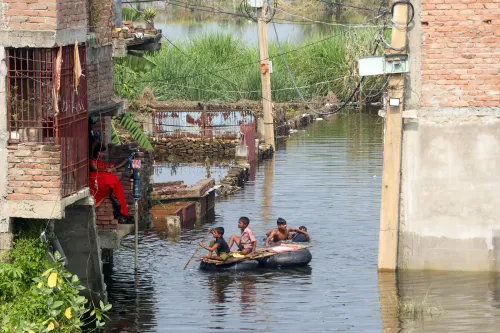
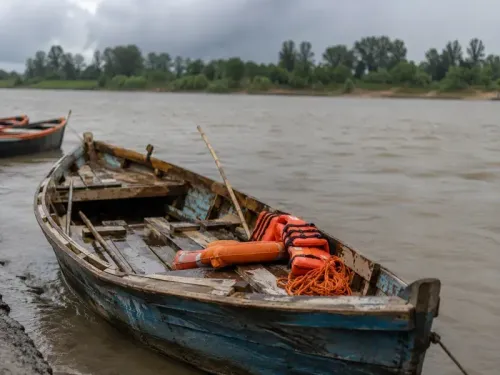
Officials have been told to report any signs of structural stress or damage immediately. Districts have also been directed to keep adequate boats, relief shelters, and community kitchens on standby so that evacuation and relief operations can begin without delay.
NDRF Deployment and Emergency Resources
The state has begun pre-deploying emergency resources ahead of any potential surge. A National Disaster Response Force (NDRF) team is being dispatched to Gopalganj, while another will remain on standby in Muzaffarpur. A third NDRF team is being made available for deployment to Bettiah within approximately two hours if required.
Sashastra Seema Bal Deputy Inspector General Sanjay Singhal has assured the availability of Quick Reaction Teams (QRTs) and additional assistance in Bettiah if the situation demands. The Water Resources Department has been directed to ensure safe management of water flows through the Gandak Barrage and its canal network, with engineers ordered to maintain round-the-clock vigilance.
High-Risk Zones Identified in Nepal
Within the Gandak catchment, the districts of Rasuwa, Nuwakot, Dhading, Gorkha, Lamjung, and Tanahun in Nepal have been identified as high-risk areas. Dolakha and Sindhupalchok have been classified as high-risk zones in the Kosi catchment, while moderate risks have been forecast across several areas of the Kosi, Bagmati, and Gandak catchments.
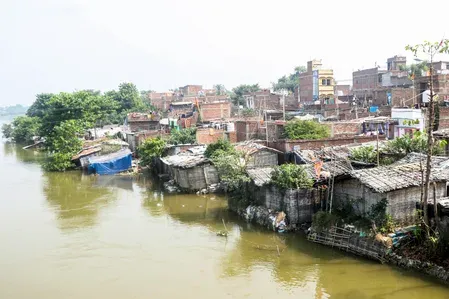
This cross-border flood risk is not new — Bihar's northern plains are perennially vulnerable to flash floods originating in Nepal's hills, particularly during the monsoon season. The Gandak, Kosi, and Bagmati rivers routinely carry surge waters from Nepal into Bihar, making early-warning coordination between the two countries critical.
Government Urges Calm, Countering Misinformation
The Bihar government has emphasised that there is no cause for panic, but has urged residents in vulnerable areas to remain alert and follow instructions from local authorities. District Magistrates have been asked to hold daily media briefings and actively monitor social media to counter rumours and misinformation. Residents have been urged to rely exclusively on official and credible sources for flood-related updates.
With NDRF teams being positioned and district-level machinery on standby, the government's response will be closely watched as river levels are expected to be monitored continuously over the coming days.
Point of View
When delayed responses cost lives. The pre-positioning of NDRF teams before a wave arrives — rather than after — signals a meaningful shift in protocol. Yet the deeper structural issue remains unaddressed: Bihar's northern plains are chronically exposed to Nepal's hydrology, and bilateral early-warning systems are still far weaker than the risk warrants. Until real-time data sharing between Kathmandu and Patna is institutionalised, each monsoon season will demand this same scramble.
NationPress
26 Aug 2026
Frequently Asked Questions
Why is Bihar on flood alert today?
Bihar is on high alert on 26 August after warnings of a flash-flood wave in the upper catchment of the Gandak river in Nepal. Preliminary assessments suggest the wave could reach approximately three metres, posing a serious downstream risk to several Bihar districts.
Which districts in Bihar are most at risk?
West Champaran (Bettiah), East Champaran (Motihari), Gopalganj, Saran, Muzaffarpur, Vaishali, Sitamarhi, and Sheohar have been placed under special vigilance. These districts lie along the Gandak river's flood plain and are historically vulnerable during Nepal's monsoon surges.
Where are NDRF teams being deployed?
An NDRF team is being sent to Gopalganj, another is on standby in Muzaffarpur, and a third can be deployed to Bettiah within approximately two hours. The Sashastra Seema Bal has also assured availability of Quick Reaction Teams in Bettiah.
Which areas in Nepal are identified as high-risk?
Rasuwa, Nuwakot, Dhading, Gorkha, Lamjung, and Tanahun have been identified as high-risk zones in Nepal's Gandak catchment. Dolakha and Sindhupalchok are classified as high-risk in the Kosi catchment, with moderate risks forecast across parts of the Kosi, Bagmati, and Gandak catchments.
What should residents in flood-vulnerable Bihar districts do?
Authorities have urged residents to remain calm but alert, follow instructions from local officials, and rely only on official sources for flood-related information. District Magistrates are conducting daily media briefings, and social media is being monitored to counter misinformation.