Nepal floods kill 7 in Rasuwa; Bihar and Uttarakhand on high alert
Synopsis
A glacial flash flood in Nepal's Rasuwa district has killed at least seven and sent shockwaves across the Indian border. With a GLOF warning now active and Bihar's Gandak River communities on standby, this is not a routine monsoon alert — it is a transboundary disaster in motion, with hours potentially separating upstream surge from downstream catastrophe.
Key Takeaways
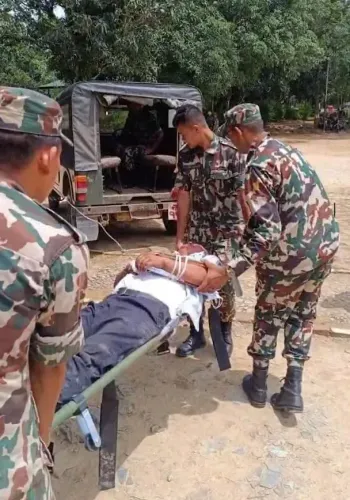
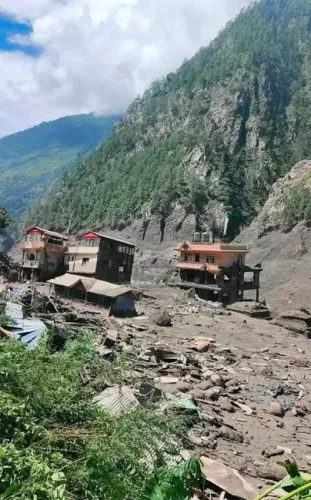
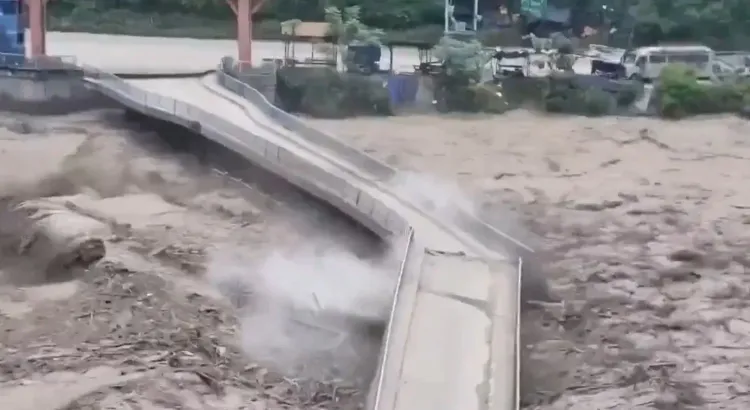
A flash flood in the Bhote Koshi River in Nepal's Rasuwa district on 26 August killed at least 7 people , with several others missing.
Bihar CM Samrat Choudhary constituted a high-level committee; the Chief Secretary and DGP are monitoring the situation.
West Champaran DM Taranjot Singh issued precautionary directives for villages along the Nepal border and Gandak River banks amid a possible GLOF .
Uttarakhand CM Pushkar Singh Dhami expressed solidarity with Nepal and flagged the disaster as 'heartbreaking and alarming' in an X post.
Residents in flood-prone areas have been advised to avoid riverbanks, ignore rumours, and follow only official advisories.
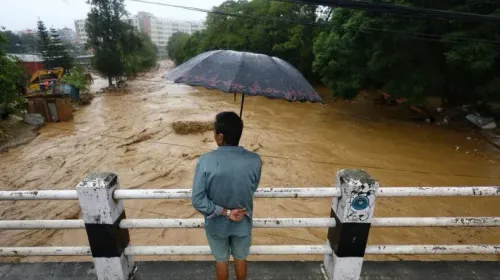
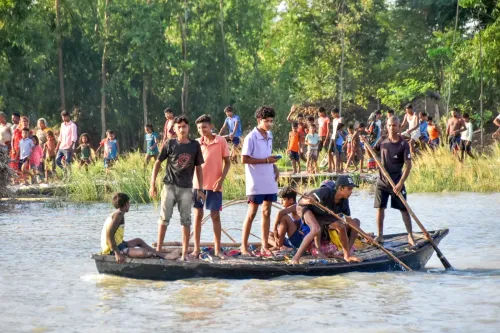
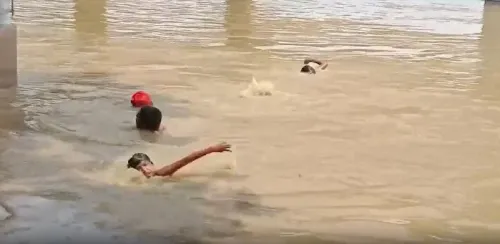
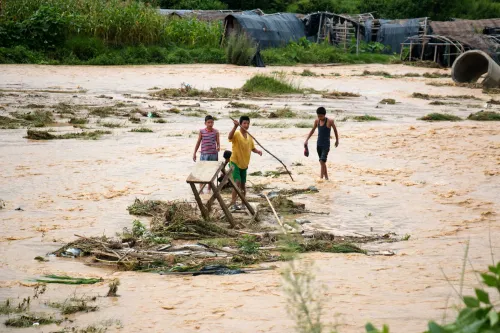
A sudden flash flood in the Bhote Koshi River in Nepal's Rasuwa district on Wednesday, 26 August killed at least seven people and left several others missing, triggering a cascade of emergency preparedness measures across border states in India. Authorities in Bihar and Uttarakhand moved swiftly to step up monitoring as the risk of downstream flooding grew.
Bihar Activates High-Level Committee
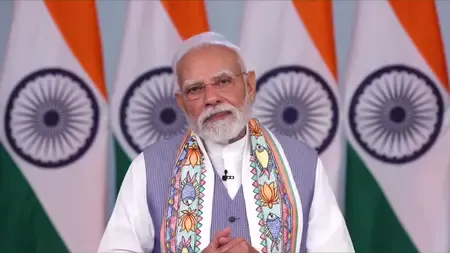
Bihar Chief Minister Samrat Choudhary confirmed that a high-level committee has been constituted to continuously track the evolving situation. 'A high-level team has been constituted. The Chief Secretary and the DGP are monitoring this, and I am also holding a meeting immediately. If necessary, I will go there myself,' he told reporters.
The committee is tasked with round-the-clock surveillance and coordinating response efforts across departments. This is a standard but significant escalation — Bihar has historically been among the most flood-vulnerable states in India, with rivers originating in Nepal frequently breaching banks during monsoon surges.
GLOF Warning Prompts Action Along Gandak River
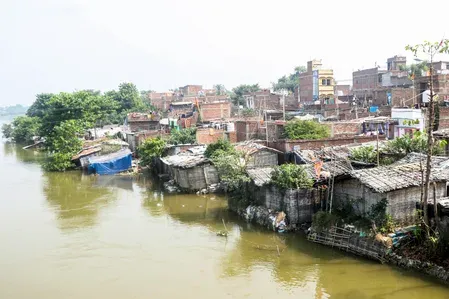
In West Champaran, District Magistrate Taranjot Singh directed officials and executive engineers to take all necessary precautionary measures in villages along the Nepal border and on the banks of the Gandak River, following reports of a possible Glacial Lake Outburst Flood (GLOF) in Nepal.
The district administration has placed departments on standby and is maintaining continuous surveillance. A public advisory urged residents to remain alert without panicking, to avoid riverbanks unnecessarily, and to rely solely on official communications. 'The public should not panic, but exercise utmost caution. People living on the banks of the Gandak River and in low-lying areas should not go near the river unnecessarily. Ignore any rumours and rely only on official information issued by the administration,' the advisory stated.
Uttarakhand CM Expresses Concern, Posts on X
Uttarakhand Chief Minister Pushkar Singh Dhami expressed deep concern over the casualties and property damage caused by the flooding. In a post on social media platform X, Dhami said: 'The sudden devastating flood in the Bhote Koshi River originating from Tibet in Nepal's Rasuwa region has caused immense loss of life and property, which is extremely heartbreaking and alarming.'
He added: 'In this difficult time, our sympathies are with the affected families of Nepal. I pray to God for the safe well-being of all.' Uttarakhand shares a border with Nepal and is itself prone to glacial outburst events, making the CM's concern particularly pointed.
The Broader Risk: Why Downstream India Is Watching Closely
The Bhote Koshi, which originates in Tibet, has a documented history of sudden and severe flooding triggered by glacial lake outbursts — a risk that intensifies with rising Himalayan temperatures. When such events occur in Nepal's upper catchment areas, the surge can reach Indian border districts within hours, leaving little time for evacuation.
This comes amid an already active 2025 monsoon season, with several north Indian states already managing elevated river levels. The combination of monsoon rainfall and a potential GLOF raises the risk profile significantly for communities along the Gandak and other transboundary rivers. Authorities have urged vigilance as the situation continues to develop.
Point of View
And each time it does, it exposes the same structural gap: India's border districts have hours, not days, to respond to upstream glacial events in Nepal. Bihar's high-level committee and West Champaran's GLOF advisory are the right moves, but they are reactive. The deeper question is whether the early-warning data-sharing architecture between Kathmandu and New Delhi is fast enough to make those hours count. With Himalayan glacial retreat accelerating, transboundary flood events of this kind are likely to grow in frequency and severity — and a committee constituted after the fact is not a substitute for a standing bilateral rapid-response protocol.
NationPress
26 Aug 2026
Frequently Asked Questions
What caused the Nepal floods on 26 August 2025?
A sudden flash flood struck the Bhote Koshi River in Nepal's Rasuwa district on 26 August, killing at least seven people and leaving several missing. The river, which originates in Tibet, is prone to glacial lake outburst floods, and authorities flagged a possible GLOF as a contributing risk factor.
Why is Bihar on high alert due to Nepal floods?
Rivers including the Gandak, which flows through Bihar, originate in or near Nepal's flood-affected regions. A surge upstream can reach Indian border communities within hours. Bihar Chief Minister Samrat Choudhary has constituted a high-level committee and directed continuous monitoring of river levels.
What is a Glacial Lake Outburst Flood (GLOF)?
A GLOF occurs when a glacial lake — formed by meltwater dammed by ice or moraine — suddenly bursts, releasing a massive volume of water downstream. In the Himalayas, GLOFs can trigger devastating flash floods with very little warning, posing acute risks to communities in Nepal and northern India.
Which Indian states are most at risk from the Nepal flooding?
Bihar and Uttarakhand are the most immediately at risk. West Champaran district in Bihar, which borders Nepal and sits along the Gandak River, has been placed on precautionary alert. Uttarakhand CM Pushkar Singh Dhami has also flagged concern given the state's shared border with Nepal.
What should residents in flood-prone areas do?
The West Champaran district administration has advised residents to remain alert without panicking, avoid riverbanks and low-lying areas unnecessarily, ignore rumours, and follow only official advisories. In the event of rising water levels or official warnings, residents must immediately comply with evacuation or other instructions issued by the administration.