West Bengal new school syllabus from 2028: Education Minister Burman
Synopsis
West Bengal is set for its most significant school curriculum overhaul in years — but not until 2028. Education Minister Dipak Burman has confirmed a new syllabus aligned with NEP 2020, with a public draft and stakeholder consultation planned, and a pointed commitment to strip political content from textbooks, including a chapter on the TMC-led Singur movement.
Key Takeaways
West Bengal will introduce a restructured school syllabus from the 2028 academic year , confirmed Education Minister Dipak Burman on 4 August .
Existing textbooks will be retained and reviewed in 2027 ; no syllabus changes are planned for that year.
Books will be delivered to students before Book Day on 2 January 2027 , as per tradition.
The new curriculum will address structural questions including the semester system and pass-fail system , guided by NEP 2020 .
The draft syllabus will be made public for feedback from political and student organisations before finalisation.
Burman pledged to remove political content from textbooks, citing the previous government's inclusion of a chapter on the TMC-led Singur movement .
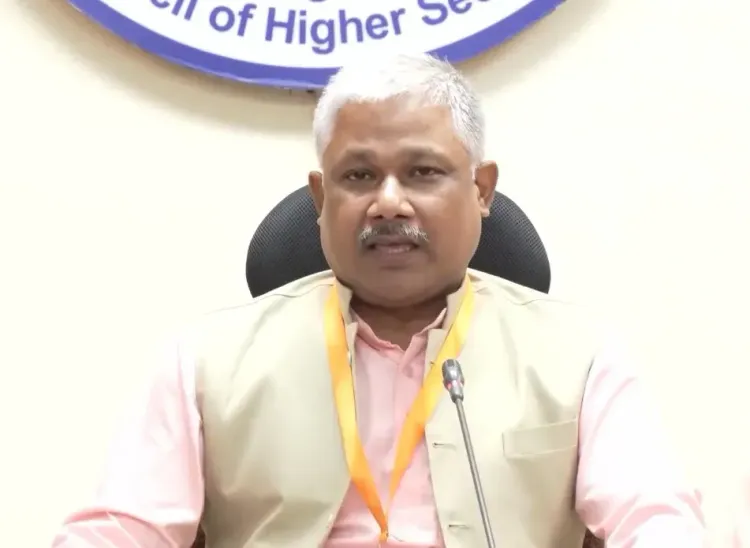
West Bengal School Education Minister Dipak Burman on Tuesday, 4 August confirmed that a comprehensively restructured school syllabus will come into effect from the 2028 academic year, following the first formal meeting of the newly constituted syllabus committee in Kolkata. The announcement signals the most significant overhaul of the state's school curriculum in years.
Key Developments from the Committee Meeting
The inaugural meeting of the new syllabus committee, chaired by Professor Kalyan Chakraborty, was also attended by Minister of State for School Education Koushik Chowdhury and State Education Secretary Vinod Kumar. Speaking to media after the meeting, Burman said the committee had begun charting a long-term roadmap aimed at developing both the current and future generations of the state.
Existing textbooks will be retained and reviewed during the 2027 academic year, with no syllabus changes planned for that year due to time constraints. As per established practice, books will be delivered to students ahead of Book Day on 2 January 2027.
What the 2028 Syllabus Will Cover
The restructured curriculum is set to address sensitive structural questions — including whether to reintroduce the pass-fail system and whether to adopt a semester system — in alignment with the National Education Policy 2020 (NEP). The draft curriculum, once prepared, will be made public and feedback will be invited from political and student organisations before finalisation.
Burman also confirmed that English medium schools launched under the previous government will continue to operate, with proposals under consideration to raise their academic quality and standards. Discussions are additionally underway to promote Sanskrit more widely in the curriculum.
Commitment to Keeping Politics Out of Curriculum
Burman explicitly committed to removing political influence from the new syllabus. Referring to a chapter introduced during the previous Mamata Banerjee-led government on the land acquisition movement at Singur in Hooghly district — led by the All India Trinamool Congress (TMC) in 2007 — the minister said there would be no politics in the curriculum going forward.
'There will be a fear-free environment and scientific mindset. Educationists will consider whether it is reasonable to include Singur or recent history in the textbooks,' Burman said. He added that the government will take decisions based on the syllabus committee's final recommendations.
What Happens Next
The committee will now work on preparing a draft curriculum and syllabus for 2028. Once ready, the draft will undergo a public consultation process, with inputs sought from a broad cross-section of stakeholders. The government's final decisions on structural reforms such as the semester and pass-fail systems will follow the committee's guidance.
Point of View
But it also defers accountability. The pledge to depoliticise textbooks is notable — but the Singur reference cuts both ways: the incoming government is making its own political statement by flagging a predecessor's political statement. The real test will be whether the public consultation process is genuinely open or becomes a rubber stamp. West Bengal's education system has historically been a site of ideological contest, and NEP 2020 alignment does not automatically insulate the curriculum from that dynamic.
NationPress
4 Aug 2026
Frequently Asked Questions
When will the new school syllabus come into effect in West Bengal?
The new school syllabus in West Bengal will come into effect from the 2028 academic year, as confirmed by Education Minister Dipak Burman on 4 August. Existing textbooks will be retained and reviewed in 2027, with no changes planned for that year.
Who is heading the West Bengal syllabus committee?
The new syllabus committee is headed by Professor Kalyan Chakraborty. Its first meeting, held in Kolkata, was also attended by Minister of State for School Education Koushik Chowdhury and State Education Secretary Vinod Kumar.
Will the pass-fail system return to West Bengal schools?
It is under consideration. Education Minister Dipak Burman said sensitive issues like the pass-fail system and the semester system will be deliberated as part of the 2028 curriculum reform, in line with the National Education Policy 2020 guidelines.
How will the new syllabus be finalised?
Once the draft curriculum is prepared, it will be made public and opinions will be sought from political and student organisations before finalisation. The government will then decide based on the syllabus committee's recommendations.
What did the minister say about political content in textbooks?
Minister Dipak Burman committed to keeping politics out of the new curriculum. He referenced a chapter on the TMC-led Singur land acquisition movement introduced under the previous government, stating that educationists — not politicians — would determine what historical content is appropriate for textbooks.