Amrit Bharat Express: NFR logs 1.78 lakh passengers, ₹23 crore earnings in Assam, Bengal
Synopsis
Seven pairs of Amrit Bharat Express trains from Assam and West Bengal have carried over 1.78 lakh passengers and earned ₹23 crore since January 2026 — with the Dibrugarh–Gomti Nagar service hitting 140% occupancy. For a region long underserved by rail, the numbers signal a genuine shift in long-distance connectivity.
Key Takeaways
Seven pairs of Amrit Bharat Express trains operate from Assam and West Bengal under the Northeast Frontier Railway (NFR) .
The services carried more than 1.78 lakh passengers and generated earnings exceeding ₹23 crore since January 2026 .
The Dibrugarh–Gomti Nagar service recorded occupancy exceeding 140 per cent on multiple trips.
The Kamakhya–Rohtak service reached utilisation of up to 136 per cent .
Routes connect key Northeast hubs — Guwahati , Dibrugarh , Alipurduar Junction , New Jalpaiguri — with cities across India.
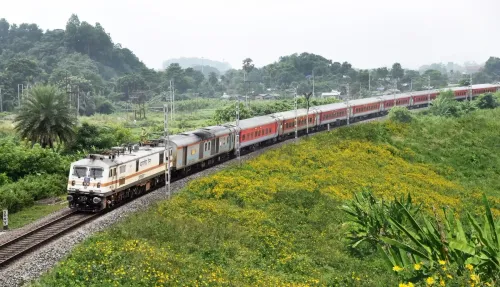
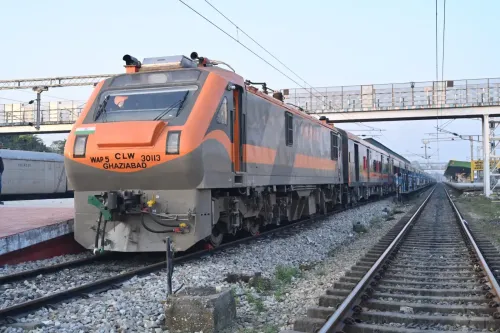
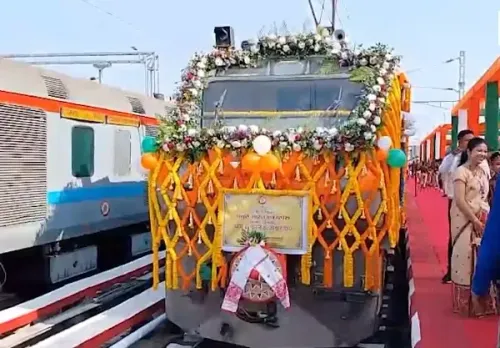
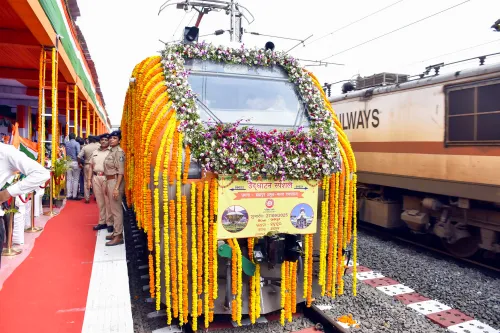
The Amrit Bharat Express trains operating under the Northeast Frontier Railway (NFR) from stations in Assam and West Bengal have posted strong ridership and revenue numbers since their launch in January 2026, with officials describing the performance as one of Indian Railways' standout successes this year. The services carried more than 1.78 lakh passengers and generated earnings exceeding ₹23 crore in the period under review, according to NFR.
Key Developments
A total of seven pairs of Amrit Bharat Express trains currently originate from Assam and West Bengal under NFR's jurisdiction. The routes connect Guwahati, Dibrugarh, Alipurduar Junction, and New Jalpaiguri with major cities across India, including Rohtak, Gomti Nagar, SMVT Bengaluru, Panvel, Charlapalli, Tiruchchirappalli, and Nagercoil.
Several of these services recorded occupancy levels significantly above 100 per cent, indicating demand that consistently outpaces available capacity.
Top-Performing Routes
The Kamakhya–Rohtak Amrit Bharat Express reached utilisation of up to 136 per cent, while the Dibrugarh–Gomti Nagar service exceeded 140 per cent occupancy on multiple trips — the highest among the seven pairs. These figures suggest sustained, not just seasonal, demand for affordable long-distance connectivity from the Northeast.
What NFR Officials Said
NFR Chief Public Relations Officer Kapinjal Kishore Sharma said the trains were receiving 'exceptional appreciation and an overwhelming response from passengers across the country.' He attributed the performance to the combination of modern interiors, spacious seating, improved onboard amenities, and economical fares that make the Amrit Bharat Express accessible to common passengers.
Sharma added that the Northeast Frontier Railway, headquartered at Maligaon near Guwahati, remained committed to enhancing passenger amenities and delivering safe, efficient services. NFR operates across the Northeastern states, seven districts of West Bengal, and five districts of north Bihar.
Broader Impact
Beyond ridership numbers, officials argue the trains are contributing to regional development, tourism, and economic integration by strengthening rail links between the Northeast and the rest of India. This comes amid a broader Indian Railways push to upgrade rolling stock and expand affordable long-distance connectivity under the Amrit Bharat programme. Notably, the Northeast has historically faced a connectivity deficit relative to other regions, making high-occupancy figures on these routes particularly significant.
With demand consistently exceeding capacity on key corridors, the pressure on NFR to add more pairs or increase frequency is likely to grow in the months ahead.
Point of View
And while the Amrit Bharat programme is a step forward, seven train pairs for a region spanning eight states and tens of millions of people is a starting point, not a solution. The real test is whether Railways translates these ridership figures into faster expansion of the fleet and frequency on these corridors.
NationPress
15 Sept 2026
Frequently Asked Questions
What is the Amrit Bharat Express and when did it start in the Northeast?
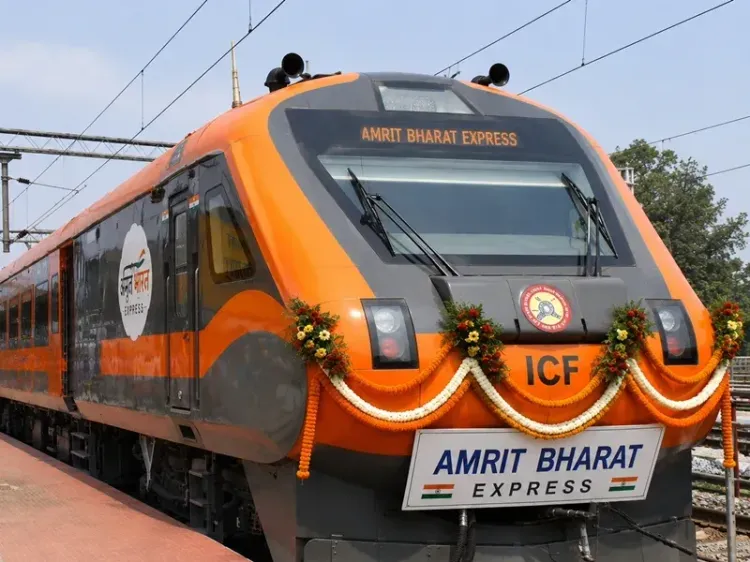
The Amrit Bharat Express is an Indian Railways service designed for common passengers, offering modern interiors, spacious seating, and economical fares. Under the Northeast Frontier Railway, services from Assam and West Bengal commenced in January 2026.
Which Amrit Bharat Express route recorded the highest occupancy?
The Dibrugarh–Gomti Nagar Amrit Bharat Express recorded the highest occupancy, exceeding 140 per cent on multiple trips. The Kamakhya–Rohtak service also performed strongly, reaching up to 136 per cent utilisation.
How many passengers have the NFR Amrit Bharat Express trains carried so far?
Since January 2026, the seven pairs of Amrit Bharat Express trains under NFR have carried more than 1.78 lakh passengers and generated earnings exceeding ₹23 crore, according to NFR officials.
Which cities are connected by Amrit Bharat Express trains under NFR?
The seven pairs link Northeast hubs — Guwahati (Kamakhya), Dibrugarh, Alipurduar Junction, and New Jalpaiguri — with Rohtak, Gomti Nagar, SMVT Bengaluru, Panvel, Charlapalli, Tiruchchirappalli, and Nagercoil.
What area does the Northeast Frontier Railway cover?
The Northeast Frontier Railway, headquartered at Maligaon near Guwahati, operates across the Northeastern states as well as seven districts of West Bengal and five districts of north Bihar.