NFR railway connectivity Northeast: 5x budget hike, 4,170 km electrified in 12 years
Synopsis
The Northeast Frontier Railway has electrified over 95% of its network, laid 2,000 km of new tracks, and nearly quintupled its annual budget — all within 12 years. The zone is now eyeing cross-border rail links with Bhutan, while deploying AI to protect elephants along its tracks. It is one of India's most quietly ambitious infrastructure turnarounds.
Key Takeaways
NFR's annual budget has risen nearly five-fold from ₹2,122 crore (2009–14 average) to ₹11,486 crore in 2026–27 .
More than 95% of the NFR network is now electrified, covering over 4,170 route kilometres — up from near zero before 2014 .
Over 2,000 km of new railway tracks have been laid, with rail now reaching the capitals of Arunachal Pradesh , Tripura , and Mizoram .
Cross-border rail links with Bhutan — Banarhat–Samtse and Kokrajhar–Gelephu — are under development to boost regional trade.
More than 500 Road Over/Under Bridges built; AI-based elephant intrusion detection and hoolock gibbon canopy bridges installed.
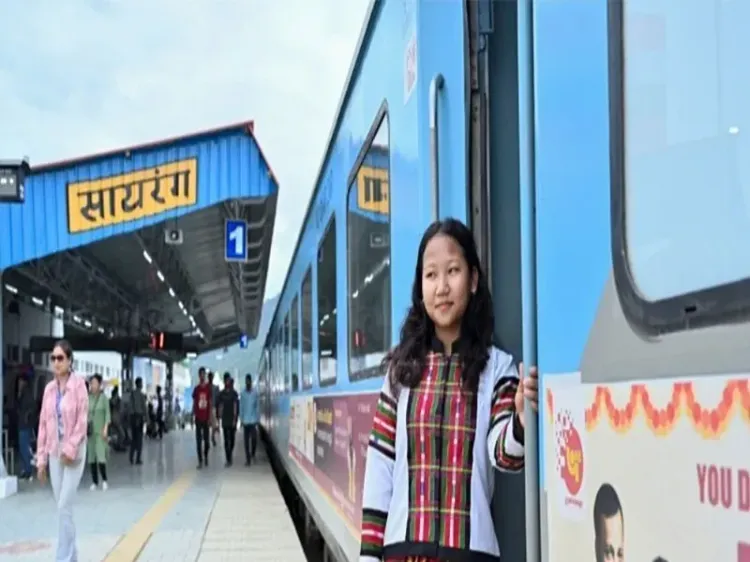
Modern services including Vande Bharat and Amrit Bharat trains introduced; stations upgraded under the Amrit Bharat Station Scheme .
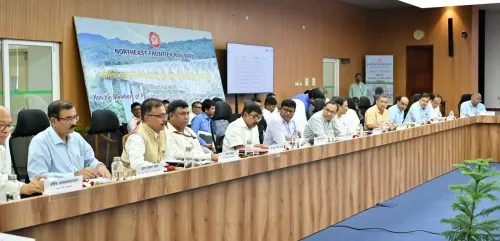
The Northeast Frontier Railway (NFR) has transformed rail infrastructure across the Northeast over the past 12 years, recording sweeping gains in electrification, new track-laying, and passenger services, according to officials. The zone's budgetary allocation has risen nearly five-fold — from an average of ₹2,122 crore during 2009–14 to ₹11,486 crore in 2026–27 — fuelling an accelerated pace of development across the region.
Electrification and Gauge Conversion
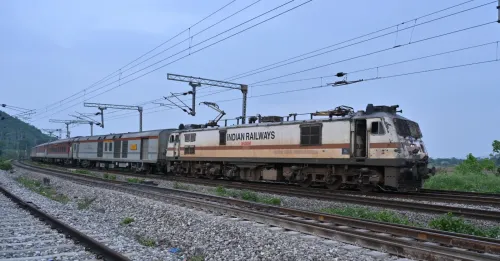
Railway electrification in the Northeast was virtually non-existent before 2014. Today, more than 95 per cent of the NFR network stands electrified, with over 4,170 route kilometres covered, enabling faster and greener train operations. Alongside this, the entire metre gauge-to-broad gauge conversion programme across the region has been completed — a milestone officials describe as one of the most significant achievements of this period.
New Tracks and Capital Connectivity
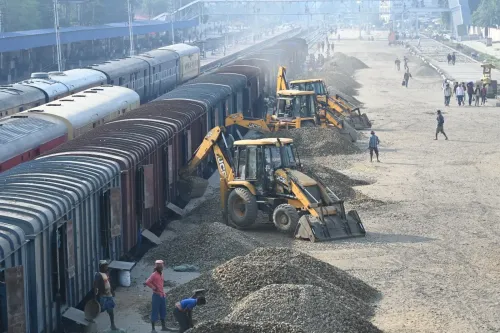
The NFR has laid more than 2,000 kilometres of new railway tracks, encompassing new lines and doubling projects. Rail connectivity has been extended to the capitals of Arunachal Pradesh, Tripura, and Mizoram. Strategic projects in Sikkim, Nagaland, and Manipur are progressing and are expected to further strengthen the region's rail network.
Passenger Services and Station Upgrades
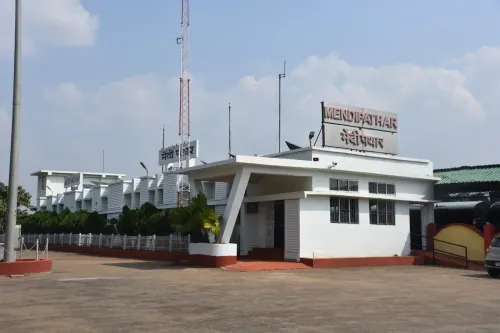
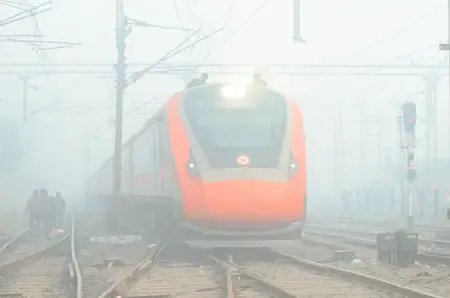
Passenger experience has received a significant upgrade through station redevelopment under the Amrit Bharat Station Scheme. Modern train services — including Vande Bharat, Amrit Bharat, and Vande Bharat Sleeper — have been introduced. Stations now feature lifts, escalators, digital ticketing facilities, and improved infrastructure.
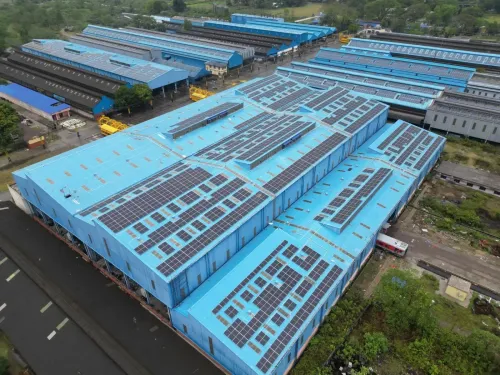
Transformative infrastructure projects are also under way, including a new rail-cum-road bridge alongside the Saraighat Bridge in Guwahati and a Wagon Periodic Overhauling Workshop at Basbari in Kokrajhar.
Cross-Border Links and Safety Innovations
The NFR is expanding international connectivity through proposed rail links with Bhutan — the Banarhat–Samtse and Kokrajhar–Gelephu corridors — which are expected to boost cross-border trade and regional economic growth.
On the safety and environment front, more than 500 Road Over Bridges and Road Under Bridges have been constructed. The NFR has also deployed AI-based elephant intrusion detection systems and installed canopy bridges for hoolock gibbons, reflecting a rare integration of infrastructure development with wildlife conservation.
NFR Chief Public Relations Officer Kapinjal Kishore Sharma said the railway zone continues to play a pivotal role in shaping a more connected and prosperous Northeast, with several major projects still in progress.
Point of View
But the framing deserves scrutiny. A five-fold budget increase is impressive on paper; the more telling metric is utilisation — how much of that allocation was actually spent versus lapsed. Electrifying 95% of a network that was largely non-electrified a decade ago is a genuine achievement, but connectivity to state capitals matters only if frequency and capacity follow. The Bhutan rail links, if completed, could be transformative for landlocked trade corridors — yet cross-border rail projects in this region have a long history of announcement without delivery. The AI elephant-detection and gibbon bridges are genuinely novel, signalling that the NFR is thinking beyond concrete — but these remain footnotes unless the strategic projects in Manipur and Nagaland, which face significant terrain and security challenges, actually reach completion.
NationPress
14 Sept 2026
Frequently Asked Questions
What is the Northeast Frontier Railway (NFR)?
The Northeast Frontier Railway (NFR) is one of India's 18 railway zones, responsible for rail operations and infrastructure across the northeastern states including Assam, Arunachal Pradesh, Manipur, Meghalaya, Mizoram, Nagaland, Tripura, Sikkim, and parts of West Bengal. It is headquartered in Maligaon, Guwahati.
How much has the NFR's budget increased over the past 12 years?
The NFR's annual budgetary allocation has risen nearly five-fold, from an average of ₹2,122 crore during 2009–14 to ₹11,486 crore in 2026–27, according to officials. This increase has funded electrification, new track-laying, and station upgrades across the region.
Which northeastern state capitals now have rail connectivity?
Rail connectivity has been extended to the capitals of Arunachal Pradesh, Tripura, and Mizoram. Strategic projects in Sikkim, Nagaland, and Manipur are currently under progress and are expected to further expand the network.
What are the NFR's planned rail links with Bhutan?
The NFR is developing two cross-border rail corridors with Bhutan — the Banarhat–Samtse link and the Kokrajhar–Gelephu link. These are intended to enhance cross-border trade and economic integration between India and Bhutan.
What environmental and safety measures has the NFR introduced?
The NFR has installed AI-based elephant intrusion detection systems along its tracks and erected canopy bridges for hoolock gibbons to allow safe wildlife movement. It has also constructed more than 500 Road Over Bridges and Road Under Bridges to improve safety at level crossings.