How is NFR Enhancing Passenger Services with a New Schedule?
Synopsis
The Northeast Frontier Railway (NFR) is set to revolutionize travel in the Northeastern region with a new timetable starting January 1, 2026. Discover how this initiative will enhance passenger services, operational efficiency, and connectivity in Bihar and West Bengal, making travel easier and more accessible for all.
Key Takeaways
New timetable effective January 1, 2026.
20 new train services introduced.
Increased frequency for existing trains.
Over 170 new stoppages added.
Shift towards electric traction for sustainability.
Guwahati, Dec 31 (NationPress) In a move to significantly improve passenger-focused services and operational effectiveness, aimed at bolstering railway connectivity throughout the Northeastern region, Bihar, and West Bengal, the Northeast Frontier Railway (NFR) has unveiled a revised timetable, set to commence on the first day of the New Year, officials announced on Wednesday.
NFR’s Chief Public Relations Officer (CPRO) Kapinjal Kishore Sharma stated that this new timetable, focusing on passenger comfort and operational efficiency, will be implemented from January 1, 2026, featuring numerous enhancements aimed at improving travel experiences across the zone.
The NFR, based in Maligaon in Guwahati, extends its operations across the Northeastern states, in addition to seven districts in West Bengal and five districts in North Bihar.
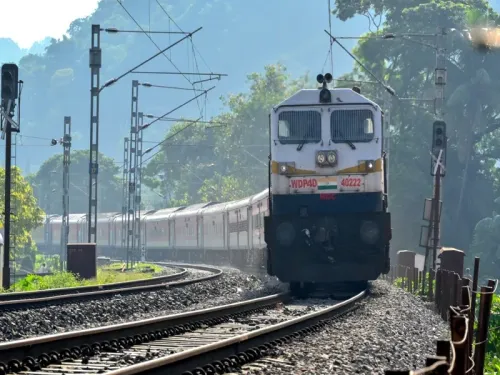
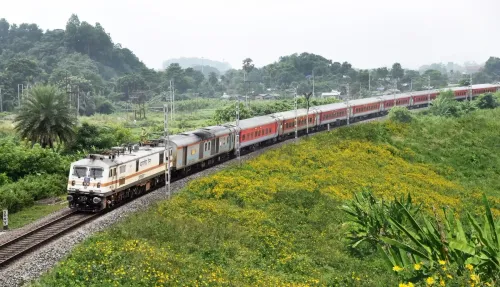
As per the CPRO, the new schedule will see the incorporation of 20 new train services that were launched in 2025, covering essential routes. This includes mail, express, and passenger trains connecting significant destinations like Guwahati, Sairang, Dibrugarh, Agartala, and North Lakhimpur in the Northeast, as well as Katihar and Jogbani in Bihar, Anand Vihar in Delhi, among other major locations nationwide. These additions are anticipated to provide more travel options, especially on long-distance and previously challenging routes.
Sharma noted that to further enhance convenience for travelers, the frequency of certain existing services has also been increased. For instance, trains between Silchar and Mahishashan, located along the Bangladesh border in Assam, which previously operated only twice a week, will now run six times a week, significantly benefiting daily commuters from the Barak Valley region by offering more flexible and dependable travel choices.
The revised timetable also formally includes special trains that operate during peak travel seasons. A total of 12 pairs of special trains running on vital long-distance routes have been added, ensuring better organization and preparedness to manage seasonal surges during festivals, holidays, and other high-demand periods.
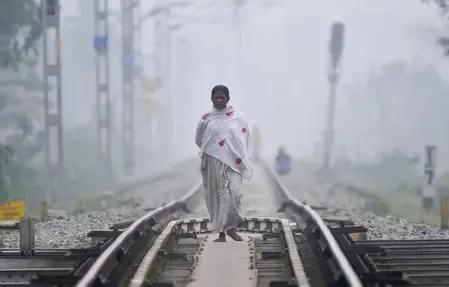
A standout feature of the new timetable is the addition of numerous new stops for current trains. More than 170 new stops have been established at stations across Assam, Tripura, West Bengal, Bihar, and nearby areas. Sharma emphasized that these new stops will bring railway services closer to residents in semi-urban and rural areas, enhancing accessibility and minimizing the necessity for long road trips to major stations.
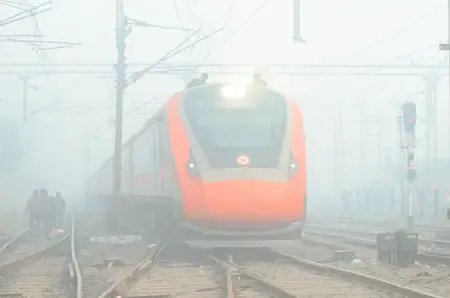
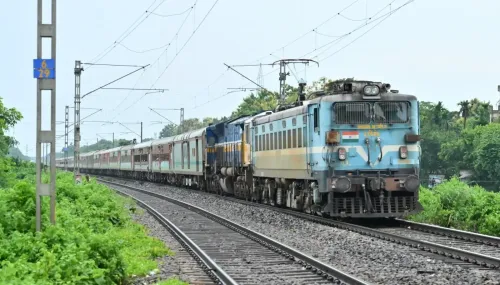
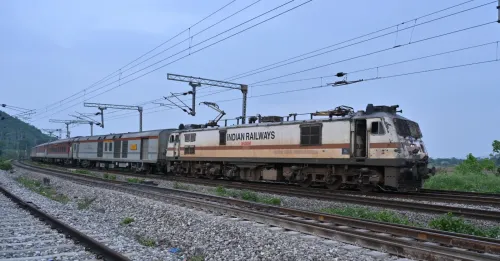
In a substantial move towards modernization and energy efficiency, the NFR has also initiated extensive adjustments of traction change-over points, allowing many trains to run under complete electric traction. Several key long-distance and premier trains, such as the Rajdhani Express and other mail and express services, are now under continuous electric traction. This initiative is expected to result in smoother operations, decreased reliance on diesel locomotives, reduced carbon emissions, and improved on-time performance.
The NFR CPRO mentioned that the collective impact of these initiatives—including the introduction and regularization of trains, increased frequencies, additional stops, expanded electric traction, and the addition of special services—will lead to enhanced connectivity, shorter travel times, improved operational efficiency, and greater passenger satisfaction.
These initiatives reinforce the Northeast Frontier Railway’s commitment to delivering safe, efficient, environmentally friendly, and passenger-focused rail services while supporting the socio-economic progress of the Northeastern region, Sharma concluded.
Point of View
The introduction of the new timetable by the Northeast Frontier Railway represents a strategic move towards enhancing connectivity and travel efficiency in the Northeastern region of India. This initiative is likely to provide significant socio-economic benefits, especially in rural areas, and reflects the ongoing commitment of Indian Railways to modernization and sustainability.
NationPress
13 Oct 2026
Frequently Asked Questions
What is the new timetable introduced by NFR?
The Northeast Frontier Railway has launched a new passenger-centric timetable effective from January 1, 2026, aimed at enhancing railway connectivity and operational efficiency in the Northeastern region, Bihar, and West Bengal.
How many new train services have been added?
A total of 20 new train services have been regularized as part of the new timetable, connecting important destinations across the region.
Will train frequencies be increased?
Yes, certain existing train services will see increased frequencies, including trains running six days a week between Silchar and Mahishashan.
What improvements are being made for rural connectivity?
More than 170 new stoppages have been added across various stations to improve accessibility for passengers in semi-urban and rural areas.
How is NFR working towards sustainability?
NFR is modernizing its operations by shifting to electric traction for many trains, reducing reliance on diesel and lowering carbon emissions.