NGT takes suo motu cognisance of India heatwave crisis, 13 states named

Synopsis
The NGT has stepped in where disaster preparedness frameworks have fallen short — treating India's heatwave crisis as an environmental law violation. With 48°C recorded in Banda and 13 states named as respondents, the tribunal is demanding both short-term and long-term adaptation plans. It is a rare judicial escalation of a slow-burn crisis that policymakers have long under-prioritised.
Key Takeaways
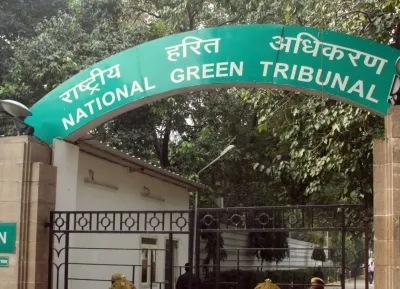
The National Green Tribunal (NGT) took suo motu cognisance of India's heatwave crisis on 29 May , acting on a news report titled '48 Degree Heat 360 Degree Plan' .
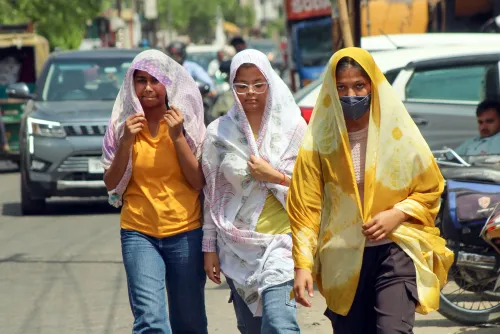
The India Meteorological Department recorded temperatures of 48 degrees Celsius in Banda, Uttar Pradesh ; north, west, central, and peninsular India remain under severe heat stress.
The bench of Justice Prakash Shrivastava and Dr Afroz Ahmad cited prima facie violation of the Environment (Protection) Act, 1986 .
13 state governments and 5 central bodies — including the Ministries of Environment, Earth Sciences, and Jal Shakti — have been named respondents.
All respondents must file affidavit replies before the next hearing, listed for 19 August .
The NGT highlighted that heatwaves disproportionately affect both urban areas (heat island effect) and rural communities (outdoor agricultural exposure, limited cooling infrastructure).
The National Green Tribunal (NGT) has taken suo motu cognisance of intensifying heatwave conditions across India, citing a news report that flagged rising temperatures, climate adaptation gaps, and the need for region-specific response strategies. A bench comprising Chairperson Justice Prakash Shrivastava and Expert Member Dr Afroz Ahmad observed that the report raises substantial environmental issues linked to climate change and anthropogenic activities.
What Triggered the NGT Action
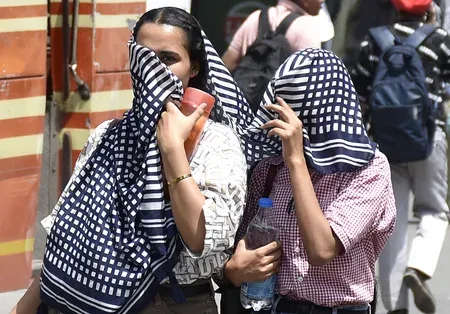
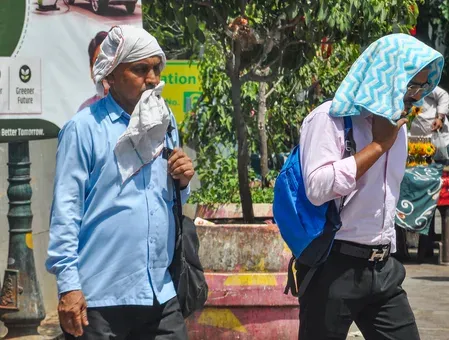
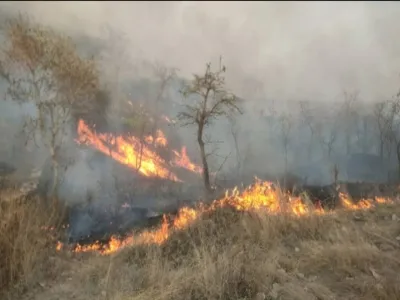
The bench acted on a news item titled '48 Degree Heat 360 Degree Plan', which documented the escalating heat stress gripping large parts of the country. The India Meteorological Department (IMD) had recorded temperatures touching 48 degrees Celsius in Banda district, Uttar Pradesh, while north, west, central, and peninsular India remained under severe heat stress. The NGT noted that the report prima facie indicates a violation of the Environment (Protection) Act, 1986.
Urban vs Rural Heat Stress: The NGT's Key Observations
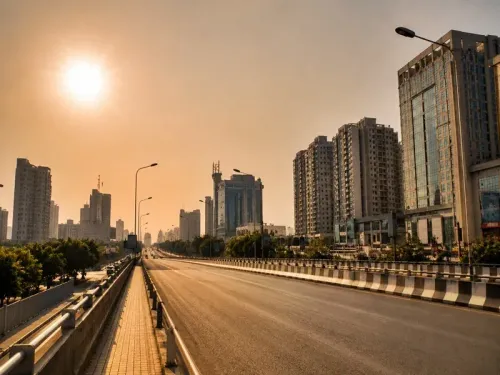
The tribunal recorded a critical distinction between how cities and villages experience heatwaves. Urban areas trap and retain heat due to dense concrete structures, limited vegetation, anthropogenic heat emissions, and high energy consumption — resulting in significantly warmer conditions, especially at night. Rural regions, by contrast, face prolonged heat exposure owing to outdoor agricultural work, inadequate cooling infrastructure, and limited institutional support, leading to severe thermal stress on communities.
Notably, the NGT observed that unlike floods, cyclones, or earthquakes, heatwaves often go unnoticed despite affecting vast geographical areas for extended periods — a systemic blind spot in disaster preparedness.
Respondents Named and Notices Issued
Taking cognisance, the tribunal impleaded the Union Ministry of Environment, Forest and Climate Change, the Department of Science and Technology, the Ministry of Earth Sciences, the Ministry of Jal Shakti, and the Central Pollution Control Board (CPCB) as respondents. Additionally, 13 state governments were named: Uttar Pradesh, Delhi, Rajasthan, Gujarat, Punjab, Himachal Pradesh, Jammu and Kashmir, Uttarakhand, Maharashtra, Madhya Pradesh, Bihar, Jharkhand, and Chhattisgarh.
All respondents have been directed to file replies by affidavit at least one week before the next hearing.
What the NGT Has Asked For
The tribunal stated: 'To have a short-term and long-term adaptation strategy to address the increasing temperature due to climatic conditions and anthropogenic activities during summer months, response from the States and their authorities is required.' The matter has been listed for further hearing on 19 August.
This intervention comes amid growing scientific consensus that South Asia is among the regions most vulnerable to extreme heat events, with public health, agricultural productivity, water availability, power systems, and livelihoods all under mounting pressure. The NGT's move signals a judicial push to fill the governance vacuum around heatwave preparedness that has persisted despite repeated warnings from meteorological agencies.
Point of View
When managed at all, as a weather event. By invoking the Environment (Protection) Act, the tribunal is attempting to create legal accountability where administrative circulars have failed. The inclusion of 13 states and five central ministries as respondents is a signal that the bench views this as a systemic failure, not a regional one. The real test will come on 19 August: whether the affidavits produce actionable adaptation plans or the familiar bureaucratic hedging that has allowed India's heat governance gap to widen for a decade.
NationPress
19 Sept 2026
Frequently Asked Questions
Why did the NGT take suo motu cognisance of the heatwave crisis?
The NGT acted on a news report titled '48 Degree Heat 360 Degree Plan' that highlighted intensifying heatwaves across India and the absence of region-specific climate adaptation strategies. The bench found the report raised prima facie violations of the Environment (Protection) Act, 1986.
Which states have been named as respondents by the NGT?
Thirteen states have been impleaded: Uttar Pradesh, Delhi, Rajasthan, Gujarat, Punjab, Himachal Pradesh, Jammu and Kashmir, Uttarakhand, Maharashtra, Madhya Pradesh, Bihar, Jharkhand, and Chhattisgarh. Five central bodies, including the Ministry of Environment, Forest and Climate Change and the Central Pollution Control Board, have also been named.
What temperatures have been recorded during the current heatwave?
The India Meteorological Department recorded temperatures touching 48 degrees Celsius in Banda district, Uttar Pradesh. Large parts of north, west, central, and peninsular India have remained under severe heat stress.
What has the NGT directed respondents to do?
The NGT has directed all respondents to file replies by affidavit at least one week before the next hearing, which is scheduled for 19 August. The tribunal has specifically asked for both short-term and long-term adaptation strategies to address rising summer temperatures.
How does the NGT distinguish between urban and rural heatwave impact?
The tribunal noted that cities experience intensified heat due to dense concrete structures, limited vegetation, and high energy consumption — the urban heat island effect — while rural areas face prolonged exposure from outdoor agricultural work and inadequate cooling infrastructure. The NGT has called for separate adaptation strategies for each context.