NHRC flags UNICEF-Meta financial ties amid CSAM accountability concerns
Synopsis
India's National Human Rights Commission has escalated concerns about UNICEF's reported financial partnership with Meta to multiple Union ministries, warning that the association could lend institutional legitimacy to a platform under active law-enforcement scrutiny for monetising child sexual abuse material — a sharp challenge to the credibility of global child-protection architecture.
Key Takeaways
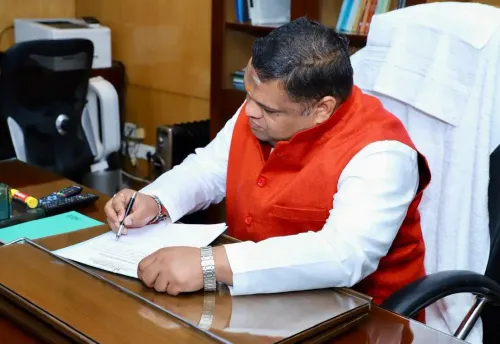
NHRC member Priyank Kanoongo forwarded a representation on 12 November 2026 to the Union Ministry of Women and Child Development over UNICEF's reported financial ties with Meta Platforms Inc.
The representation, submitted by the Legal Rights Observatory , cited Meta's presence as a corporate partner in UNICEF's annual reports for 2024 and 2025 .
Concerns centre on allegations that CSAM is being monetised on Meta-owned platforms, with law-enforcement agencies reportedly examining the matter.
The NHRC warned that financial ties between Meta and UNICEF could undermine independent child-protection initiatives and lend unwarranted institutional legitimacy to the platform.
The communication was also forwarded to the Ministries of Home Affairs , Electronics and IT , External Affairs , and the Indian Cyber Crime Coordination Centre (I4C) .
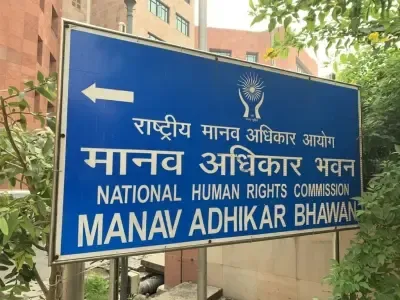
The National Human Rights Commission (NHRC) has forwarded to the Union Ministry of Women and Child Development a representation raising serious concerns over the reported financial association between UNICEF and Meta Platforms Inc., warning that such engagements could undermine independent child-protection efforts and complicate ongoing accountability measures against the social media giant in matters involving Child Sexual Abuse Material (CSAM).
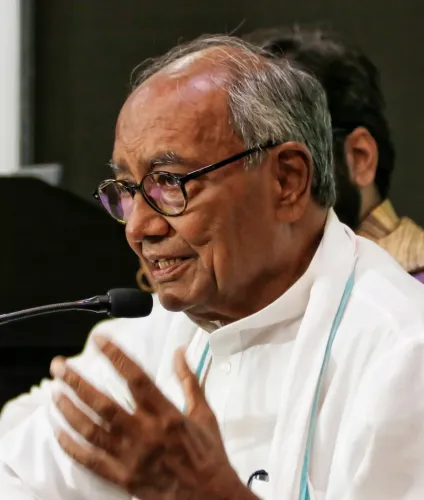
The communication was issued on Thursday, 12 November 2026, with NHRC member Priyank Kanoongo forwarding a representation received from the Legal Rights Observatory to Women and Child Development Secretary Anil Malik for information and appropriate consideration.
What the Representation Alleges
The representation, submitted by Legal Rights Observatory Convener Vinay Joshi, flagged concerns over UNICEF's reported financial association with Meta, as reflected in the organisation's annual reports for 2024 and 2025, and its collaborative engagements with child-rights institutions on digital safety issues. It noted that Meta figures among UNICEF's corporate-sector partners contributing substantial amounts towards its programmes.
The representation expressed apprehension that such financial support could be utilised, directly or indirectly, for advocacy and institutional outreach that may project Meta as a responsible stakeholder in child protection — even as serious allegations and enforcement actions concerning its platforms remain active. The Legal Rights Observatory urged authorities to scrutinise the nature of the UNICEF-Meta financial association, the contributions reflected in annual reports, and the purpose and manner of utilisation of those funds.
NHRC Member's Key Concerns
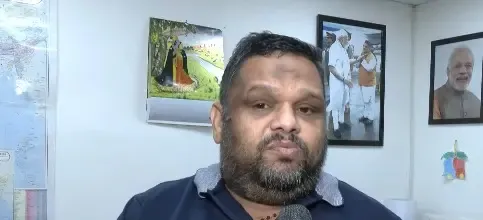
Kanoongo described the matter as being of 'serious concern', particularly in view of recent reports highlighting instances of paid CSAM-related activities and the circulation of objectionable content through Meta-owned platforms, which are reportedly under examination and investigation by various law-enforcement agencies.
'Of particular concern are allegations that content involving the sexual abuse and exploitation of children is being monetised, thereby generating revenue from material depicting the abuse of children,' Kanoongo said.
He further noted that the reported substantial financial contributions by Meta to UNICEF and similar organisations raised serious apprehensions regarding the purpose and utilisation of such funds, particularly towards advocacy and institutional engagements. 'Such financial associations warrant careful examination, as they may potentially lend institutional legitimacy to a platform facing serious allegations and undermine the larger child-protection agenda,' he added.
Ministries and Agencies Notified
Kanoongo has forwarded the communication for information and necessary consideration to the Secretaries of the Ministries of Home Affairs, Electronics and Information Technology, and External Affairs, as well as the Chief Executive Officer of the Indian Cyber Crime Coordination Centre (I4C). The Union Women and Child Development Ministry has been specifically requested to examine the matter and take appropriate action as deemed necessary in the interest of child protection.
Broader Context
This comes amid a wider global reckoning over Big Tech's role in enabling or failing to prevent the spread of CSAM. Meta has faced scrutiny from regulators and law-enforcement agencies across multiple jurisdictions over content moderation on platforms including Facebook and Instagram. Notably, the NHRC's decision to route the representation to multiple ministries simultaneously signals that the concerns are being treated as cutting across the mandates of child welfare, cybercrime, technology regulation, and foreign affairs.
The ministry's response — and whether India's regulatory and enforcement apparatus moves to formally examine the UNICEF-Meta financial relationship — will be closely watched by child-rights advocates and digital-safety researchers.
Point of View
However well-intentioned in framing, create a structural tension that is difficult to dismiss — an institution that takes money from a platform it is supposed to hold accountable cannot credibly claim neutrality. India routing this concern through four ministries and I4C simultaneously suggests the government is positioning for a broader regulatory or diplomatic intervention. The real question is whether this escalates into formal scrutiny of UNICEF's India operations or remains a strongly worded referral.
NationPress
12 Nov 2026
Frequently Asked Questions
What has the NHRC flagged about UNICEF and Meta?
The NHRC has forwarded a representation to the Union Ministry of Women and Child Development raising concerns that UNICEF's reported financial association with Meta Platforms Inc. — as reflected in its annual reports for 2024 and 2025 — could undermine independent child-protection efforts and lend legitimacy to a platform under active scrutiny for CSAM. NHRC member Priyank Kanoongo described the matter as being of 'serious concern'.
Who filed the original representation with the NHRC?
The representation was submitted to the NHRC by the Legal Rights Observatory, through its Convener Vinay Joshi. It called on authorities to scrutinise the nature of the UNICEF-Meta financial ties, the contributions listed in annual reports, and how those funds are being utilised.
What are the specific CSAM concerns raised against Meta?
The representation alleged that content involving the sexual abuse and exploitation of children is being monetised on Meta-owned platforms, generating revenue from abuse material. NHRC member Kanoongo noted that these platforms are reportedly under examination and investigation by various law-enforcement agencies.
Which government bodies have been notified of the NHRC's concerns?
NHRC member Kanoongo forwarded the communication to the Secretaries of the Ministries of Women and Child Development, Home Affairs, Electronics and Information Technology, and External Affairs, as well as the Chief Executive Officer of the Indian Cyber Crime Coordination Centre (I4C).
Why does the UNICEF-Meta financial association raise red flags for child protection?
Critics argue that accepting substantial corporate funding from Meta — a platform facing serious CSAM-related allegations — could compromise UNICEF's independence and institutional impartiality. The representation warned that such ties may allow Meta to project itself as a responsible child-welfare stakeholder despite active enforcement proceedings, potentially softening regulatory and advocacy pressure against the company.