NHRC seeks Jharkhand report on POCSO probe, journalist arrest
Synopsis
A POCSO case involving a 14-year-old tribal girl in Jharkhand has turned into a press freedom question. The NHRC wants answers within two weeks on a reported raid on a news office, seized equipment, a journalist's arrest and a change in the minor's statement.
Key Takeaways
The NHRC has sought an Action Taken Report from the Jharkhand Chief Secretary and DGP within two weeks .
The case concerns a POCSO investigation involving a 14-year-old tribal girl , reportedly against a public representative.
The complaint alleges a raid on a local news office, seizure of journalistic equipment and the arrest of a journalist .
The bench, presided over by Member Priyank Kanoongo , said the allegations prima facie indicate human rights violations of the victim.
A copy of the proceedings was sent to the Women Safety Division of the Ministry of Home Affairs .
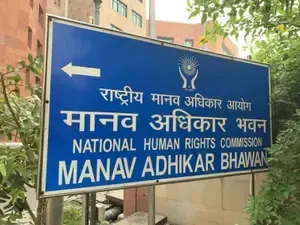
The National Human Rights Commission (NHRC) has issued notices to the Jharkhand Chief Secretary and Director General of Police (DGP), seeking an Action Taken Report (ATR) within two weeks. The notices concern allegations about the investigation into a POCSO case involving a 14-year-old tribal girl, and the later arrest of a journalist who had reported on the matter. The commission announced the move in New Delhi on 27 November 2026, stating that the allegations prima facie appeared to involve violations of the victim's human rights.
Key Developments
The NHRC took cognisance of a complaint filed under Section 12 of the Protection of Human Rights Act, 1993. The bench, presided over by Member Priyank Kanoongo, directed the commission's registry to issue notices to the two senior state officials.
The officials must have the allegations in the complaint inquired into and submit the ATR within two weeks for the commission's perusal. They have also been asked to send a copy of the report to the commission's designated email address.
The NHRC has forwarded a copy of its proceedings to the Joint Secretary, Women Safety Division, Ministry of Home Affairs, for information.
What the Complaint Alleges
The complaint raised concerns about how police handled the reported case under the Protection of Children from Sexual Offences (POCSO) Act, which was registered against a public representative. It also flagged events that reportedly followed.
These include an alleged raid on the office of a local news organisation, the seizure of journalistic equipment and the arrest of a journalist over allegations relating to the minor.
The complainant sought an independent and impartial inquiry into the reported raid and arrest. The complaint also asked for:
- preservation of evidence
- scrutiny of the circumstances surrounding changes in the minor's statement
- a review of the legality of the police action
- an examination of possible press freedom concerns
- measures to ensure the safety and protection of the victim
Notably, the complainant clarified that the allegations were based on media reports. The complaint sought transparency, accountability and due process for all concerned.
Why the Case Matters
The case involves two sensitive issues at once. The first is the protection of a minor tribal girl in a sexual offence case. The second is the treatment of a journalist who reported on that case.
The complaint specifically raises the change in the minor's statement and the police action against a news outlet. This places the conduct of the state machinery, not just the original allegation, under scrutiny.
This comes amid wider national debate over how police handle cases involving influential accused persons. It also reflects concerns about the protection available to local reporters covering such cases.
What Happens Next
The Jharkhand government and state police now have two weeks to file their ATR with the commission. The NHRC will examine the report before deciding on further steps.
The state's response is likely to be closely watched by rights groups and press bodies. It will also matter to the family of the victim, whose safety the complaint has specifically flagged.
Point of View
Not any single allegation. A POCSO case against a public representative, a change in the minor's statement, and then police action against the outlet that reported it form a pattern that demands scrutiny. If the allegations hold, the state machinery may have protected the accused rather than the child. A two-week ATR is a start, but self-reporting by the same police leadership whose conduct is in question is a weak check, and an independent probe is the only credible answer.
NationPress
27 Nov 2026
Frequently Asked Questions
Why has the NHRC issued notice to Jharkhand officials?
The NHRC acted on a complaint about the investigation into a POCSO case involving a 14-year-old tribal girl and the later arrest of a journalist who reported on it. The commission said the allegations prima facie indicate violations of the victim's human rights.
What is the deadline for the Jharkhand government's report?
The Jharkhand Chief Secretary and DGP must submit an Action Taken Report within two weeks. They must also send a copy to the NHRC's designated email address.
What does the complaint allege about the journalist?
It alleges a raid on a local news organisation's office, seizure of journalistic equipment and the arrest of a journalist over allegations relating to the minor. The complainant has sought an independent inquiry into these actions and possible press freedom concerns.
Who is the accused in the Jharkhand POCSO case?
The complaint describes the reported POCSO case as being against a public representative. The person has not been publicly named in the NHRC proceedings.
Under which law did the NHRC take cognisance?
The NHRC took cognisance under Section 12 of the Protection of Human Rights Act, 1993. The complainant clarified that the allegations were based on media reports.