NIA Files Additional Charges Against Six Maoists in CRPF Camp Attack Case
Synopsis
In a significant development, the NIA has charged six individuals, including three absconders, in connection with the January 2024 Maoist attack on CRPF camps in Bijapur, Chhattisgarh. This move underscores the gravity of the situation and the agency's commitment to tackling left-wing extremism.
Key Takeaways
NIA's Chargesheet: Six individuals charged, including three absconders.
Maoist Assault: Targeted CRPF camps using heavy weaponry.
Legal Charges: Under multiple stringent laws.
Ongoing Investigation: Focus on dismantling Maoist operations.
National Security Challenge: Highlights left-wing extremism's threat.
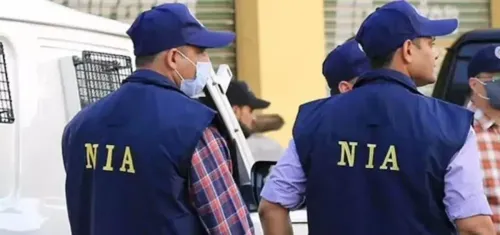
New Delhi, March 20 (NationPress) The National Investigation Agency (NIA) has submitted an additional chargesheet against six suspects, including three who are currently on the run, in relation to the January 2024 attack by Maoists on Central Reserve Police Force (CRPF) camps located in Chhattisgarh’s Bijapur district.
This action further reinforces the ongoing inquiry into one of the most brazen assaults executed by members of the prohibited CPI (Maoist) group.
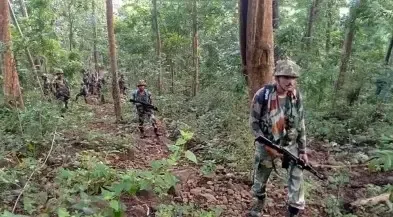
The meticulously coordinated attack utilized substantial firepower, targeting the newly inaugurated Dharmavaram camp alongside two neighboring facilities at Chintawagu and Pamed.
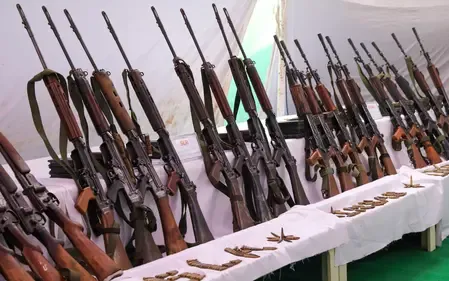
Maoist operatives, equipped with automatic firearms and locally produced Barrel Grenade Launchers (BGLs), inflicted injuries on a dozen CRPF personnel.
They also made an attempt to seize weapons, ammunition, and personal items from the security forces, emphasizing the organization’s goal of augmenting its weaponry through violent incursions.
The chargesheet identifies three apprehended suspects: Awalam Bhima, Madkam Nanda, and Madkam Deva, also known as Ratan.
The absconders include a member of the CPI (Maoist) Special Zonal Committee, indicating that senior leadership was involved in planning the attack.
All six individuals have been charged under stringent provisions of the Unlawful Activities (Prevention) Act, the Indian Penal Code, the Arms Act, and the Explosive Substances Act.
With this supplementary filing, the total number of individuals implicated in the case has escalated to 23, following the earlier indictment of 17 Maoists in June 2025.
Investigators disclosed that the group had crafted dummy models of the target camps to train its members, undertaking surveillance missions prior to the actual assault. These actions formed part of a larger conspiracy aimed at waging war against the Government of India.
The NIA officially took over the investigation on February 9, 2024, and continues to examine the roles of 21 named individuals as well as approximately 250-300 unidentified armed militants.
Officials highlight that this investigation is integral to a broader strategy to dismantle the Maoist network, disrupt its supply chains, and diminish its operational capabilities within the region.
The case presents a significant challenge for India’s counter-insurgency efforts, illustrating the ongoing threat posed by left-wing extremism.
Point of View
The filing of a supplementary chargesheet against six Maoists highlights the complexity and seriousness of the ongoing conflict in Chhattisgarh. The involvement of senior leaders in orchestrating such attacks poses a significant challenge for national security.
NationPress
17 Sept 2026
Frequently Asked Questions
What was the nature of the attack on CRPF camps?
The attack involved a coordinated assault by Maoist fighters armed with automatic weapons and grenade launchers, targeting the newly established Dharmavaram camp and adjacent facilities.
How many individuals have been charged in this case?
A total of 23 individuals have been charged, including six recently added in the supplementary chargesheet.
What laws are the accused charged under?
The accused are charged under the Unlawful Activities (Prevention) Act, the Indian Penal Code, the Arms Act, and the Explosive Substances Act.
What role did the NIA play in this investigation?
The NIA formally took over the case on February 9, 2024, and continues to investigate the roles of named and unidentified suspects.
What is the significance of this case?
This case is critical for India's counter-insurgency operations and reflects the ongoing challenge posed by left-wing extremism in the region.