NIA raids 20 locations in pan-India ISIS, AQIS radicalisation probe
Synopsis
The NIA has struck at an alleged pan-India online radicalisation network in one of its most geographically sweeping operations this year — 20 locations, 10 jurisdictions, and a conspiracy allegedly stretching to foreign handlers. With 11 arrests already made and fresh digital evidence now in hand, the investigation into the ISIS and AQIS-inspired plot to establish a caliphate in India is entering a critical new phase.
Key Takeaways
The NIA searched 20 locations across 9 states and Delhi on 8 July 2026 in an ISIS and AQIS-linked radicalisation case.
The agency has arrested 11 accused persons and one juvenile so far under case RC-01/2026/NIA/VSKP .
The case was first registered by Vijayawada Police in March 2026 ; the NIA took over in May 2026 .
Key accused Rehmatullah Sharif Mohammad was identified during the original Vijayawada search.
Investigators allege the network used online platforms to radicalise vulnerable youth and had contact with foreign-based handlers .
Seized digital devices are now undergoing forensic analysis; further arrests are possible.
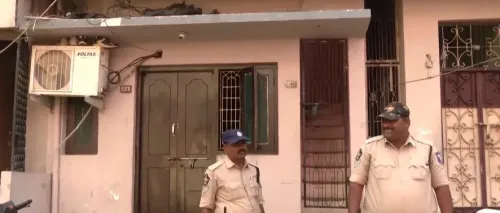
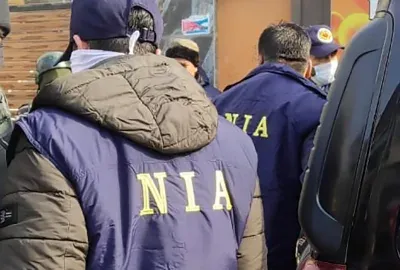
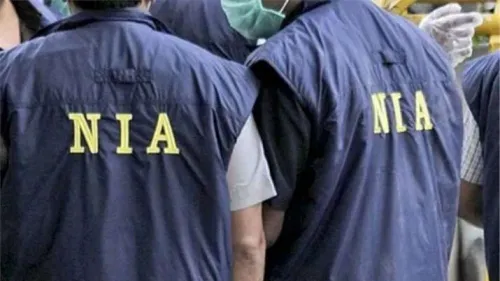
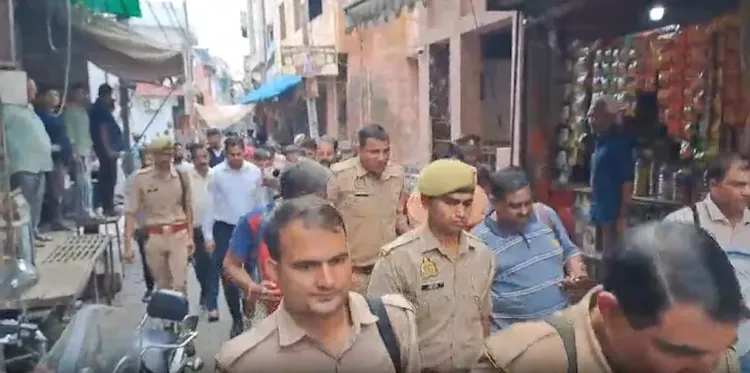
The National Investigation Agency (NIA) on Wednesday, 8 July conducted simultaneous searches at 20 locations across 10 states and Union Territories in connection with an alleged online terror radicalisation conspiracy linked to the ideologies of ISIS and Al-Qaeda in the Indian Subcontinent (AQIS). The operation targeted a suspected network accused of plotting to establish an Islamic caliphate in India through violent jihad and anti-national activities.
Scope of the Raids
NIA teams carried out coordinated searches across Andhra Pradesh, Telangana, Karnataka, Maharashtra, Uttar Pradesh, West Bengal, Bihar, Rajasthan, Gujarat, and the Union Territory of Delhi. The searches were conducted under case reference RC-01/2026/NIA/VSKP, the agency confirmed in an official statement.
Investigators seized multiple digital devices and electronic data storage systems during the operation. These will undergo detailed forensic examination to uncover further evidence related to the alleged radicalisation network.
Background and Arrests So Far
The case was originally registered by the Vijayawada Police in March 2026 following a search at the residence of the key accused, Rehmatullah Sharif Mohammad. Authorities reportedly recovered material linked to the banned organisations AQIS and ISIS during that initial operation. The NIA took over the investigation from Vijayawada Police in May 2026 after early findings pointed to a wider conspiracy with possible interstate and international dimensions.
The agency has so far arrested 11 accused persons and one juvenile in the case. Wednesday's searches were conducted after extensive technical and forensic analysis of devices seized in earlier raids, supplemented by connectivity analysis of arrested accused and additional intelligence inputs.
What Investigators Have Found
According to the NIA, the arrested accused and their associates were allegedly involved in indoctrinating vulnerable youth across different parts of the country by disseminating extremist propaganda, violent jihadi content, and misinformation through online platforms. The probe has further revealed that several accused were allegedly in contact with foreign-based handlers and were engaged in promoting extremist ideology and advancing what the agency describes as an 'anti-India agenda'.
Notably, the alleged conspiracy was aimed at destabilising the country and establishing a so-called 'Caliphate' through violent means — a pattern investigators say points to a structured, cross-border radicalisation operation rather than isolated local activity.
What Comes Next
The NIA has stated that efforts are continuing to identify other individuals connected to the conspiracy. Forensic analysis of the newly seized digital devices is expected to yield further leads. This is among the most geographically expansive counter-radicalisation operations the agency has conducted in recent months, and additional arrests cannot be ruled out as the investigation progresses.
Point of View
Making device forensics the real battlefield. The NIA's ability to convert seized data into actionable leads will determine whether this case ends with a handful of convictions or dismantles the broader network.
NationPress
7 Oct 2026
Frequently Asked Questions
What is the NIA's pan-India ISIS and AQIS radicalisation case about?
It involves an alleged conspiracy to establish an Islamic caliphate in India through violent jihad, inspired by the ideologies of ISIS and AQIS. The NIA is investigating a network accused of radicalising vulnerable youth online and maintaining contact with foreign-based handlers.
How many locations were searched and which states were covered?
The NIA searched 20 locations across Andhra Pradesh, Telangana, Karnataka, Maharashtra, Uttar Pradesh, West Bengal, Bihar, Rajasthan, Gujarat, and the Union Territory of Delhi on 8 July 2026.
Who is the key accused in this case?
The key accused identified so far is Rehmatullah Sharif Mohammad, whose residence in Vijayawada was first searched by local police in March 2026, leading to the recovery of material linked to AQIS and ISIS.
How many people have been arrested in the case?
The NIA has arrested 11 accused persons and one juvenile so far. The agency has indicated that further arrests are possible as forensic analysis of newly seized digital devices continues.
Why did the NIA take over the case from Vijayawada Police?
The NIA assumed charge in May 2026 after initial findings by Vijayawada Police pointed to a wider terror-linked conspiracy with potential interstate and international connections, beyond the jurisdictional scope of a state police force.