NIA raids Abdul Nazeer's Ballari home in multi-state UAPA terror probe
Synopsis
The NIA's simultaneous raids across eight states on 8 July — including at the Ballari home of UAPA accused Abdul Nazeer — reveal the continuing reach of a terror probe that already produced chargesheets against an ISIS-inspired sleeper-cell network in Karnataka. The Ballari district has now emerged as a recurring focal point in India's domestic counter-terror investigations.
Key Takeaways
The NIA searched Abdul Nazeer's residence in Kaul Bazar, Ballari, Karnataka on 8 July under a UAPA terror conspiracy case.
Investigators questioned Nazeer's family members and examined their mobile phones during the raid.
Abdul Nazeer was arrested by Vijayawada Police on 26 March for allegedly propagating extremist ideology and encouraging youths to join terrorist organisations.
The coordinated operation covered 8 states : Karnataka, Delhi, Telangana, Uttar Pradesh, Maharashtra, Bihar, Rajasthan, and West Bengal.
In June 2023 , the NIA had chargesheeted 7 persons for an ISIS-inspired sleeper-cell module in Ballari, arrested in December 2022 .
The NIA chargesheet alleged a conspiracy to establish 50 sleeper cells in every district of India by 2025 .
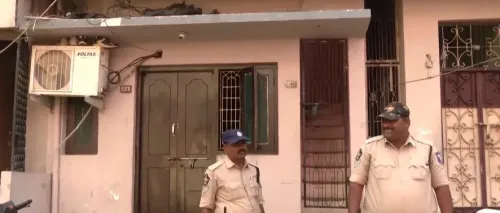
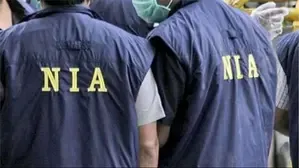
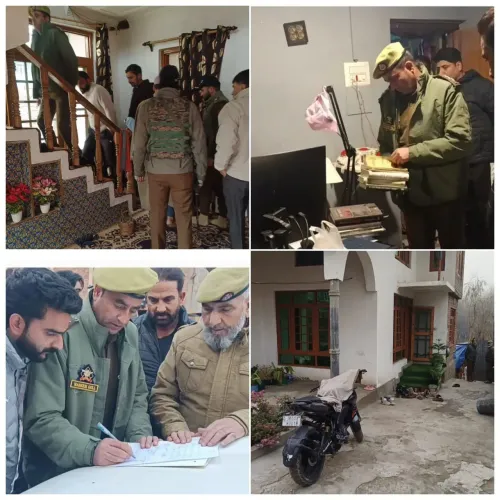
The National Investigation Agency (NIA) on Wednesday, 8 July conducted searches at the residence of Abdul Nazeer in the Kaul Bazar area of Ballari, Karnataka, as part of a coordinated multi-state operation targeting an alleged terror conspiracy registered under the Unlawful Activities (Prevention) Act (UAPA). The operation spanned eight states, making it one of the agency's broader simultaneous crackdowns in recent months.
What Investigators Found and Did
NIA officials questioned Abdul Nazeer's parents and other family members about his associates and social circle during the Ballari search. Investigators also examined the mobile phones of family members as part of the operation. No arrests were reported from the Ballari premises during the raid.
Background: Who Is Abdul Nazeer
According to officials, Abdul Nazeer was previously booked under the UAPA in a case registered in Hyderabad. He was subsequently arrested by the Vijayawada Police on 26 March on allegations that he propagated extremist ideology through social media and allegedly encouraged youths to join terrorist organisations. Investigators have further alleged that he formed and operated an extremist group and was part of a conspiracy to carry out subversive activities in Chennai and Visakhapatnam. He is also suspected of links with terrorist organisations. Following his arrest, he was taken to Vijayawada for further investigation.
Scope of the Multi-State Operation
The coordinated raids were simultaneously conducted across Karnataka, Delhi, Telangana, Uttar Pradesh, Maharashtra, Bihar, Rajasthan, and West Bengal. The NIA described the operation as part of its ongoing investigation into a suspected extremist network and alleged terror conspiracy. Further investigation is underway, officials said.
The Ballari ISIS Module: Prior Context
This is not the first time Ballari has featured in NIA's counter-terror operations. In June 2023, the agency filed a chargesheet against seven persons who allegedly created an Islamic State (ISIS)-inspired terror module in Ballari — individuals arrested by the NIA in December 2022. Those accused were charged under the UAPA, 1967, the Arms Act, 1959, and the Explosive Substances Act, 1908, alongside relevant sections of the Indian Penal Code.
According to the NIA's chargesheet, the accused were involved in the recruitment and radicalisation of vulnerable youth as 'mujahideen' to function as terrorist sleeper cells. 'The accused were part of a bigger ISIS conspiracy to prepare 50 such sleeper cells in each district of India by 2025. The accused were also involved in the fabrication of explosives for furtherance of the ISIS goal to establish the Caliphate system in India by waging jihad against the Government of India,' the NIA stated in the chargesheet.
What Comes Next
With the multi-state raids now concluded, the NIA is expected to analyse seized digital evidence and question additional individuals linked to the alleged network. The Ballari operation adds another layer to a probe that has already produced chargesheets and arrests, signalling that investigators believe the extremist network extends well beyond those already in custody.
Point of View
A 2023 chargesheet alleging an ISIS sleeper-cell network, and now fresh multi-state raids linked to a connected accused. What mainstream coverage underplays is the geographic spread of Wednesday's operation — eight states simultaneously — which suggests investigators believe the alleged network is far wider than the Ballari module alone. The NIA's focus on social-media-driven radicalisation in the Abdul Nazeer case also points to a shift in the threat profile: from physical logistics to digital recruitment, a harder problem to prosecute under existing UAPA frameworks.
NationPress
7 Oct 2026
Frequently Asked Questions
Why did the NIA raid Abdul Nazeer's residence in Ballari?
The NIA searched Abdul Nazeer's home in Ballari's Kaul Bazar area on 8 July as part of a multi-state operation into an alleged terror conspiracy registered under the UAPA. Investigators questioned his family and examined their mobile phones to gather intelligence on his associates.
Who is Abdul Nazeer and why was he arrested?
Abdul Nazeer is a UAPA accused who was previously booked in a case registered in Hyderabad. He was arrested by Vijayawada Police on 26 March on allegations of propagating extremist ideology through social media and encouraging youths to join terrorist organisations. Investigators also allege he formed an extremist group and conspired to carry out subversive activities in Chennai and Visakhapatnam.
Which states were covered in the NIA's multi-state raids?
The NIA conducted simultaneous searches across eight states: Karnataka, Delhi, Telangana, Uttar Pradesh, Maharashtra, Bihar, Rajasthan, and West Bengal. The coordinated operation targeted an alleged extremist network under investigation.
What is the connection between the Ballari ISIS module and the current NIA probe?
In June 2023, the NIA chargesheeted seven persons for allegedly creating an ISIS-inspired terror module in Ballari, following their arrest in December 2022. Those accused were charged with recruiting and radicalising youth as sleeper cells, with the alleged goal of establishing 50 such cells in every district of India by 2025. The current raids appear to be part of the same broader investigation into this network.
What charges have been applied in the Ballari terror cases?
Accused in the Ballari-linked cases have been charged under the Unlawful Activities (Prevention) Act, 1967, the Arms Act, 1959, and the Explosive Substances Act, 1908, along with relevant sections of the Indian Penal Code. The charges include recruitment, radicalisation, and alleged fabrication of explosives.