NIA takes over Nagaland IED blast probe that killed Assam Rifles Havildar
Synopsis
The NIA has taken over the Nagaland IED blast case that killed Assam Rifles Havildar Mohammad Iqbal on 13 July — a move the Centre justified on national security grounds. Coming just eight days after a deadly Manipur ambush also targeted Assam Rifles personnel, the probe escalation signals that authorities see a broader pattern of organised violence against Central forces in the Northeast.
Key Takeaways
The MHA handed the 13 July Nagaland IED blast probe to the NIA via a letter dated 27 July , citing national security implications.
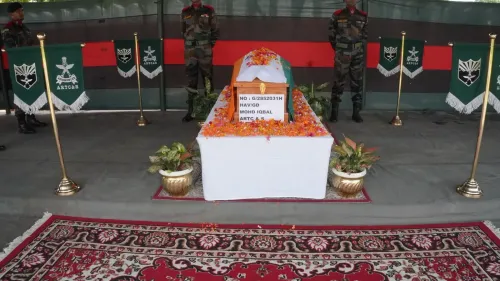
Havildar Mohammad Iqbal of the 28 Assam Rifles Battalion , from Poonch, Jammu and Kashmir , was killed in the blast; four personnel were critically injured.
The IED struck an Assam Rifles convoy near Sukhovi, Chumoukedima district , close to the Assam Rifles Training Centre .
Nagaland Police had announced a ₹50,000 cash reward on 17 July for information leading to the arrest of those responsible.
The NSCN-IM condemned the blast as a 'cowardly terrorist act' and denied involvement.
The attack followed a 6 July ambush in Manipur's Ukhrul district that killed two other Assam Rifles personnel — Warrant Officer Balwant Singh and Havildar Chandra Mohan Singh .
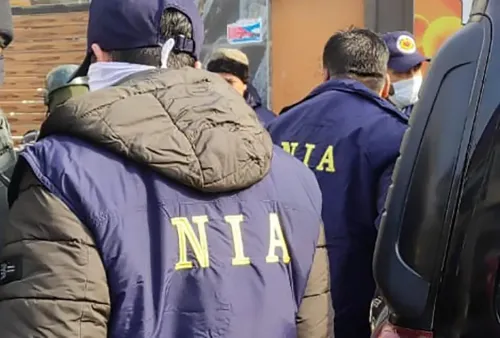
The National Investigation Agency (NIA) has taken over the investigation into the 13 July IED blast in Chumoukedima, Nagaland, which killed an Assam Rifles Havildar and critically injured four other personnel. The Ministry of Home Affairs (MHA), in a letter dated 27 July, directed the NIA to assume control of the case, citing the gravity of the offence and its national security implications, officials confirmed on Tuesday.
How the Transfer Was Ordered
According to an official statement by Nagaland Director General of Police Rupin Sharma, the Centre determined that a scheduled offence under the National Investigation Agency Act, 2008 had been committed. Invoking Section 6(5) read with Section 8 of the Act, the MHA directed the NIA to take over from the Nagaland Police, which had registered the case at Chümoukedima Police Station. The Nagaland government and state police will coordinate with the NIA during the handover process as required by law.
What Happened on 13 July
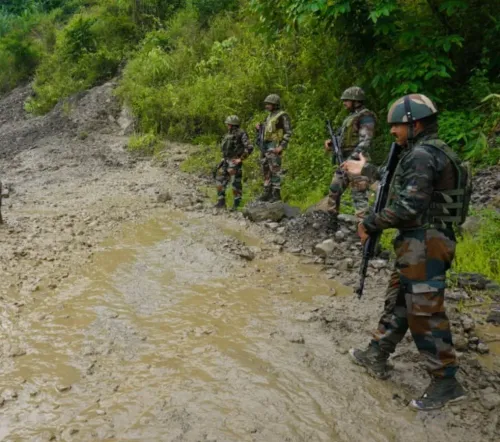
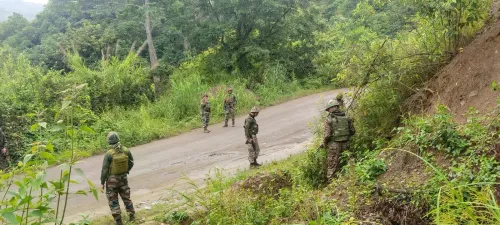
A powerful Improvised Explosive Device (IED) detonated near Sukhovi in Chumoukedima district on 13 July, striking a vehicle in an Assam Rifles convoy travelling near the Assam Rifles Training Centre. Havildar Mohammad Iqbal of the 28 Assam Rifles Battalion, a native of Poonch district in Jammu and Kashmir, was killed in the attack. Four other Assam Rifles personnel sustained serious injuries. A civilian was also struck on the leg by flying debris, and an auto-rickshaw parked nearby was extensively damaged.
Reward Announced, Investigation Intensified
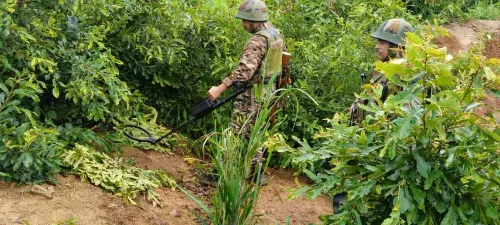
Four days after the blast, on 17 July, the Nagaland Police announced a cash reward of ₹50,000 for credible information leading to the identification and arrest of those responsible. Commissioner of Police Aotula T. Imchen said the Dimapur Police Commissionerate had launched an intensive investigation into what authorities described as a 'heinous terrorist act.' The reward covers information on perpetrators, financiers, those who harboured or transported suspects, recovery of explosives or weapons, and discovery of any hideout or logistical support network linked to the offenders.
NSCN-IM Condemns the Attack, Distances Itself
The National Socialist Council of Nagalim-Isak-Muivah (NSCN-IM), the dominant Naga insurgent group, strongly condemned the IED blast, calling it a 'cowardly terrorist act' aimed at disrupting peace in the region. The group stated that the use of IEDs and anti-personnel mines could not be justified, warning that such attacks endanger civilian lives and undermine the peace process. The NSCN-IM said it would seek to establish the facts behind the incident and identify those responsible.
A Pattern of Violence in the Northeast
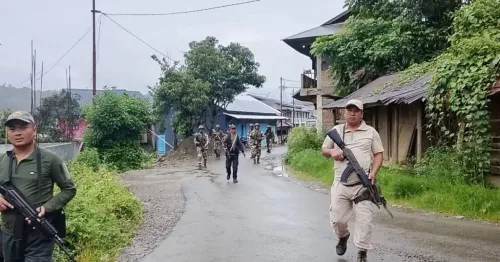
The 13 July Nagaland blast came just eight days after a separate deadly ambush in neighbouring Manipur. On 6 July, suspected Naga armed militants ambushed an Assam Rifles vehicle at Nungshang Kong along the Imphal-Dimapur National Highway (NH-2) in Ukhrul district, killing Warrant Officer Balwant Singh and Havildar Chandra Mohan Singh. Massive joint operations by Central and Manipur security forces are continuing to trace those responsible. The NSCN-IM denied involvement in the Manipur ambush as well, reaffirming its commitment to the ceasefire agreement and the ongoing Indo-Naga peace process. The two incidents together mark a sharp escalation in violence against Assam Rifles personnel in the region within a fortnight.
With the NIA now at the helm, the probe is expected to take on a wider national-security lens — tracking the origin of the IED, its supply chain, and any cross-border linkages.
Point of View
One in Manipur — suggest a coordinated campaign rather than isolated incidents, yet no group has claimed responsibility for either. The NSCN-IM's swift denials, while consistent with its ceasefire posture, leave the identity of the perpetrators conspicuously open. The NIA's mandate will hinge on tracing the IED's supply chain; if that trail crosses borders, the diplomatic and security calculus for the Northeast changes considerably. Mainstream coverage has focused on the fatalities — the harder question is who benefits from destabilising the Indo-Naga peace process at this precise moment.
NationPress
27 Oct 2026
Frequently Asked Questions
Why has the NIA taken over the Nagaland IED blast investigation?
The Ministry of Home Affairs directed the NIA to take over the case on 27 July, invoking Section 6(5) read with Section 8 of the National Investigation Agency Act, 2008, citing the gravity of the offence and its national security implications. The blast, which killed an Assam Rifles Havildar and critically injured four others, was classified as a scheduled offence under the NIA Act.
Who was killed in the 13 July Nagaland IED blast?
Havildar Mohammad Iqbal of the 28 Assam Rifles Battalion was killed in the blast. He hailed from Poonch district in Jammu and Kashmir. Four other Assam Rifles personnel were critically injured, and a civilian was also struck by flying debris.
Where exactly did the Nagaland IED blast occur?
The IED exploded near Sukhovi in Chumoukedima district on 13 July, striking a vehicle in an Assam Rifles convoy travelling close to the Assam Rifles Training Centre. The case was registered at Chümoukedima Police Station.
What reward did Nagaland Police announce for information on the blast?
Nagaland Police announced a cash reward of ₹50,000 on 17 July for credible information leading to the identification or arrest of those responsible. The reward also covers recovery of explosives, weapons, or discovery of any hideout linked to the offenders.
Is the Nagaland blast connected to the Manipur ambush on 6 July?
The two incidents are not officially confirmed as linked, but both targeted Assam Rifles personnel within eight days of each other. The 6 July ambush in Manipur's Ukhrul district killed Warrant Officer Balwant Singh and Havildar Chandra Mohan Singh. The NSCN-IM denied involvement in both attacks.