How is NITI Aayog Enhancing India's Circular Economy?
Synopsis
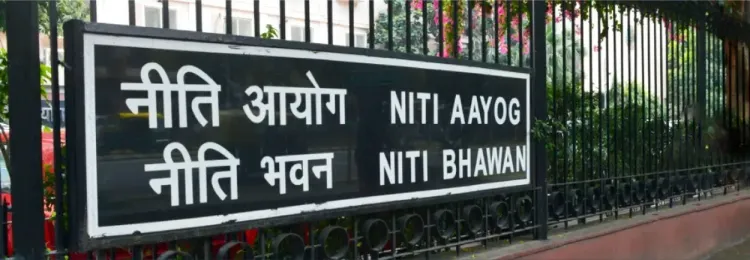
NITI Aayog has unveiled three comprehensive reports aimed at transforming India's circular economy. These documents address critical challenges and propose actionable strategies regarding end-of-life vehicles, waste tyres, and e-waste management. This strategic initiative is vital for achieving sustainable growth in India, aligning with the Viksit Bharat 2047 vision.
Key Takeaways
NITI Aayog has launched vital reports on circular economy.
Focus on End-of-Life Vehicles , Waste Tyres , and E-waste .
Recommendations aim to enhance infrastructure and sector formalisation .
Projected demand for Lithium-ion Batteries is set to soar.
Reports developed through extensive stakeholder consultations.
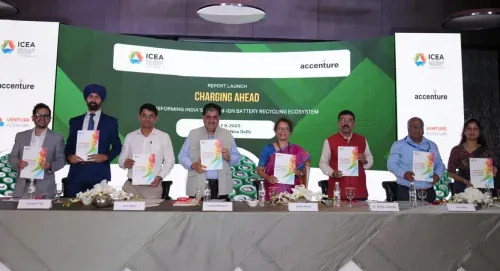
New Delhi, Jan 27 (NationPress) NITI Aayog has introduced three pivotal reports focusing on Enhancing Circular Economy in End-of-Life Vehicles (ELVs), Waste Tyres, and E-waste alongside Lithium-ion Batteries in India.
These documents assess the hurdles within the circular economy framework in India and outline strategies for infrastructure advancement, sector formalisation, reinforcing the Extended Producer Responsibility (EPR) model, and boosting economic potential for revenue generation, as stated officially on Tuesday.
Electrical and electronic devices, along with lithium-ion batteries and vehicles, are critical in driving digitalisation, improving mobility, and facilitating the larger energy transition.
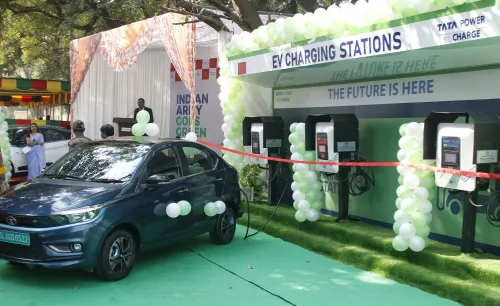
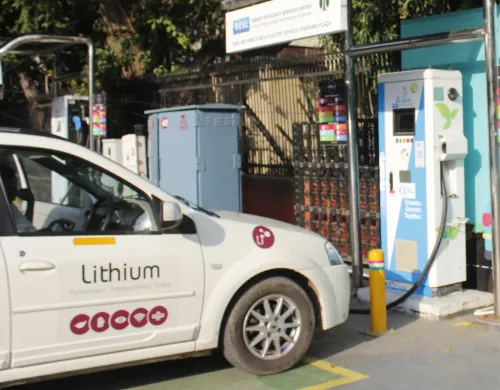
Sales of electric vehicles (EVs) soared from 50,000 in 2016 to 2.08 million in 2024, with the government aiming for a 30% share of EVs in total vehicle sales by 2030. Consequently, the demand for Lithium-ion Batteries is projected to escalate from 29 GWh in 2025 to 248 GWh by 2035, as per the statement.
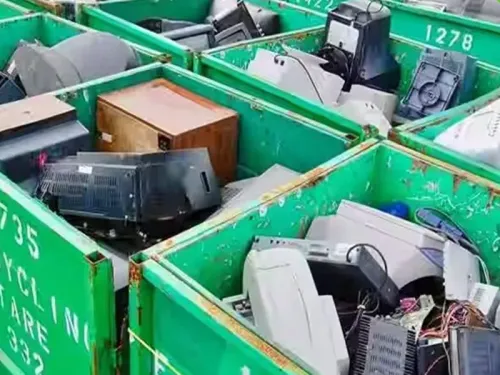
The forecasted number of end-of-life vehicles (ELVs) in India is expected to rise from 23 million in 2025 to 50 million by 2030. Additionally, E-waste is anticipated to increase from 6.19 MMT in 2024 to 14 MMT by 2030. There are considerable challenges in the sustainable management of ELVs, waste tyres, e-waste, and lithium-ion batteries.
This scenario makes establishing a circular economy in these sectors not only an environmental necessity but also a strategic imperative, essential for achieving the Viksit Bharat 2047 vision of sustainable and inclusive growth, as explained in the statement.
Developed through comprehensive discussions with key stakeholders, including line ministries, regulators, industry players, and knowledge partners, these reports deliver a timely and thorough evaluation of current challenges, along with actionable recommendations to expedite the transition to a circular economy. This will enhance resource efficiency, strengthen material security, and promote sustainability in India, according to the statement.
The reports were discussed during the International Material Recycling Conference (IMRC) held by the Material Recycling Association of India in Jaipur on January 22.
The conference and exhibition aimed to unite Indian and international recyclers for networking and showcasing their business interests, products, technologies, services, innovations, and perspectives.
Over 3,000 delegates and more than 200 exhibitors participated in this significant event.
The three reports are accessible at:
Point of View
It's evident that NITI Aayog's initiative marks a significant step towards addressing the pressing challenges in waste management in India. The reports serve as a call to action for all stakeholders to collaborate for a sustainable future, aligning with the nation's vision for inclusive growth.
NationPress
18 Oct 2026
Frequently Asked Questions
What are the main focuses of the three reports?
The reports focus on enhancing circular economy practices concerning End-of-Life Vehicles, Waste Tyres, and E-waste and Lithium-ion Batteries in India.
Why is the circular economy important for India?
The circular economy is essential for sustainable growth and resource efficiency, helping to address environmental challenges and meet the Viksit Bharat 2047 vision.
How will the reports impact India's waste management?
They provide actionable recommendations to improve infrastructure, formalize sectors, and enhance economic potential, ultimately leading to better waste management practices.
When was the IMRC conference held?
The International Material Recycling Conference was held on January 22 in Jaipur.
How can I access the reports?
The reports can be accessed through the official NITI Aayog website.