Nitish Kumar Offers Prayers at Bhojpur Kali Temple
Synopsis
Former Bihar Chief Minister Nitish Kumar visited the Maa Kali Bakhorapur Temple in Bhojpur on 27 July 2026, offering prayers for the happiness, peace, and prosperity of Bihar's people and sharing photographs of the visit on X.
Key Takeaways
Nitish Kumar , former Bihar Chief Minister and Janata Dal (United) national president, visited Maa Kali Bakhorapur Temple in Bhojpur on 27 July 2026 .
He offered prayers seeking happiness, peace, and prosperity for the residents of Bihar.
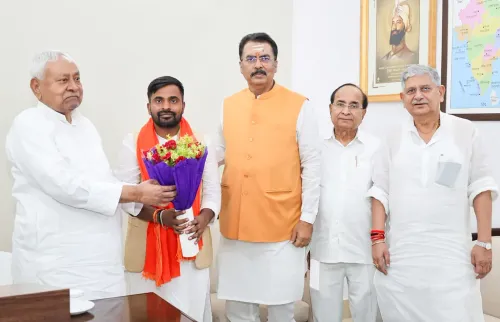
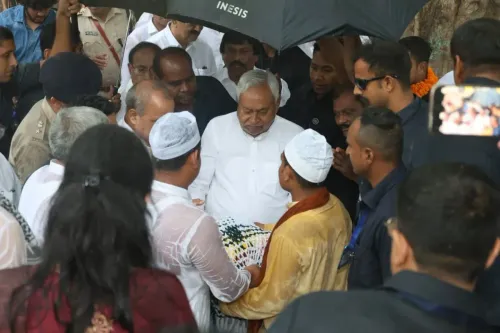
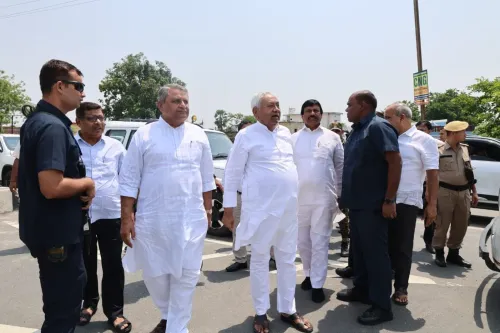
The visit was documented with four photographs shared on his official X account.
Bhojpur is a district in central Bihar known for its concentration of religious and cultural sites.
Temple visits form part of a broader pattern of community and cultural engagement by Bihar political leaders.
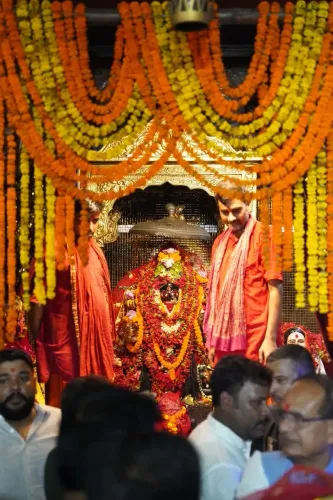
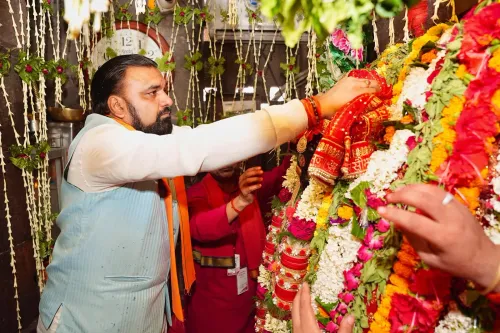
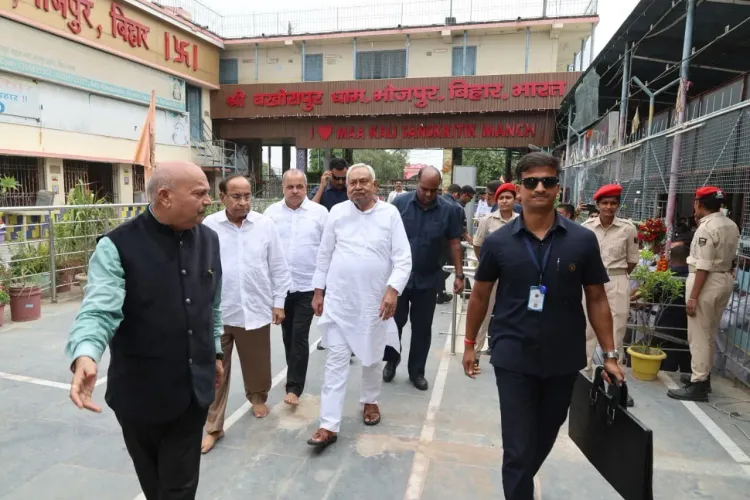
Former Bihar Chief Minister and Janata Dal (United) national president Nitish Kumar visited the Maa Kali Bakhorapur Temple in Bhojpur on Monday, 27 July 2026, offering prayers and seeking blessings of happiness, peace, and prosperity for the people of Bihar.
Sharing the visit on X, Kumar wrote: 'आज भोजपुर स्थित मां काली बखोरापुर मंदिर में पूजा-अर्चना कर राज्यवासियों के जीवन में सुख, शांति एवं समृद्धि की कामना की।' ('Today, after offering prayers at Maa Kali Bakhorapur Temple in Bhojpur, I prayed for happiness, peace, and prosperity in the lives of the people of the state.')
Context
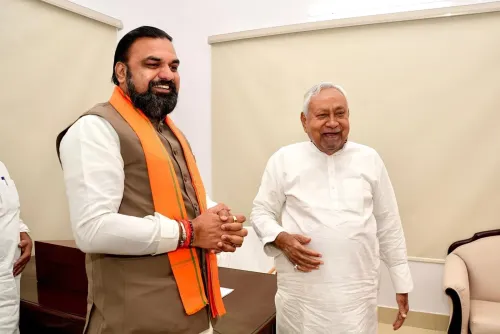
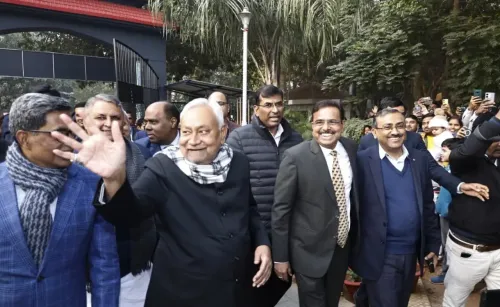
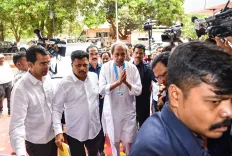
Bhojpur is a district in central Bihar with a significant concentration of religious and cultural sites. The Maa Kali Bakhorapur Temple is among the locally revered shrines in the district. Kumar's post was accompanied by four photographs from the visit, offering visual documentation of the prayer ceremony.
Visits to temples and religious sites have been a recurring feature of Kumar's public engagements over his decades-long political career in Bihar. Such appearances allow leaders to connect with communities around shared cultural and religious traditions.
Policy Backdrop
Bihar political leaders across party lines have periodically visited temples and religious sites as part of broader community outreach. These engagements are often seen as complementary to governance activities, reinforcing a leader's connection with the state's cultural fabric.
Kumar, who has served multiple terms as Bihar's Chief Minister and continues to lead the Janata Dal (United) as its national president, has maintained an active public profile that blends administrative focus with cultural participation.
Stakeholders and Impact
The primary audience for such visits is Bihar's residents, particularly those in and around Bhojpur district, for whom the temple holds religious and cultural significance. Kumar's public invocation of 'sukh, shanti evam samridhi' (happiness, peace, and prosperity) reflects a message directed broadly at the state's population.
Religious outreach of this nature also carries symbolic weight in Bihar's politically active landscape, where cultural identity and community ties remain important factors in public life.
What's Next
Observers of Bihar's political calendar will watch for any follow-up public engagements or statements from Kumar on cultural matters, particularly as the state approaches future assembly sessions. Whether this visit is part of a broader outreach tour across Bihar's districts remains to be seen.
Kumar's continued visibility through such engagements underscores his sustained role in Bihar's public and political sphere, even as the state's governance landscape evolves.
Point of View
Kumar's continued public visibility through religious outreach signals that he remains an active force in shaping the party's connect with Bihar's communities. Such visits carry layered meaning in a state where cultural identity intersects closely with electoral politics. The timing and frequency of these engagements will be worth tracking as Bihar's political cycle progresses.
NationPress
27 Jul 2026
Frequently Asked Questions
Which temple did Nitish Kumar visit in Bhojpur?
Nitish Kumar visited the Maa Kali Bakhorapur Temple located in Bhojpur district, Bihar, on 27 July 2026.
What did Nitish Kumar pray for at the Bhojpur temple?
He prayed for happiness, peace, and prosperity in the lives of the people of Bihar.
Where is Bhojpur district located?
Bhojpur is a district in central Bihar, India, and is home to several religious and cultural sites.
What is Nitish Kumar's current political role?
Nitish Kumar is the national president of Janata Dal (United) and a former Chief Minister of Bihar.
Why do Bihar politicians visit temples and religious sites?
Temple visits are part of a broader pattern of community outreach by Bihar political leaders, helping them connect with local populations around shared cultural and religious traditions.