NMC adds 13,186 MBBS seats, India's total intake crosses 1.4 lakh for 2026-27

Synopsis
India's medical education capacity has hit a new peak — 1,40,214 MBBS seats across 836 colleges after the NMC cleared 13,186 additional slots for 2026-27. With Karnataka, Tamil Nadu and Bihar among the biggest gainers, and the Northeast watching closely, the move signals the Centre's most ambitious single-year seat push yet — but quality assurance will be the harder test.
Key Takeaways
The National Medical Commission (NMC) has approved 13,186 additional MBBS seats for the 2026-27 academic session.
India's total undergraduate medical intake now stands at 1,40,214 seats across 836 medical colleges , excluding Institutes of National Importance — a new national high.
Karnataka , Tamil Nadu , and Bihar are among the states with the largest seat increases in this tranche.
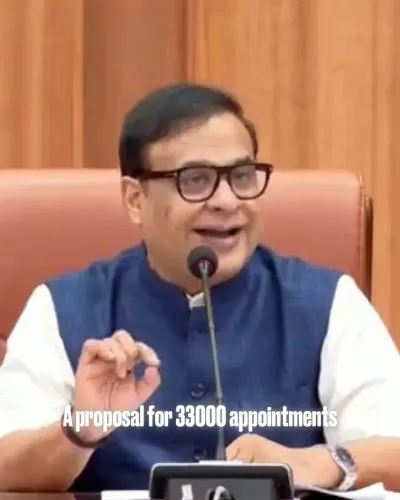
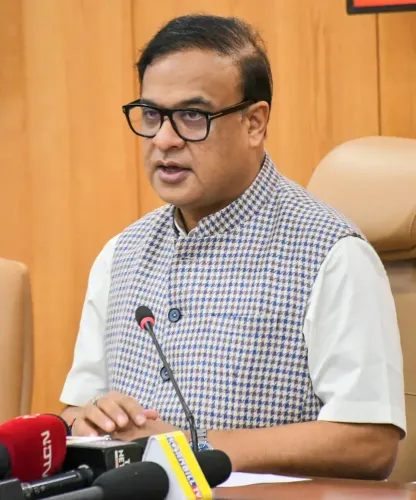
Assam CM Himanta Biswa Sarma welcomed the expansion on X , noting its importance for the Northeast 's medical education and healthcare ambitions.
The expansion is intended to ease competition among NEET-UG aspirants and address India's structural shortage of qualified doctors.
The National Medical Commission (NMC) has approved 13,186 additional MBBS seats across India, pushing the country's total undergraduate medical intake to 1,40,214 seats across 836 medical colleges for the 2026-27 academic session — a new national high, excluding seats at Institutes of National Importance. Assam Chief Minister Himanta Biswa Sarma on Sunday, 13 September 2026, welcomed the development, describing it as a significant stride forward for medical education and healthcare capacity.
Scale of the Expansion
According to NMC data, India's total MBBS seat count now stands at 1,40,214 — a figure that was unthinkable a decade ago. The latest addition of 13,186 seats follows an earlier round of approvals for the same academic year, compounding the overall increase. Karnataka, Tamil Nadu, and Bihar are reported to be among the states registering the largest incremental gains from this latest tranche.
The expansion spans multiple union territories and states, reflecting the Centre's sustained push to broaden the medical education footprint across all regions. The approvals come at a time when demand for MBBS seats remains intense among the millions of students appearing annually for the National Eligibility-cum-Entrance Test (NEET-UG).
What Assam CM Himanta Biswa Sarma Said
Chief Minister Sarma hailed the NMC's decision in a post on X, emphasising the importance of creating more pathways for students aspiring to enter the medical profession and of building India's pool of trained doctors. For Assam and the broader Northeast, the move carries added weight, as the region has been steadily expanding its medical college network and health infrastructure in recent years, aiming to retain students locally and improve access to specialised care.
Northeast's Growing Medical Footprint
Assam has, over the past several years, seen an incremental rise in medical colleges and health facilities, with the state government positioning healthcare expansion as a core plank of its development agenda. The NMC's latest approval is expected to translate into more seats being available to Northeast students, reducing the need to travel to other states or abroad for medical education.
This is particularly significant given the region's historically limited access to tertiary healthcare, and the government's stated goal of improving specialist coverage across districts.
The Bigger Picture: India's Medical Education Drive
The Centre and the NMC have pursued a multi-year strategy of scaling medical education — raising undergraduate and postgraduate seats simultaneously and greenlighting new colleges. India's medical seat count has grown substantially since 2014, and the 2026-27 session marks a fresh milestone in that trajectory. Critically, the expansion is intended not just to serve students but to address a structural shortage of qualified doctors, a gap that healthcare planners have flagged as a constraint on the country's ability to deliver universal health coverage.
The 1,40,214 seat figure still excludes premier institutions, meaning the effective national capacity is somewhat higher. With demand from NEET-UG aspirants consistently outpacing supply, the additional seats are expected to ease — though not eliminate — the competition for undergraduate medical placements.
What Comes Next
The newly approved seats are set to be available from the 2026-27 academic session. Medical education experts and industry bodies have broadly welcomed the expansion but noted that seat addition alone does not guarantee quality outcomes — faculty availability, infrastructure standards, and hospital attachment quality remain key variables that regulators will need to monitor closely.
Point of View
186 MBBS seats in one tranche is headline-worthy, but the uncomfortable question mainstream coverage glosses over is whether India's medical colleges can actually deliver quality graduates at this scale. Faculty shortages, uneven hospital attachment standards, and regulatory oversight capacity have not kept pace with seat growth in past expansion cycles. The Northeast angle is politically salient but structurally thin — regional seat addition is meaningful only if accompanied by concurrent faculty hiring and infrastructure investment. India does need more doctors, but a seat number divorced from a quality enforcement framework risks producing paper-qualified graduates rather than practice-ready physicians.
NationPress
13 Sept 2026
Frequently Asked Questions
How many MBBS seats has the NMC added for 2026-27?
The National Medical Commission has approved 13,186 additional MBBS seats for the 2026-27 academic session, bringing India's total undergraduate medical intake to 1,40,214 seats across 836 medical colleges, excluding Institutes of National Importance.
Which states gained the most MBBS seats in this expansion?
Karnataka, Tamil Nadu, and Bihar are among the states that registered some of the largest increases under the latest NMC approval. The expansion also covers multiple union territories.
Why did Assam CM Himanta Biswa Sarma respond to the NMC announcement?
Chief Minister Sarma welcomed the decision because expanded MBBS capacity is directly relevant to Assam and the Northeast, a region that has historically had limited medical college access. He posted his reaction on X, highlighting the importance of creating more opportunities for students and strengthening the national doctor pool.
When will the new MBBS seats be available to students?
The newly approved seats are intended for the 2026-27 academic session, meaning eligible NEET-UG candidates can apply for them in the current admissions cycle.
How has India's MBBS seat count grown in recent years?
India's total MBBS seat count has expanded substantially over the past decade, driven by the Centre and NMC's sustained push to establish new medical colleges and increase undergraduate and postgraduate intake. The 1,40,214 figure for 2026-27 represents a new national high in undergraduate medical capacity.