Noida food raids destroy 400 kg contaminated rasgullas, seize 450 kg boondi before Diwali
Synopsis
With Diwali days away, food safety authorities across Noida, Delhi, Haryana, and Uttar Pradesh launched simultaneous raids — destroying 400 kg of fly-infested rasgullas, seizing 450 kg of boondi, and obliterating over 50,000 kg of adulterated sweets in a single day. The scale of contamination found is a stark reminder of how festival season demand fuels a parallel market in unsafe food.
Key Takeaways
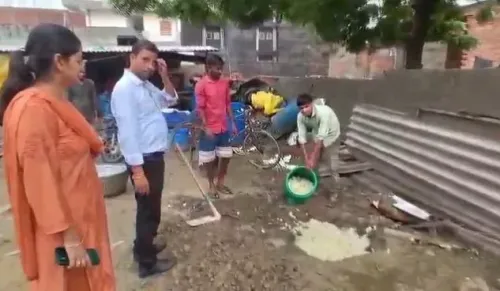
Noida Food Department destroyed 400 kg of contaminated, fly-infested rasgullas and seized 450 kg of boondi on 4 November 2026 .
A sweet shop in Sector 62, Rasulpur, Nawada had its licence suspended for storing sweets in severely unhygienic conditions.
Delhi Chief Minister Rekha Gupta oversaw destruction of 7,000 kg of foul-smelling khoya at Mori Gate Khoya Market on 3 November .
Haryana destroyed approximately 50,000 kg of adulterated sweets and fake paneer; 170 food samples failed lab tests, including 30 declared unsafe.
UP's Food Department seized approximately 90 kg of suspected adulterated desi ghee from Gopaldoot Dairy, Mainpuri .
Raids will continue across Noida and Greater Noida until Diwali on instructions of the District Magistrate .
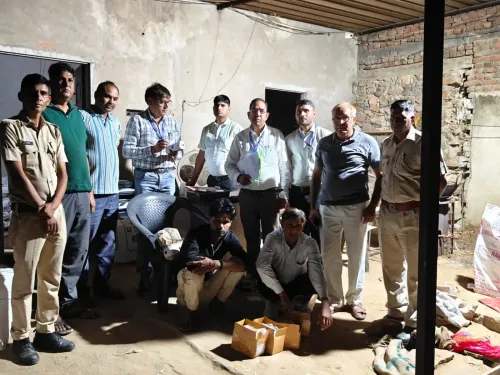
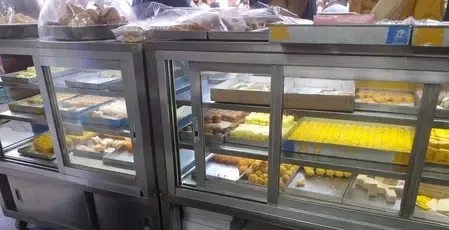
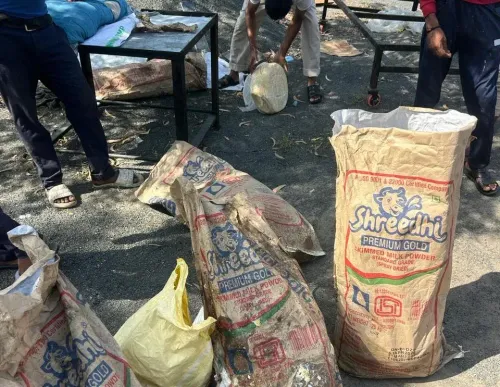
The Food Department in Noida and Greater Noida has intensified its pre-Diwali crackdown on food adulteration, destroying 400 kg of fly-infested, contaminated rasgullas and seizing 450 kg of boondi declared unfit for human consumption during raids at multiple sweet shops on 4 November 2026. Food safety officers also collected samples of seven food items from various shops during the operation.
Key Developments in Noida
During the inspections, officials uncovered sweets being prepared and stored in severely unhygienic conditions at a sweet shop in Sector 62, Rasulpur, Nawada. The department has initiated proceedings to suspend the shop's licence, and its business operations have been halted pending the necessary improvements. The raids are being conducted on the instructions of the District Magistrate, and the special campaign will continue until Diwali.
Officials have warned shopkeepers against selling adulterated sweets and directed them to prioritise quality and hygiene. Strict action, they said, will follow any violations of food safety standards.
Delhi and Haryana Join the Crackdown
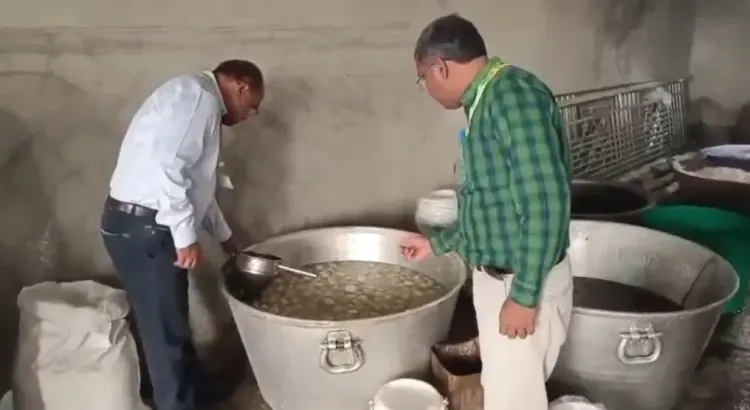
The Noida action is part of a wider, coordinated push by food safety authorities across the National Capital Region and neighbouring states. On 3 November, Delhi Chief Minister Rekha Gupta personally visited the Mori Gate Khoya Market, where the Food Safety Department seized and destroyed approximately 7,000 kg of unhygienic and foul-smelling khoya. Gupta directed officials to ensure that suspect food products did not enter the market supply chain.
On the same day, Haryana's food safety authorities destroyed around 50,000 kg of adulterated sweets and fake paneer during a statewide campaign. Additionally, 170 food samples failed laboratory tests in Haryana, including 30 declared unsafe for human consumption. State Health Minister Arti Singh Rao stated that the government would not compromise on public health.
Uttar Pradesh Action at Mainpuri Dairy
In a parallel operation in Uttar Pradesh, the Food Department raided Gopaldoot Dairy near the Jyoti intersection on Agra Road, Mainpuri, seizing approximately 90 kg of suspected adulterated desi ghee. The raid followed a tip-off about the alleged production and sale of fake ghee at the facility.
Why This Matters: Festive Season Risk
Food adulteration cases notably rise during major festivals such as Diwali and Navratri, when demand for sweets, dairy products, and other festive food items surges significantly. This crackdown across multiple states reflects growing regulatory urgency to protect consumers during a period when counterfeit and substandard ingredients are more likely to enter the supply chain. The scale of destruction — tens of thousands of kilograms across the NCR region in a single day — underscores how widespread the problem reportedly remains despite existing regulations.
Authorities have signalled that inspections will remain intensified through the Diwali period, with shopkeepers on notice that licences and operations face suspension for violations.
Point of View
Suggesting enforcement is episodic rather than systemic. Licence suspensions and spot destructions make for strong visuals, but without year-round laboratory monitoring and published conviction data, they offer limited deterrence. The real question is whether this pre-Diwali blitz translates into permanent improvements in cold-chain hygiene and ingredient traceability — or simply resets until the next Holi or Navratri.
NationPress
4 Nov 2026
Frequently Asked Questions
What did the Noida Food Department find during its Diwali raids?
Officers found 400 kg of rasgullas infested with flies and contaminated, which were destroyed on the spot, and seized 450 kg of boondi deemed unfit for human consumption. A sweet shop in Sector 62, Rasulpur, Nawada was also found operating in severely unhygienic conditions, triggering licence suspension proceedings.
How long will the Noida food safety crackdown continue?
The special inspection campaign will continue until Diwali, as directed by the District Magistrate. Officials have warned that strict action — including licence suspension and business closure — will follow any further violations of food safety standards.
What action did Delhi take against food adulteration before Diwali?
On 3 November, Delhi Chief Minister Rekha Gupta visited the Mori Gate Khoya Market, where about 7,000 kg of unhygienic and foul-smelling khoya was seized and destroyed. She directed officials to prevent suspect food products from entering the market supply chain.
What happened in Haryana's food safety drive ahead of Diwali?
Haryana's food safety authorities destroyed approximately 50,000 kg of adulterated sweets and fake paneer in a statewide campaign. Of 170 food samples that failed laboratory tests, 30 were declared outright unsafe for human consumption; State Health Minister Arti Singh Rao said the government would not compromise on public health.
Why does food adulteration increase during festivals like Diwali?
Demand for sweets, dairy products, and festive food items rises sharply during Diwali and Navratri, creating conditions where substandard or counterfeit ingredients are more likely to enter the supply chain to meet volume and profit targets. Authorities across states routinely intensify inspections during these periods for this reason.