Uttarakhand cracks down on food adulterators ahead of festive season

Synopsis
With Raksha Bandhan, Navratri, and Diwali approaching, Uttarakhand has launched a statewide blitz on food adulterators and hoarders — destroying substandard sweets on the spot, testing dozens of samples, and placing Divisional Commissioners on the line for results. It is a reminder that festive demand is also peak season for food fraud.
Key Takeaways
Chief Minister Pushkar Singh Dhami ordered a special weeklong food safety campaign across all Uttarakhand districts on 25 August .
Since 1 August , 70 establishments inspected in Dehradun alone, with 48 samples sent for testing.
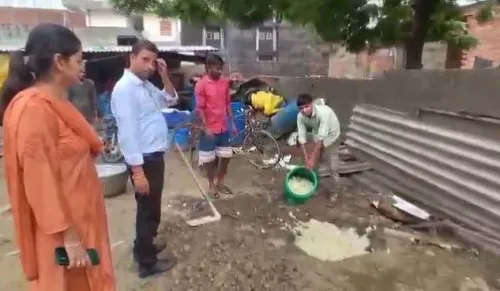
10 kg of substandard sweets destroyed on the spot in Nainital ; court cases initiated in multiple districts.
Authorities are monitoring hoarding of sugar and illegal commercial use of domestic LPG cylinders .
The drive is timed ahead of Raksha Bandhan , Krishna Janmashtami , Navratri , and Diwali .
Proposed national rules allow fines up to ₹10 lakh and life imprisonment for severe food adulteration violations.
The Uttarakhand government, under Chief Minister Pushkar Singh Dhami, on Tuesday, 25 August launched an intensified statewide crackdown on food adulterators and hoarders, rolling out a special weeklong enforcement campaign across all districts ahead of the festive season. The drive targets illegal food adulteration, hoarding of essential commodities, and the unauthorised commercial use of domestic LPG cylinders.
How the Campaign Is Being Conducted
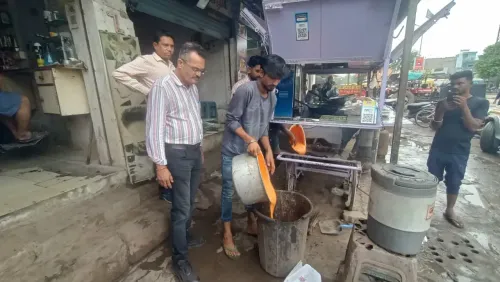
Acting on direct instructions from Chief Minister Dhami, Divisional Commissioners have been made accountable for overseeing the drive in their respective jurisdictions. Raids, inspections, and food sampling are underway at establishments across the state. Officials have been authorised to destroy expired, spoiled, and substandard food items on the spot, with notices issued to violators and court cases initiated in several instances.
District-Wise Action So Far
In Dehradun, 11 food samples were collected on Monday alone. Since 1 August, authorities have inspected 70 establishments in the district and sent 48 samples for laboratory testing. In Haridwar, 47 establishments were inspected and 27 samples collected. In Nainital, 10 shops were checked, six samples collected, and 10 kg of substandard sweets were destroyed on the spot.
Across other districts: Pauri recorded 10 samples, Bageshwar three, Almora and Pithoragarh two each, Tehri six, and Uttarkashi four. In Champawat, authorities inspected 21 locations and dispatched 10 samples to laboratories for examination.
Why the Festive Season Triggers Heightened Vigilance
The campaign is timed to coincide with a cluster of major festivals — Raksha Bandhan, Krishna Janmashtami, Navratri, and Diwali — when demand for sweets, dairy products, and packaged food items surges sharply. Historically, this period sees a spike in adulteration complaints, particularly in milk-based sweets and edible oils. Authorities are also monitoring the hoarding of sugar, identified as a key essential commodity under watch.
The National Framework Behind State Action
The state drive operates within the broader enforcement architecture of the Food Safety and Standards Authority of India (FSSAI), which mandates a zero-tolerance framework through its Risk-Based Inspection System (RBIS). The RBIS prioritises high-risk categories including dairy, spices, and edible oils for targeted audits and random sampling.
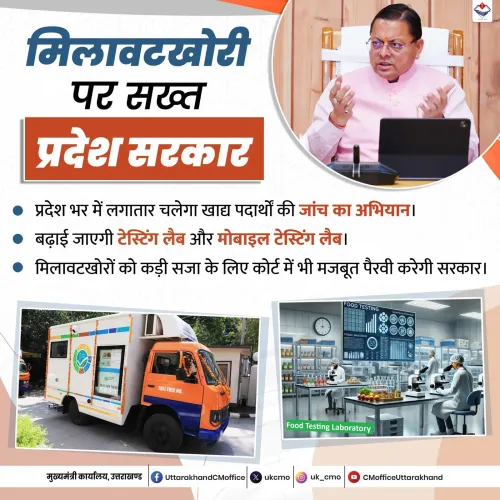
Nationally, over 305 Mobile Food Testing Laboratories — known as Food Safety on Wheels (FSW) — are deployed across states and union territories for instant on-site screening. Regulatory action under this framework has resulted in tens of thousands of penalties, licence cancellations, and criminal convictions. Proposed rule amendments would allow fines of up to ₹10 lakh and life imprisonment for the most severe violations.
What Comes Next
The weeklong campaign is expected to continue through the coming days, with results from laboratory samples likely to determine further legal action. With the festive calendar extending well into October, enforcement officials are expected to maintain elevated vigilance through the Navratri and Diwali periods.
Point of View
But Uttarakhand's decision to hold Divisional Commissioners personally accountable adds an accountability layer that is often missing. The real measure of this drive will not be the number of samples collected — it will be how many cases actually reach conviction, a metric that historically lags enforcement optics by a wide margin. With FSSAI's RBIS in place nationally and over 305 mobile labs deployed, the infrastructure exists; the gap is in follow-through. Destroyed sweets make for visible action; deterrence requires that prosecutions land.
NationPress
9 Oct 2026
Frequently Asked Questions
Why has Uttarakhand launched a food safety crackdown now?
The Uttarakhand government launched the crackdown ahead of major festivals — Raksha Bandhan, Krishna Janmashtami, Navratri, and Diwali — when demand for sweets and dairy products spikes and the risk of food adulteration rises significantly. Chief Minister Pushkar Singh Dhami ordered the weeklong campaign on 25 August.
Which districts are covered under the Uttarakhand food safety drive?
The campaign spans all districts in Uttarakhand, including Dehradun, Haridwar, Nainital, Pauri, Bageshwar, Almora, Pithoragarh, Tehri, Uttarkashi, and Champawat. Divisional Commissioners have been made responsible for monitoring enforcement in their respective areas.
What action has been taken so far in the crackdown?
Since 1 August, authorities have inspected 70 establishments in Dehradun and collected 48 samples. In Nainital, 10 kg of substandard sweets were destroyed on the spot. Notices have been issued to violators, and court cases have been initiated in several instances across the state.
What commodities are under watch for hoarding?
Authorities are specifically monitoring the hoarding of sugar, identified as a key essential commodity, as well as the illegal commercial use of domestic LPG cylinders. Both are common violations that tend to intensify in the run-up to the festive season.
What penalties exist for food adulteration in India?
Under the FSSAI framework, food adulteration can lead to penalties, licence cancellations, and criminal convictions. Proposed rule amendments would allow fines of up to ₹10 lakh and life imprisonment for the most severe violations, such as distributing toxic substitutes or synthetic products.