Delhi food safety: 4,500 kg unfit stock destroyed in 2 months, minister orders year-round checks
Synopsis
Delhi's Food Safety Department destroyed over 4,500 kg of unsafe stock — including 3,440 kg of khoya, chaap and makkhan — in just two months, prompting Health Minister Pankaj Kumar Singh to order year-round, round-the-clock inspections. The directive explicitly targets the long-standing pattern of crackdowns spiking only at festive times, with dedicated teams now to remain deployed across the capital continuously.
Key Takeaways
Delhi Health Minister Pankaj Kumar Singh chaired a Food Safety Department review on 3 November 2026 , ordering intensified year-round inspections.
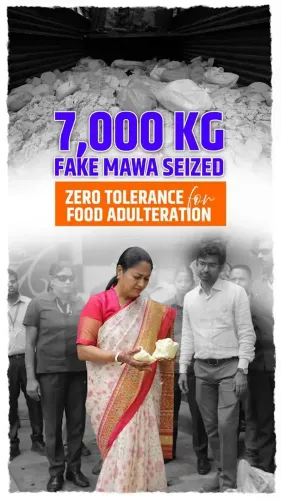
More than 4,500 kg of unsafe food was destroyed in the past two months, including 3,440 kg of khoya, chaap, and makkhan and 658 kg of paneer.
A total of 429 food samples were lifted — 307 enforcement and 122 surveillance samples.
Inspection drives covered areas including Hastsal , Vikaspuri , Najafgarh , Bhogal , and Shiv Vihar , with Delhi Police teams accompanying officials.
The minister directed round-the-clock vigilance throughout the year, moving beyond festival-season-only enforcement cycles.
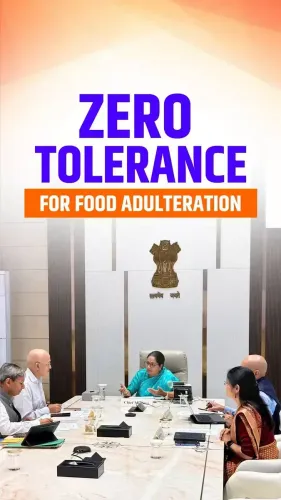
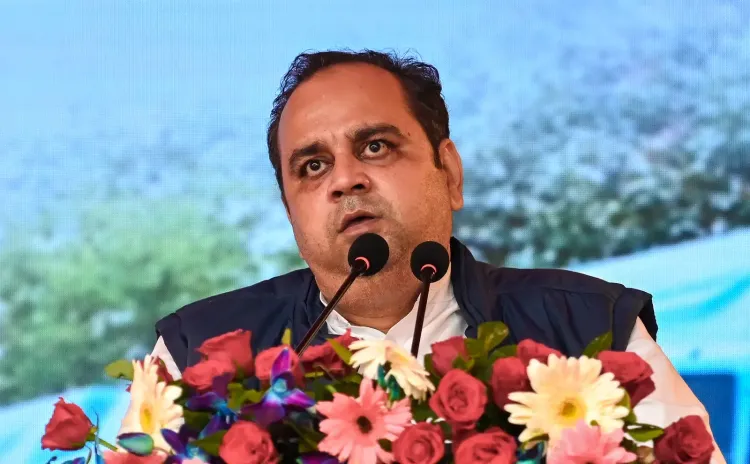
Delhi Health Minister Pankaj Kumar Singh on Tuesday, 3 November 2026, chaired a review meeting of the Food Safety Department and directed officials to intensify inspections across the national capital, warning that food adulteration will be met with zero tolerance and strict legal action. The order follows a two-month enforcement drive that resulted in the destruction of more than 4,500 kg of unsafe and unfit food stock.
Scale of the Crackdown
According to an official statement from the Delhi government, enforcement operations over the past two months led to the destruction of over 4,500 kg of substandard food items. This included approximately 3,440 kg of khoya, chaap, and makkhan, 658 kg of paneer, and 139 kg of expired food products. The Food Safety Department lifted a total of 429 food samples during this period — comprising 307 enforcement samples and 122 surveillance samples.
Areas and Categories Under Watch
Safety check drives were carried out across several parts of Delhi, including Hastsal, Vikaspuri, Budella, Najafgarh, Bhogal, and Shiv Vihar. Delhi Police teams accompanied food safety officials during these operations. Special drives were conducted targeting adulteration in paneer, khoya, and ghee, with inspections covering sweets manufacturers, dairy establishments, and fast food outlets. The minister directed that priority vigilance be maintained over khoya, paneer, chhena, sweets, namkeen, ghee, edible oils, and dry fruits — particularly during the festive season.
What the Health Minister Said
Addressing officials at the review meeting, Minister Pankaj Kumar Singh stated: 'The health and safety of Delhi's residents cannot be compromised under any circumstances. Food adulteration is a serious offence that directly threatens public health, and those involved in such practices will face strict action under the law. I have directed the Food Safety Department to deploy dedicated teams across Delhi and maintain round-the-clock vigilance. These inspections will continue throughout the year, not just during the festive season.'
He further stressed the need for stronger inter-departmental coordination, timely food sample collection, and prompt laboratory testing, with strict action wherever violations are detected.
Year-Round Vigilance, Not Just Festive Checks
A key directive from Tuesday's meeting was the explicit push to move beyond seasonal or festival-driven inspection cycles. Singh directed officials to maintain round-the-clock vigilance and ensure that drives are sustained throughout the year. This comes amid recurring concerns across Indian cities that food adulteration checks intensify only around major festivals such as Diwali and Holi, leaving enforcement gaps for the rest of the year. Notably, the Delhi Food Safety Department's current two-month tally places it among the more active state-level drives reported this year.
What Happens Next
Dedicated food safety teams are to be deployed across Delhi on a continuous basis, with laboratory results from the 429 samples expected to guide further punitive action against violators. The minister's direction to maintain inter-departmental coordination — involving Delhi Police and laboratory agencies — signals an intent to tighten the enforcement chain from field inspection to prosecution. All eyes will be on whether the year-round mandate translates into sustained operational capacity beyond the current festive-season momentum.
Point of View
500 kg figure is striking, but the more consequential directive is the push to break the seasonal inspection cycle — a pattern that has long allowed adulteration to resurge between Diwali and Holi crackdowns. The real test is whether the Food Safety Department has the staffing and laboratory capacity to sustain round-the-clock drives, or whether this review-meeting directive fades once the festive window closes. Delhi's food supply chain — particularly its dairy and sweets segment — is vast and poorly mapped; 429 samples over two months is a start, but barely scratches the surface of a city of 20 million. Without a public dashboard tracking sample results and prosecutions, accountability remains thin.
NationPress
3 Nov 2026
Frequently Asked Questions
How much unfit food was destroyed by Delhi's Food Safety Department?
More than 4,500 kg of unsafe and unfit food stock was destroyed over two months, according to an official Delhi government statement. This included around 3,440 kg of khoya, chaap, and makkhan, 658 kg of paneer, and 139 kg of expired food products.
Why did Delhi Health Minister Pankaj Kumar Singh call the review meeting?
Minister Pankaj Kumar Singh convened the review meeting on 3 November 2026 following the recovery of large quantities of adulterated food items, including milk, paneer, and chaap. He used the meeting to direct officials to intensify inspections and maintain year-round vigilance rather than limiting drives to the festive season.
Which areas in Delhi were covered in the food safety drives?
Inspection drives were conducted in Hastsal, Vikaspuri, Budella, Najafgarh, Bhogal, and Shiv Vihar, among other parts of the national capital. Delhi Police teams accompanied food safety officials during the operations.
What food categories are under priority surveillance in Delhi?
The Delhi Health Minister directed special vigilance over khoya, paneer, chhena, sweets, namkeen, ghee, edible oils, and dry fruits. These categories are considered high-risk for adulteration, especially during the festive season.
What action will be taken against those found adulterating food in Delhi?
Minister Pankaj Kumar Singh stated there will be 'zero tolerance towards food adulteration' and that offenders will face strict action under the law. The Food Safety Department has been directed to deploy dedicated teams across Delhi continuously and escalate cases wherever laboratory testing confirms violations.