Swine flu cases in Gautam Buddha Nagar cross 120; 20-bed ICU activated
Synopsis
With 120 swine flu cases logged in Gautam Buddha Nagar and a 20-bed ventilator-equipped ICU now activated, Noida's health system is bracing for a post-monsoon surge. The Chief Medical Officer's warning against self-medication signals a deeper concern: that residents treating themselves with pharmacy drugs may be masking cases and delaying the district's ability to track the true scale of the outbreak.
Key Takeaways
Nearly 120 swine flu cases have been recorded in Gautam Buddha Nagar as of 26 August .
A dedicated 20-bed ICU with ventilators has been activated for critically ill patients.
All hospitals and health centres in the district have been placed on high alert.
Chief Medical Officer Dr Madan Mohan Mani Tripathi has urged residents not to self-medicate and to consult a doctor at the first sign of symptoms.
Elderly people , young children , and those with pre-existing conditions have been advised to take extra precautions.
Essential medicines have been stocked at health centres across the district to ensure uninterrupted treatment access.
Health authorities in Gautam Buddha Nagar, Noida, have recorded nearly 120 swine flu cases as of 26 August, prompting the district Health Department to activate a dedicated 20-bed ICU equipped with ventilators and issue a public advisory urging residents to seek timely medical attention. The surge, linked to changing weather conditions and rising viral infections, has placed hospitals and health centres across the district on high alert.
Key Developments
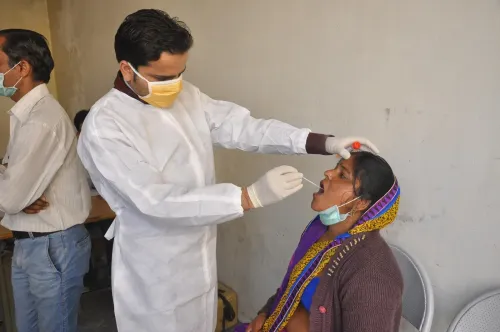
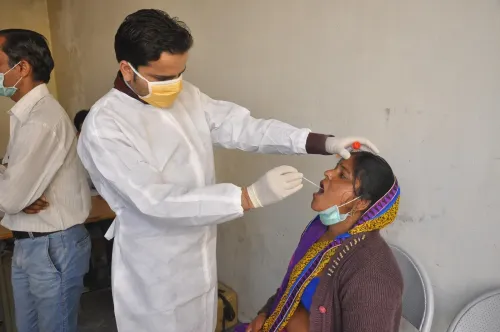
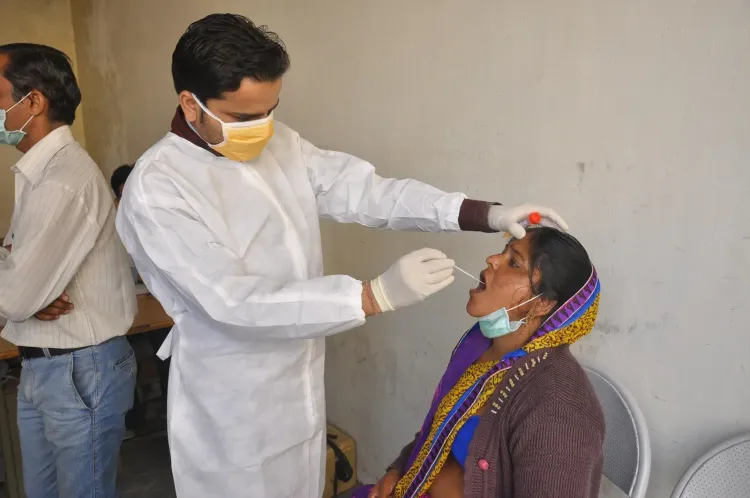
All hospitals and primary health centres in Gautam Buddha Nagar have been placed on alert, with authorities ensuring the availability of essential medicines at each facility. A 20-bed ICU fitted with ventilators has been prepared specifically for critically ill swine flu patients, and officials have confirmed that immediate treatment will be provided to those in serious condition.
Continuous monitoring of medical supplies, equipment, and staffing levels is under way across the district's healthcare network. Authorities are also strengthening identification, testing, and treatment protocols for suspected cases.
What the Chief Medical Officer Said
Chief Medical Officer Dr Madan Mohan Mani Tripathi appealed to residents not to panic, while stressing that symptoms must not be ignored. 'Symptoms such as cough, sore throat, fever, body aches, weakness and difficulty in breathing should not be ignored,' he said, urging people to consult a qualified doctor promptly rather than resorting to self-medication.
Dr Tripathi specifically flagged that many residents begin purchasing medicines from pharmacies at the first sign of fever or cold — a practice health officials say can delay proper diagnosis and worsen outcomes.
Who Is at Highest Risk
The Health Department has identified elderly individuals, young children, and people with pre-existing medical conditions as groups requiring extra precautions. These populations are advised to limit exposure to crowded settings and to seek medical consultation at the earliest sign of infection.
This comes amid a broader seasonal pattern: swine flu cases in northern India have historically spiked during monsoon and post-monsoon months, when fluctuating temperatures weaken immunity and increase respiratory infection risk.
Public Advisory: What Residents Must Do
The Health Department's advisory outlines several preventive measures for the general public. Residents are asked to cover their mouth and nose with a handkerchief, tissue, or elbow while coughing or sneezing, and to wash hands regularly with soap and water. Close contact with infected individuals should be avoided, and unnecessary visits to crowded places — particularly for those already experiencing symptoms — are strongly discouraged.
Authorities have reiterated that self-medication is not advisable under any circumstances if swine flu symptoms appear. Early identification and timely treatment, officials note, can prevent the illness from escalating into a critical condition.
What Happens Next
The Health Department says surveillance and monitoring will continue as the district moves through the post-monsoon period. With the ICU facility now on standby and medicine stocks replenished, authorities say the district is equipped to manage a further rise in cases — though they are urging the public to act preventively to reduce the burden on healthcare facilities.
Point of View
120 is likely an undercount. The district's real challenge is not ICU capacity but case detection — and that requires community trust in the public health system, not just ventilators.
NationPress
10 Oct 2026
Frequently Asked Questions
How many swine flu cases have been reported in Gautam Buddha Nagar?
Nearly 120 swine flu cases have been reported in Gautam Buddha Nagar as of 26 August. The Health Department has responded by placing hospitals on alert and activating a dedicated ICU.
What is swine flu and what are its symptoms?
Swine flu, caused by the H1N1 influenza virus, is a respiratory illness that spreads through droplets from coughing or sneezing. Key symptoms include cough, sore throat, fever, body aches, weakness, and difficulty in breathing, according to the Gautam Buddha Nagar Health Department.
Who is most at risk from the swine flu outbreak in Noida?
Elderly individuals, young children, and people with pre-existing medical conditions are considered most vulnerable, according to health officials. These groups have been specifically advised to take additional precautions and seek early medical consultation.
Why are health officials warning against self-medication?
Officials warn that self-medication can delay accurate diagnosis and proper treatment, potentially allowing the illness to worsen. Chief Medical Officer Dr Madan Mohan Mani Tripathi has urged residents to consult a qualified doctor before starting any medication.
What preventive measures has the Health Department recommended?
Residents are advised to cover their mouth and nose while coughing or sneezing, wash hands regularly with soap and water, avoid close contact with infected persons, and limit visits to crowded places — especially if experiencing symptoms. Timely medical consultation is strongly encouraged.