Noida schools on alert as swine flu, dengue cases rise in Gautam Buddha Nagar
Synopsis
A simultaneous spike in swine flu and dengue has put Noida's schools on alert, with managements issuing parent advisories, launching hygiene drives, and inspecting premises for stagnant water. The dual seasonal threat — arriving mid-monsoon — is pushing schools to explicitly prioritise children's health over attendance, a notable shift in institutional messaging.
Key Takeaways
Schools across Noida, Gautam Buddha Nagar have issued health advisories following a reported rise in swine flu and dengue cases as of 25 August .
Parents are advised to keep children with cold, cough, fever, or flu symptoms at home until full recovery.
Schools have launched handwashing and hygiene education drives and are sanitising classrooms and common areas more frequently.
Regular inspections of coolers, flower pots, and rooftops are underway to eliminate stagnant water and curb mosquito breeding.
Authorities have flagged persistent fever, extreme weakness, and breathing difficulty as symptoms requiring immediate medical attention.
School managements have called for coordinated action between the health department, schools, and parents to contain the outbreak.
Schools across Noida in Gautam Buddha Nagar, Uttar Pradesh, have ramped up precautionary measures following a reported spike in swine flu and dengue cases in the district, with managements urging parents to keep unwell children at home until they fully recover. The advisories, issued on 25 August, reflect growing concern among school authorities about the seasonal disease burden and the risk of infections spreading within classrooms.
What Schools Are Telling Parents
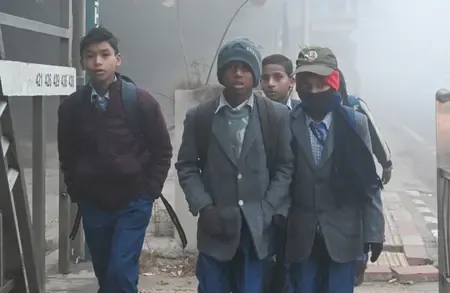
School managements have circulated advisories asking parents to monitor their children closely for symptoms including cold, cough, fever, and flu-like illness. Children displaying any of these early signs have been asked to stay home and rest rather than attend school to maintain attendance records.
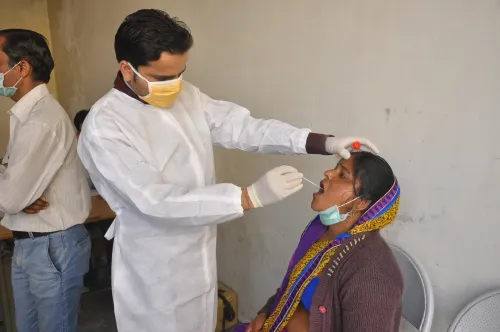
Parents have also been advised to seek medical consultation promptly if symptoms persist or worsen. Authorities have specifically flagged persistent fever, extreme weakness, difficulty in breathing, and other serious symptoms as conditions requiring immediate medical attention — not a wait-and-watch approach.
Hygiene Drives Inside Classrooms
As part of the preventive response, schools have launched hygiene education drives for students. Children are being instructed on the importance of regular handwashing, maintaining personal cleanliness, and avoiding unnecessary contact with their eyes, nose, and mouth — key transmission points for both influenza strains and other respiratory infections.
School authorities are also conducting enhanced sanitation of classrooms and common areas, with increased frequency of cleaning across all shared spaces. This comes amid a broader seasonal uptick in respiratory and vector-borne illnesses that typically peaks during and after the monsoon months.
Dengue Vigilance: Targeting Mosquito Breeding Grounds
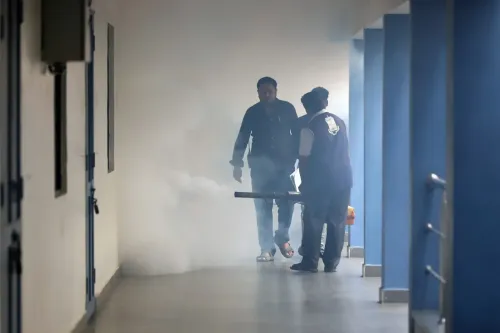
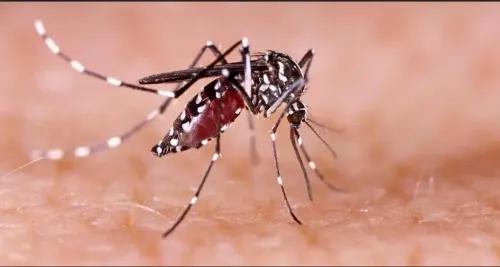
With dengue cases adding to the health alert, schools have intensified inspections for stagnant water — the primary breeding ground for the Aedes mosquito responsible for dengue transmission. Authorities are conducting regular checks of coolers, flower pots, rooftops, and other water-accumulation points within and around school buildings.
Notably, this dual threat — swine flu and dengue arriving simultaneously — places additional strain on school health infrastructure and parental vigilance. Dengue cases in Uttar Pradesh tend to rise sharply between August and October, making early containment at institutional level critical.
The Bigger Picture: Health Versus Attendance
School managements have explicitly acknowledged the tension between attendance expectations and health safety, stating that while regular attendance matters for learning outcomes, a child's health and safety must take precedence. Sending a sick child to school, they cautioned, risks both the child's recovery and the health of classmates.
Authorities have called for stronger coordination between the health department, schools, and parents to contain the spread of infection across the district. With the monsoon season still active, health officials and school administrators are expected to maintain heightened vigilance in the weeks ahead.
Point of View
But they also expose a structural gap: India lacks a standardised school-level disease surveillance protocol that would trigger such advisories automatically based on district health data. Schools are reacting to a spike that the health system should have flagged proactively. The dual burden of swine flu and dengue is not unusual for August in Uttar Pradesh — what is unusual is that parents still need reminding not to send visibly sick children to school, which points to deep-rooted attendance pressure that schools themselves have historically created. Until that culture shifts, seasonal health advisories will remain reactive rather than preventive.
NationPress
9 Oct 2026
Frequently Asked Questions
Why are Noida schools issuing health advisories in August 2025?
Schools in Noida's Gautam Buddha Nagar district have issued advisories following a reported increase in swine flu and dengue cases. The measures aim to prevent infections from spreading among students during the peak monsoon season.
What symptoms should prompt parents to keep children home?
School advisories list cold, cough, fever, and flu-like symptoms as reasons to keep children home. Parents are also urged to seek immediate medical attention if a child develops persistent fever, extreme weakness, or difficulty breathing.
How are schools in Noida preventing dengue on their premises?
Schools are conducting regular inspections of coolers, flower pots, rooftops, and other areas where water can collect, as stagnant water is the primary breeding ground for the Aedes mosquito that spreads dengue. These checks are being carried out frequently across school buildings.
What hygiene practices are schools teaching children?
Students are being educated on regular handwashing, maintaining personal cleanliness, and avoiding touching their eyes, nose, and mouth unnecessarily. Schools are also enhancing sanitation of classrooms and common areas.
Is it safe to send children to school during the swine flu and dengue spike?
School authorities have stated that children showing any symptoms of illness should not attend school, as this risks both their own recovery and the health of other students. Health and safety have been explicitly prioritised over attendance.