NPP 'very upset' over Nagaland MLA merger, Sangma vows comeback
Synopsis
The NPP has lost every one of its five Nagaland MLAs to the ruling NPF in a single stroke — and national president Conrad Sangma is calling it 'very upsetting' while vowing a comeback. The clean sweep, formally recognised by the Nagaland Assembly Speaker under the Tenth Schedule, leaves the NPP without a foothold in the state just as it looks to consolidate influence across the Northeast.
Key Takeaways
NPP national president Conrad K Sangma admitted the party was 'very upset' after all five Nagaland MLAs defected to the ruling Naga People's Front (NPF) .
The merger was formally recognised by Nagaland Assembly Speaker Sharingain Longkumer on 1 October under the Tenth Schedule of the Constitution.
The five legislators joined NPF at an event in Dimapur on 1 October , in the presence of Chief Minister Neiphiu Rio .
Sangma reaffirmed the NPP's continued membership of the BJP-led NDA and its support for NDA governments in the Northeast.
The NPP is now left with zero representation in the Nagaland Legislative Assembly.
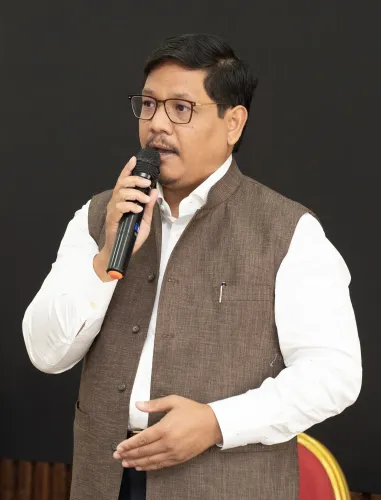
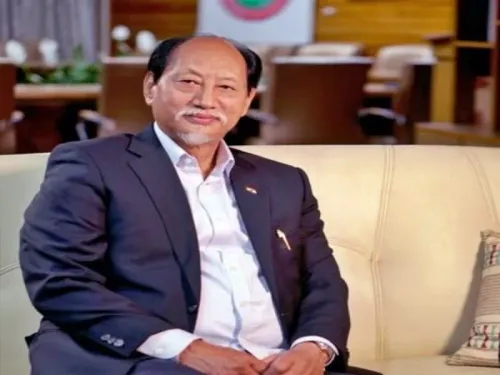
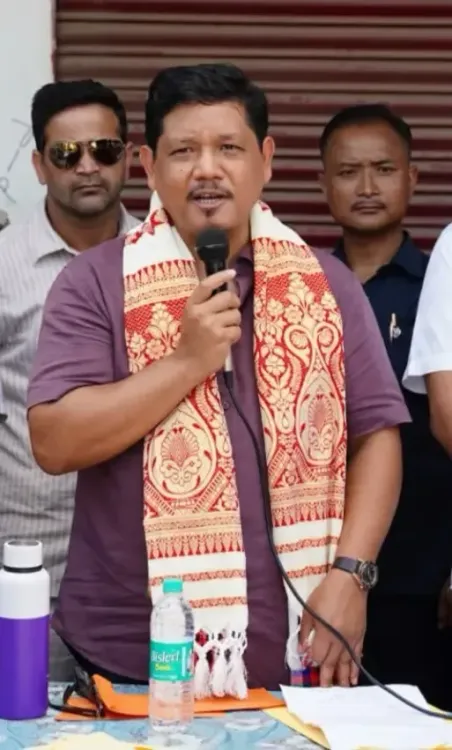
Meghalaya Chief Minister and National People's Party (NPP) national president Conrad K Sangma on Tuesday, 6 October 2026, acknowledged that the NPP was 'very upset' after its five MLAs in Nagaland merged with the ruling Naga People's Front (NPF), effectively wiping out the party's representation in the Nagaland Legislative Assembly. Sangma, however, insisted the setback would not break the party and called on NPP workers in Nagaland to hold firm.
Sangma's Response to the Setback
'We are definitely very upset with this, but we accept that in politics we have to face such situations,' Sangma told reporters. He framed the development as a routine feature of political life while signalling that the NPP intended to rebuild its organisation in Nagaland. 'This situation must ensure we come out stronger because of such challenges and not allow such challenges to break us down. NPP will move forward, recover from this and come out stronger,' he said.
How the Merger Unfolded
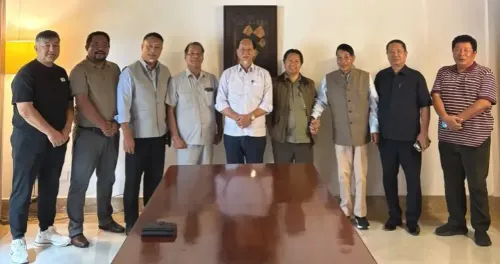
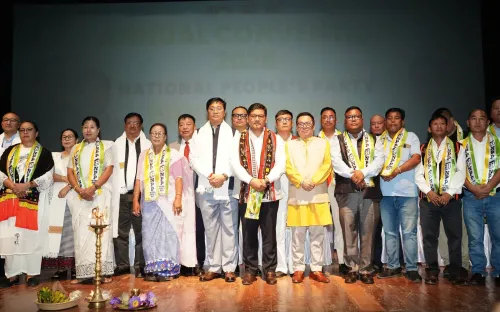
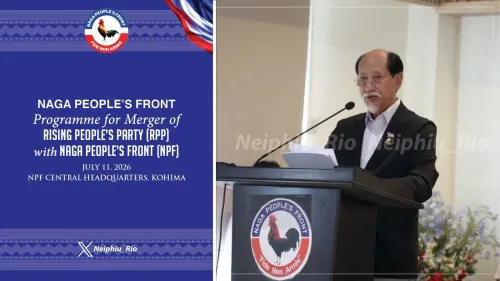
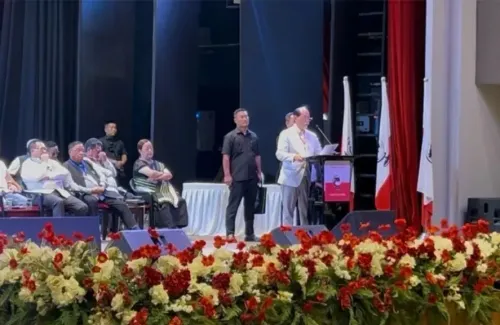
The five NPP legislators joined the NPF at a formal event held in Dimapur on the evening of 1 October, in the presence of Nagaland Chief Minister and NPF President Neiphiu Rio, NPF Secretary General Achumbemo Kikon, and other senior party leaders. The MLAs subsequently appeared before Nagaland Assembly Speaker Sharingain Longkumer and submitted the required merger documents.
On 1 October, Speaker Longkumer formally recognised the merger. Nagaland Legislative Assembly Secretary Khruohituonuo Rio issued a notification stating that the recognition was made in accordance with the provisions of the Tenth Schedule of the Constitution of India and the Members of Nagaland Legislative Assembly (Disqualification on Ground of Defection) Rules, 2019.
NPP's Place in the NDA Framework
Sangma was careful to reaffirm that the NPP remained a constituent of the Bharatiya Janata Party (BJP)-led National Democratic Alliance (NDA), continuing to back NDA governments across the Northeast. He noted, however, that the precise nature of political arrangements differed from state to state — an acknowledgement that the NPP's relationship with allies is not uniform across the region.
What This Means for the Northeast
The loss of all five Nagaland MLAs leaves the NPP without a single representative in the state Assembly, a significant blow in a region where the party has been expanding its footprint. This comes amid a broader pattern of anti-defection pressures and coalition realignments in smaller Northeast assemblies, where numerical minorities are often absorbed by ruling formations. Notably, the Tenth Schedule merger provision requires at least two-thirds of a legislature party's strength to merge without inviting disqualification — the NPP's entire Nagaland complement of five joined, satisfying that threshold. The episode is likely to prompt a strategic review by the party's central leadership ahead of upcoming electoral cycles in the Northeast.
Point of View
Where ruling formations can absorb opposition benches wholesale. Sangma's 'we will come back stronger' refrain is the standard playbook for leaders facing defection, but the structural problem is harder to paper over: without elected representatives, the NPP loses its bargaining leverage within the NDA precisely when the Northeast is emerging as a key electoral battleground. The Tenth Schedule's merger provision, designed to prevent opportunistic defections, in practice greenlights them when an entire legislative group moves together. That loophole continues to favour incumbent governments and deserves fresh scrutiny.
NationPress
7 Oct 2026
Frequently Asked Questions
Why did the five NPP MLAs in Nagaland merge with the NPF?
The five NPP MLAs joined the ruling Naga People's Front at an event in Dimapur on 1 October, though the specific reasons cited by the legislators were not detailed in available reports. The merger was formally recognised by the Nagaland Assembly Speaker under the Tenth Schedule of the Constitution.
What is the Tenth Schedule provision under which the merger was recognised?
The Tenth Schedule of the Constitution of India allows a merger of a legislature party without attracting disqualification if at least two-thirds of its members agree to join another party. Since all five NPP MLAs in Nagaland merged, the threshold was met and the Speaker formally recognised the merger under the Members of Nagaland Legislative Assembly (Disqualification on Ground of Defection) Rules, 2019.
What did Conrad Sangma say about the NPP's future in Nagaland?
Sangma said the NPP was 'very upset' but accepted the development as part of political reality. He urged party workers in Nagaland to remain united and vowed that the NPP would 'recover from this and come out stronger.'
Does the NPP still have a presence in the Northeast after the Nagaland setback?
Yes. The NPP continues to govern Meghalaya, where Sangma is Chief Minister, and remains part of the BJP-led NDA in the region. However, it now has no representation in the Nagaland Legislative Assembly following the merger of its entire state legislative group with the NPF.
Who is Neiphiu Rio and what role did he play in the merger?
Neiphiu Rio is the Chief Minister of Nagaland and president of the Naga People's Front. He was present at the Dimapur event on 1 October where the five NPP MLAs formally joined the NPF, signalling the ruling party's active role in facilitating the merger.