Odisha CM: Doctor's Compassion Is the True Service
Synopsis
The Chief Minister's Office of Odisha shared a message on June 8, 2026, honouring doctors as a 'second form of God' and calling medicine a sacred divine vow. The CM said no machine can replace a doctor's compassion, and that wiping a dying patient's tears is a doctor's greatest achievement.
Key Takeaways
The Chief Minister's Office of Odisha posted the message on June 8, 2026 , in the Odia language.
The Chief Minister called medicine 'not merely a profession or livelihood, but a sacred, divine vow.' Doctors were described as a 'second form of God,' responsible for keeping life safe between birth and death.
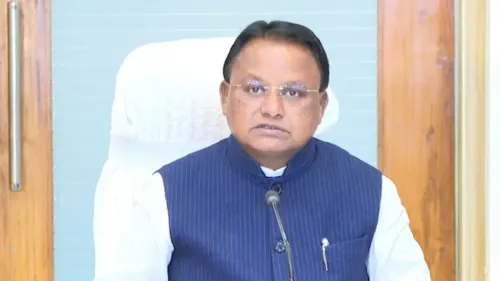
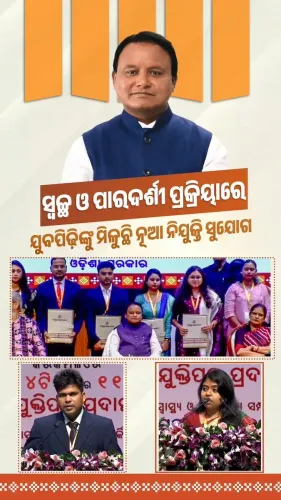
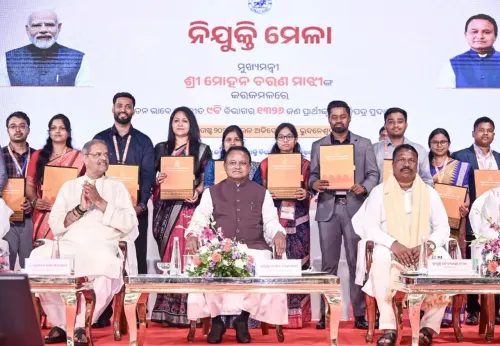
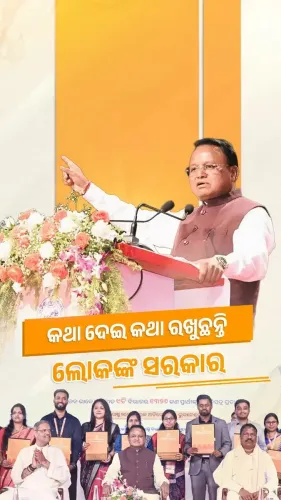
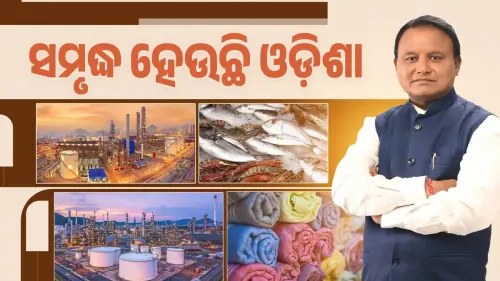
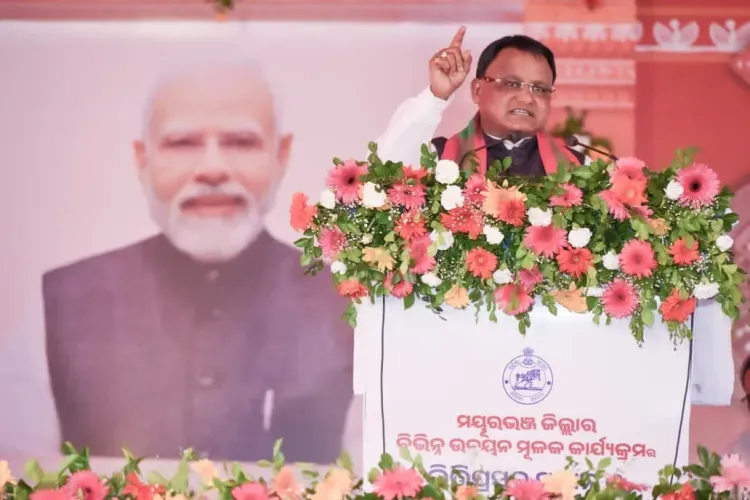
The post stated that 'no machine can understand a patient's suffering — only a doctor's compassion is true service.' The Chief Minister said the greatest achievement in a doctor's life is 'wiping the tears from the eyes of a dying patient.' The post was accompanied by four images , indicating a formal occasion or institutional event.
The Chief Minister's Office of Odisha shared a message from the Chief Minister on Monday, June 8, 2026, emphasising the ethical and spiritual dimensions of medical practice, calling medicine a 'sacred divine vow' rather than merely a profession or livelihood.
Quoting the Chief Minister directly, the post read: 'ଡାକ୍ତରୀ କେବଳ ଏକ ବୃତ୍ତି ବା ଜୀବିକା ନୁହେଁ, ଏହା ଏକ ପବିତ୍ର ଈଶ୍ୱରୀୟ ବ୍ରତ' — 'Medicine is not merely a profession or livelihood; it is a sacred, divine vow.' The accompanying headline phrase translated as: 'No machine can understand a patient's suffering — only a doctor's compassion is true service.'
Context
The message, posted in Odia, positions doctors as holding a responsibility that transcends technical skill. The Chief Minister stated that society regards doctors as a 'second form of God' because 'the responsibility of keeping life safe between birth and death rests in their hands.' The statement was accompanied by four images, suggesting it was tied to a formal occasion or event. The post further noted that 'the stethoscope and pen of a doctor hold immense power to bring positive change in society,' and that 'wiping the tears from the eyes of a dying patient is the greatest achievement in a doctor's life.'Policy Backdrop
Odisha has maintained a consistent pattern of public messaging that centres healthcare workers as pillars of social welfare delivery. State governments across India periodically issue statements reinforcing the ethical and compassionate dimensions of medical practice, alongside infrastructure investments in hospitals and medical education. Such messaging serves to publicly affirm the moral contract between the medical profession and the communities it serves. The framing of medicine as a 'divine vow' aligns with a broader Indian cultural and institutional tradition of venerating the doctor-patient relationship, one that has informed medical ethics discourse in policy circles for decades.Stakeholders and Impact
The message is directed at two primary groups: the medical community — doctors, residents, and medical students — and the general public, particularly patients and their families. For doctors, it is a public affirmation of their social standing and moral purpose. For patients, it reinforces an expectation of compassionate care beyond clinical treatment. Odisha's healthcare system, which serves a large rural and tribal population, depends heavily on the commitment of frontline medical workers. Public messaging of this nature can carry motivational weight in a system where doctor shortages and rural postings remain persistent challenges.What's Next
The statement may precede or follow state-level announcements related to medical education, doctor recruitment, or patient-care guidelines. Odisha has in recent years pursued expansion of medical infrastructure, and messages that publicly honour the medical profession often accompany or set the tone for policy action in the health sector. Observers will watch for follow-up announcements from the state government in the weeks ahead.Point of View
The CM signals that Odisha sees ethical commitment, not just infrastructure, as central to its health agenda. Such messaging often precedes or accompanies concrete policy moves in recruitment or medical education, making it worth watching as a signal rather than merely a ceremonial gesture. The choice of Odia as the language of delivery also underscores that the message is aimed at a domestic audience — doctors, patients, and families within the state.
NationPress
23 Oct 2026
Frequently Asked Questions
What did the Odisha Chief Minister say about doctors?
The Odisha Chief Minister said medicine is a 'sacred divine vow' and that a doctor's compassion — not machines — is true service to patients. The CM also called doctors a 'second form of God.'
Why did the Odisha CMO post a message about doctors in June 2026?
The exact occasion has not been officially specified, but the post was accompanied by four images suggesting a formal event. It is consistent with Odisha's pattern of public messaging that honours healthcare workers.
What does the Odisha CM mean by 'no machine can understand a patient's suffering'?
The Chief Minister was emphasising that compassion and human empathy from doctors are irreplaceable, even as medical technology advances. The statement underscores the ethical dimension of healthcare over purely technical or mechanical approaches.
What is the significance of calling medicine a 'divine vow' in Odisha's context?
Framing medicine as a divine vow draws on a deep Indian cultural tradition of venerating the doctor-patient relationship. In Odisha, where healthcare reaches rural and tribal communities, it also serves to motivate frontline medical workers who face challenging conditions.
Will Odisha announce new health policies following this message?
No specific announcement has been made yet, but such messages from the Chief Minister's Office often precede policy action in areas like doctor recruitment, medical education, or patient-care guidelines. Follow-up announcements are worth monitoring.