Odisha CM Majhi mobilises ODRAF, NDRF for flood relief
Synopsis
The Odisha CMO confirmed Chief Minister Mohan Majhi is directing a full-scale flood response: ODRAF and NDRF deployed to vulnerable zones, relief centres stocked, health centres on standby, and a 72-hour deadline set for farmer compensation after waters recede.
Key Takeaways
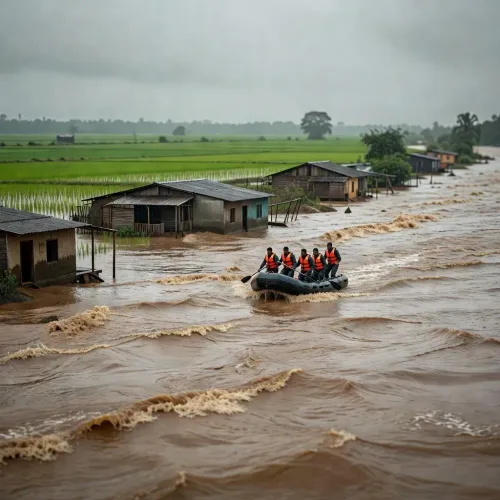
ODRAF, NDRF and fire services have been deployed to flood-vulnerable locations across Odisha for rescue and relief.
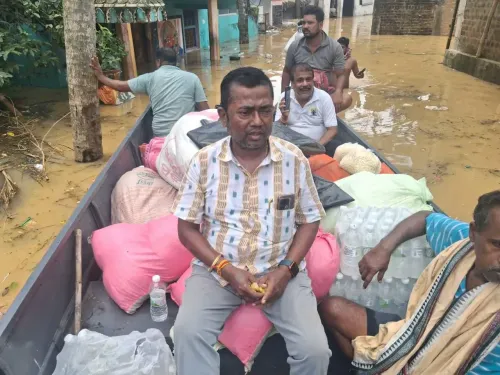
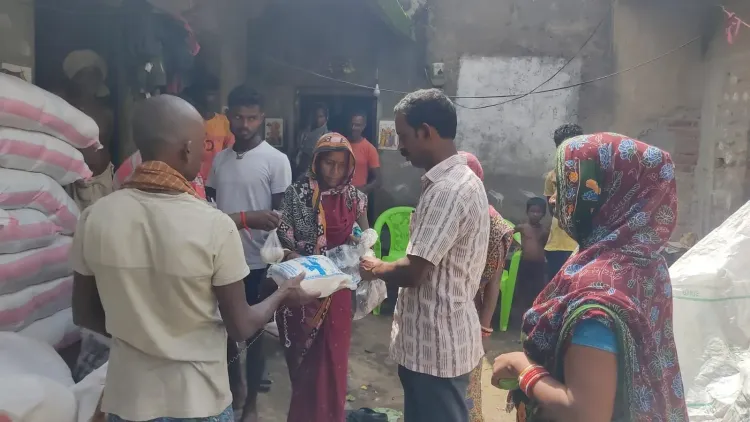
Relief centres are providing cooked food, dry rations, infant nutrition, cattle feed and healthcare services.
All primary health centres are stocked with anti-venom, bleaching powder and chlorine tablets; drinking water sources are being purified.
A 72-hour deadline post-recession has been set for joint Agriculture-Revenue assessment and disbursement of financial aid and short-duration seeds to affected farmers.
Damaged roads, bridges, schools and anganwadi centres are being repaired on a war footing.
The Mahanadi basin and coastal districts are under full alert, with all emergency services operational 24/7.
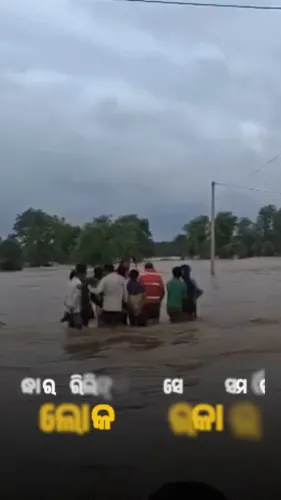
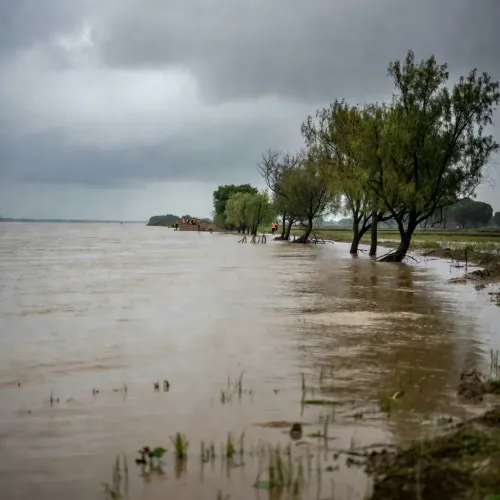
With floodwaters battering Odisha's coastal districts and the Mahanadi basin, the state government has shifted into emergency overdrive — accelerating rescue, relief and drainage operations across vulnerable zones. The Chief Minister's Office of Odisha confirmed on Friday, 31 July 2026 that Chief Minister Mohan Charan Majhi is personally directing a coordinated, ground-level response to the crisis.
Translated from Odia, the CMO's post states: 'Keeping the flood situation in the state in view, rescue, relief and water drainage operations are being accelerated. On the directions of Chief Minister Shri Mohan Majhi, the SRC, ministers, departmental officers and district collectors are working in coordination at ground zero. Protecting lives and property during the crisis, and ensuring aid reaches the last person in line, is the state government's priority.'
ODRAF, NDRF and fire services at the front line
The Odisha Disaster Rapid Action Force (ODRAF), the National Disaster Response Force (NDRF) and the state fire services have been deployed to the most vulnerable locations. Relief centres are stocked with cooked and dry food, infant nutrition, cattle feed, and dedicated healthcare services — a deliberate attempt to cover every demographic, from newborns to livestock.
All primary health centres have been directed to keep essential medicines, anti-venom, bleaching powder and chlorine tablets in readiness. Drinking water sources are being actively purified to head off the post-flood disease outbreaks — waterborne illness and snakebite — that historically follow inundation in the Mahanadi delta.
72-hour clock for farmer compensation
One of the sharpest commitments in the CMO's statement is a hard deadline: within 72 hours of floodwaters receding, a joint assessment by the Agriculture and Revenue departments will trigger immediate financial assistance and short-duration seeds for affected farmers. In a state where paddy cultivation dominates the rural economy, the speed of that post-flood window can determine whether a family salvages the kharif season or loses it entirely.
War-footing repairs are simultaneously underway on damaged roads, bridges, schools and anganwadi centres — the frontline childcare and nutrition hubs that double as community anchors in rural Odisha.
Mahanadi basin and coastal districts on full alert
The Special Relief Commissioner (SRC) is coordinating across departments, with all government emergency services running 24/7. Full vigilance has been declared across coastal districts and the Mahanadi catchment — a basin that has historically amplified monsoon flooding into humanitarian crises. The CMO's statement closed with a direct appeal to citizens: do not panic, follow official advisories, and maintain health precautions.
Odisha's disaster management architecture — built from the wreckage of the devastating 1999 super cyclone — has been stress-tested by successive monsoons. The creation of ODRAF and institutionalised pre-monsoon drills were direct legacies of that catastrophe. The question now is whether those systems, and the 72-hour farmer-relief commitment, can be executed at the pace the floodwaters demand.
Point of View
Nutrition, healthcare, water purification, infrastructure repair and a hard 72-hour farmer-compensation deadline — reflects Odisha's institutionalised disaster playbook, refined over two decades since the 1999 super cyclone. The explicit '72-hour' commitment to farmers is politically significant: kharif crop loss in the Mahanadi delta translates directly to rural distress, and a rapid seed-replacement window can blunt that damage before it becomes an agrarian crisis. CM Majhi's visible, named direction of the response also signals that the BJP-led state government is keen to own the relief narrative in a state where disaster management competence has historically been a key electoral asset.
NationPress
31 Jul 2026
Frequently Asked Questions
Which forces have been deployed for Odisha flood relief in 2026?
ODRAF (Odisha Disaster Rapid Action Force), NDRF (National Disaster Response Force) and the state fire services have been deployed to flood-vulnerable locations across Odisha on the directions of Chief Minister Mohan Majhi.
What relief is being provided at Odisha flood relief centres?
Relief centres are providing cooked food, dry rations, infant food, cattle feed and dedicated healthcare services to flood-affected residents.
Will Odisha farmers get compensation for flood crop damage?
Yes. The state government has directed that within 72 hours of floodwaters receding, the Agriculture and Revenue departments will conduct a joint assessment and disburse immediate financial assistance and short-duration seeds to affected farmers.
Which areas of Odisha are on flood alert?
The Mahanadi basin and coastal districts of Odisha are under full alert, with all government emergency services running around the clock.
What health precautions are being taken during the Odisha floods?
All primary health centres have been stocked with essential medicines, anti-venom, bleaching powder and chlorine tablets. Drinking water sources are being purified to prevent waterborne disease outbreaks.