Odisha CM Majhi Meets POSCO, JSW in Mumbai to Woo Investment
Synopsis
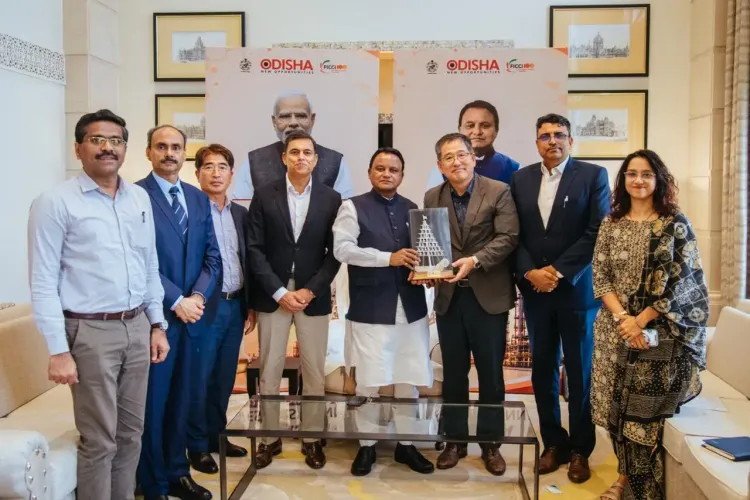
Odisha Chief Minister Mohan Charan Majhi held exploratory discussions with top leadership of POSCO and JSW Group in Mumbai on 23 October 2026, seeking fresh industrial investment and employment opportunities under the state's ongoing 'Invest in Odisha' drive.
Key Takeaways
CM Mohan Charan Majhi met POSCO and JSW Group leaders in Mumbai on 23 October 2026 .
POSCO had signed a 12 MTPA steel plant MoU at Paradip in 2005 but withdrew in 2017 over land and regulatory disputes.
JSW Group has existing interests in mineral-rich states and is seen as a natural expansion partner for iron-ore-rich Odisha.
The discussions are framed as exploratory — no investment figures or MoUs have been announced from the meeting.
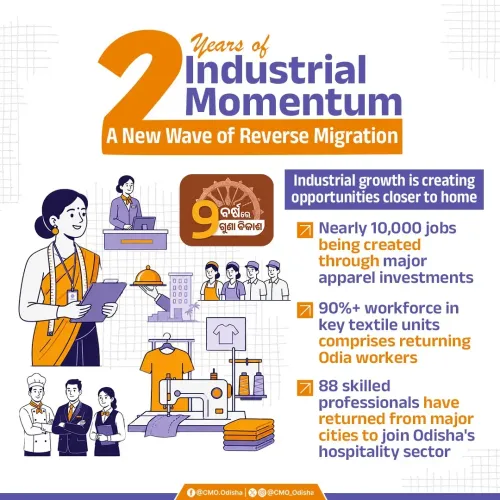
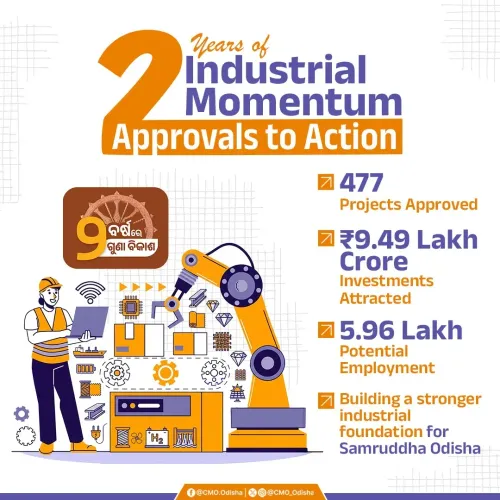
The outreach is part of Majhi's broader #InvestInOdisha and #SamruddhaOdisha industrial growth agenda since taking office in June 2024 .
Follow-up MoUs and their presentation at the next 'Make in Odisha' conclave are the key milestones to watch.
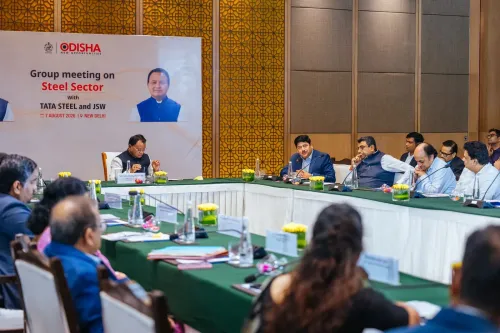
Steel boardrooms in Mumbai became the latest arena for Odisha's investment offensive on Friday, 23 October 2026, as Chief Minister Mohan Charan Majhi sat down separately with the leadership of POSCO and JSW Group to explore fresh opportunities in the state's industrial corridor. The Chief Minister's Office of Odisha confirmed the high-level discussions, framing them as a push to strengthen Odisha's industrial ecosystem, attract capital, and open new employment avenues.
Why POSCO and JSW — and Why Now
POSCO, the South Korean steel giant, carries a loaded history with Odisha. In 2005, the company signed a landmark MoU for a 12 MTPA integrated steel plant at Paradip — one of the largest proposed FDI deals in Indian history at the time. Land acquisition disputes, regulatory hurdles, and prolonged protests unravelled the project over a decade, and POSCO formally walked away in 2017. That the current government is back at the table with the same company signals an intent to reset that chapter.
JSW Group, the Sajjan Jindal-led Indian conglomerate, brings a different dynamic — it already operates in mineral-rich states and has demonstrated appetite for expansion in iron-ore-abundant geographies. Odisha, which sits atop some of India's richest iron ore belts, is a natural fit for JSW's upstream and downstream ambitions.
The 'Invest in Odisha' Playbook Under BJP
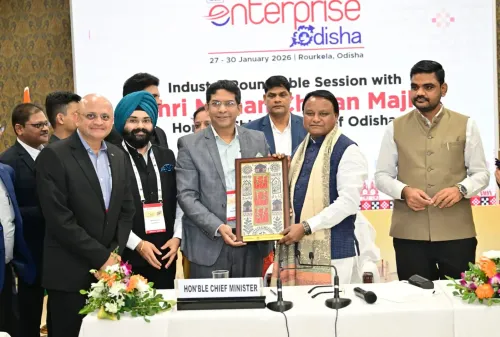
Odisha has run global investor summits before — notably in 2016 and 2022 — under the banner of attracting steel and manufacturing investment. CM Majhi, who took office in June 2024 after the BJP ended the long BJD era, has doubled down on that industrial template while also putting his own stamp on it through the #InvestInOdisha and #SamruddhaOdisha campaigns. The Mumbai outreach fits a pattern of targeted CEO-level diplomacy ahead of what is expected to be the next 'Make in Odisha' conclave.
The state's pitch rests on three pillars: mineral endowment, an expanding land-bank policy, and promises of single-window clearances for industrial projects. Addressing each of those was the chronic failure point in the original POSCO deal. Whether the same bottlenecks have been resolved — or can be — is the real test of these discussions.
What Comes After Mumbai
No investment figures or signed commitments from the 23 October meetings have been announced. The conversations were described as exploratory — mapping opportunities rather than sealing deals. The signal to watch is whether either company tables a formal project proposal or MoU in the weeks ahead, and how quickly Odisha can move on land, environment, and infrastructure clearances that have historically stalled large-scale steel investments in the state.
For a state with the mineral wealth to anchor an industrial revolution but a history of letting marquee deals slip through bureaucratic and political friction, the Mumbai meetings are a promising opening move. Whether they become a chapter or a footnote depends entirely on execution.
Point of View
The core structural problems — land acquisition, environmental clearances, and community displacement — remain and will determine whether these conversations produce results or add to Odisha's long list of announced-but-unexecuted mega-projects. The strategic timing, ahead of what appears to be a planned investor conclave, suggests the government is building a pipeline of commitments rather than banking on a single transformative deal.
NationPress
23 Oct 2026
Frequently Asked Questions
Why did CM Mohan Majhi meet POSCO and JSW in Mumbai?
CM Majhi held discussions with POSCO and JSW Group leadership to explore opportunities to attract industrial investment, strengthen Odisha's manufacturing base, and create employment under the state's 'Invest in Odisha' campaign.
What is POSCO's history with Odisha?
POSCO signed a major MoU in 2005 for a 12 MTPA integrated steel plant at Paradip, Odisha — one of India's biggest proposed FDI deals at the time. The project was eventually abandoned in 2017 after years of land acquisition disputes and regulatory hurdles.
Did Odisha sign any investment deal with POSCO or JSW in October 2026?
No formal MoU or investment commitment has been announced from the 23 October 2026 Mumbai meeting; the discussions were described as exploratory, focused on identifying future opportunities.
Who is Mohan Charan Majhi?
Mohan Charan Majhi is the Chief Minister of Odisha, representing the BJP-led government that came to power in June 2024, with a stated focus on industrial growth and investment attraction.
What is the Samruddha Odisha initiative?
'Samruddha Odisha' — meaning 'Prosperous Odisha' — is a vision campaign of the Odisha government aimed at accelerating economic growth, industrial investment, and employment creation in the state.