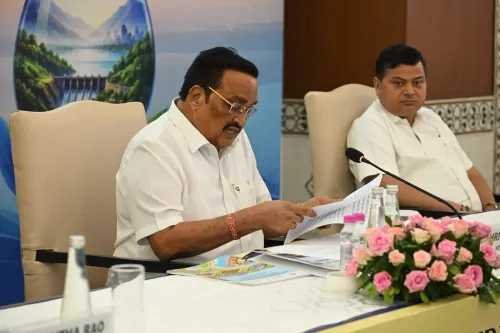
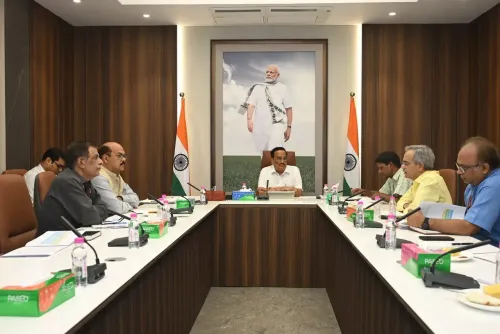
Jal Shakti Minister Paatil Reviews NDSA Dam Safety Work
Synopsis
Union Jal Shakti Minister C. R. Paatil reviewed the National Dam Safety Authority's activities on October 23, 2026, underlining ministerial oversight of India's statutory dam safety framework established under the Dam Safety Act, 2021, which covers over 5,000 large dams nationwide.
Key Takeaways
Union Jal Shakti Minister C.
Paatil conducted a review of the National Dam Safety Authority (NDSA) on October 23, 2026 .
The NDSA was established under the Dam Safety Act, 2021 — India's first unified legislative framework for dam safety regulation.
The authority oversees surveillance, inspection and maintenance protocols for more than 5,000 large dams across India.
Both state governments and central dam operators fall under the NDSA's regulatory mandate.
Ministerial reviews serve as a key accountability mechanism to ensure field-level compliance beyond policy formulation.
Parliamentary scrutiny of NDSA compliance and state-level dam safety audits remains a key watch item ahead.
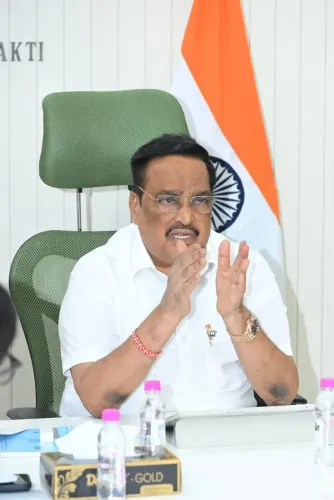
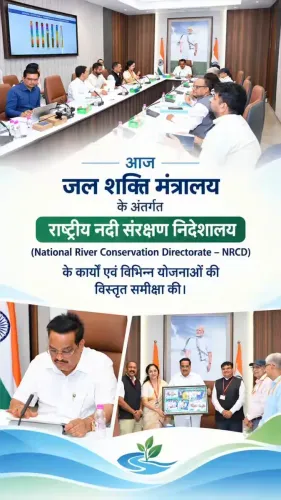
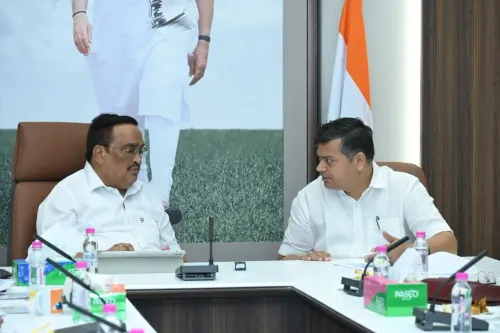
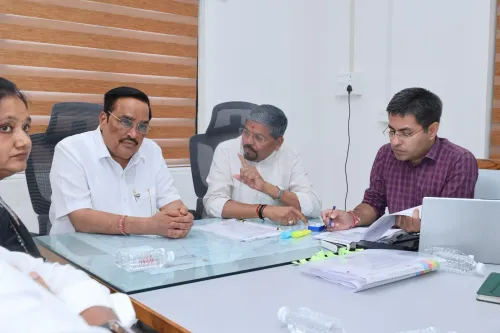
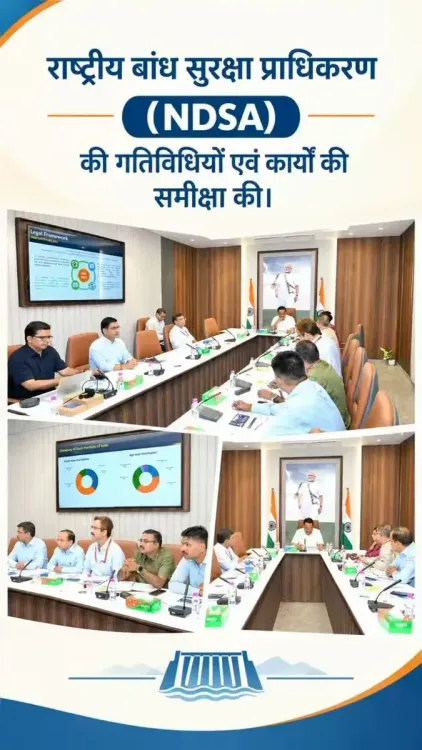
India's dam safety oversight got a ministerial spotlight on Friday, October 23, 2026, as Union Jal Shakti Minister C. R. Paatil conducted a comprehensive review of the activities and functions of the National Dam Safety Authority (NDSA) — the statutory body charged with keeping watch over thousands of ageing structures that hold back the water India depends on.
Posting a glimpse of the review on X, Paatil wrote in Hindi: 'राष्ट्रीय बांध सुरक्षा प्राधिकरण (NDSA) की गतिविधियों एवं कार्यों की समीक्षा की, एक झलक।' — 'A review of the activities and functions of the National Dam Safety Authority (NDSA) — a glimpse.'
What the NDSA Actually Does — and Why It Matters
The NDSA is no ordinary administrative body. It was born out of the Dam Safety Act, 2021, legislation that for the first time gave India a unified national framework to regulate the surveillance, inspection and maintenance of dams owned by both state governments and central agencies. The trigger was stark: India has more than 5,000 large dams, many of them ageing, spread across states that do not always coordinate seamlessly. A structural failure upstream does not respect state borders — the flood downstream does not either. Before the 2021 Act, dam safety oversight was piecemeal, left largely to individual state departments with uneven capacity and political will. The NDSA changed that equation by creating a central authority empowered to set protocols, direct inspections and hold operators accountable across jurisdictions.Ministerial Reviews as Administrative Accountability
Routine ministerial reviews of the NDSA represent the institutional heartbeat of this framework — the mechanism by which the Jal Shakti Ministry ensures that the authority is not only drawing up protocols on paper but executing them on the ground. Such reviews typically examine inspection timelines, state compliance, identification of distressed structures and inter-agency coordination progress. They matter particularly at a time when India's water infrastructure faces compounding stress: erratic monsoons, rising reservoir levels driven by climate variability and populations increasingly dependent on dam-regulated irrigation and drinking water systems. A missed inspection or delayed maintenance report is not a bureaucratic lapse — it is a potential disaster in slow motion. With parliamentary scrutiny of NDSA compliance reports and any state-level dam safety audits on the horizon, the minister's visible engagement with the authority signals continued political ownership of an issue that rarely makes front pages — until something goes wrong.Point of View
2021 was itself a major centralization of regulatory authority, and consistent ministerial attention is what converts legislative intent into operational compliance. With aging dam stock and climate-driven hydrological stress rising simultaneously, this oversight arc carries genuine long-term consequence. Whether these reviews translate into measurable improvements in inspection frequency and state compliance rates is the question Parliament and civil society will increasingly press.
NationPress
23 Oct 2026
Frequently Asked Questions
What is the National Dam Safety Authority (NDSA)?
The National Dam Safety Authority is a statutory body established under the Dam Safety Act, 2021. It is responsible for regulating the surveillance, inspection and maintenance of large dams across India owned by both state and central agencies.
What does the Dam Safety Act, 2021 mandate?
The Dam Safety Act, 2021 created the NDSA and laid down safety protocols for more than 5,000 large dams in India. It established, for the first time, a unified national framework for dam safety regulation, covering inter-state coordination and mandatory inspection standards.
Why did C. R. Paatil review the NDSA?
As Union Jal Shakti Minister, C. R. Paatil holds administrative oversight of the NDSA. Ministerial reviews assess the authority's on-ground activities, inspection progress and compliance by state dam operators against the protocols mandated under the 2021 Act.
How many dams does India have and why is safety a concern?
India has over 5,000 large dams, many of them ageing structures. Structural vulnerabilities, erratic monsoons and growing populations dependent on dam-regulated water supplies have made systematic safety oversight increasingly critical.
What should we watch for next regarding NDSA?
Key indicators to watch include the release of NDSA annual compliance reports and any state-level dam safety audit findings tabled in Parliament, which will show whether ministerial oversight is translating into measurable field-level improvements.