Odisha CMO pushes dairy schemes to double milk output
Synopsis
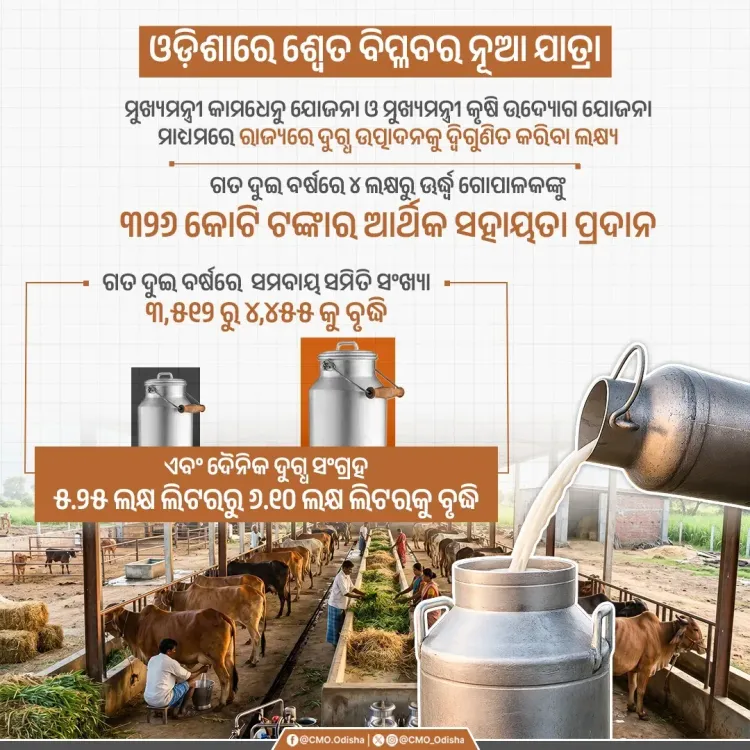
The Chief Minister's Office of Odisha on June 1, 2026, highlighted state efforts to double milk production through the Mukhya Mantri Kamadhenu Yojana and Mukhya Mantri Krushi Udyog Yojana, framing dairy development as central to strengthening the rural economy.
Key Takeaways
The Chief Minister's Office of Odisha posted on June 1, 2026 , reaffirming the state's focus on rural economic development.
Two flagship schemes — Mukhya Mantri Kamadhenu Yojana and Mukhya Mantri Krushi Udyog Yojana — are the primary vehicles for dairy growth.
The stated goal is to double milk production in the state through continuous, ongoing efforts.
Dairy farmers and rural households are the direct beneficiaries of both schemes.
The initiative is framed as a state-driven effort to diversify Odisha's rural economy beyond mining and industry.
Progress on physical and financial targets under both schemes is expected to be reviewed in the next state budget session .
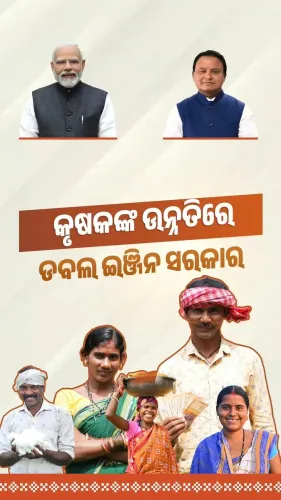
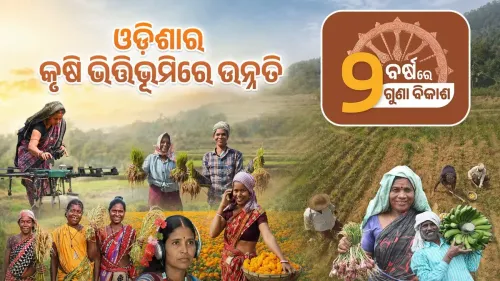
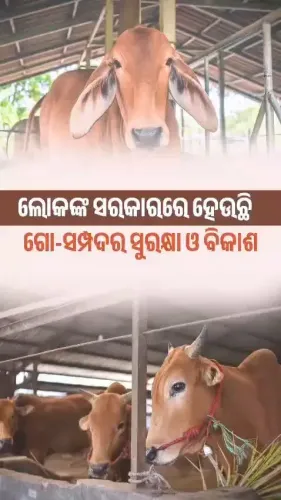
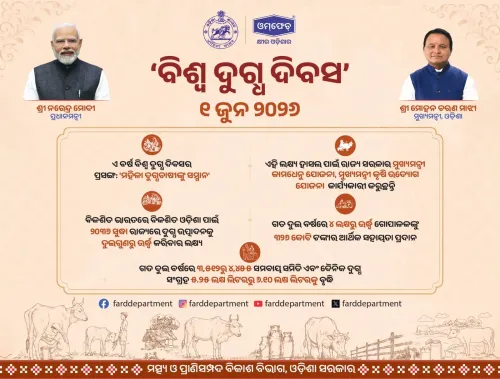
The Chief Minister's Office of Odisha on Monday, June 1, 2026, reaffirmed the state government's commitment to strengthening Odisha's rural economy by prioritising the doubling of milk production through two flagship livestock schemes.
Posting in Odia, the CMO stated: 'ରାଜ୍ୟର ଅର୍ଥନୈତିକ ସ୍ଥିତିକୁ ସୁଦୃଢ଼ କରିବା ସହ ଗ୍ରାମାଞ୍ଚଳର ବିକାଶକୁ ଅଗ୍ରାଧିକାର ଦେବା ଲକ୍ଷ୍ୟରେ' — 'with the aim of strengthening the state's economic condition and prioritising rural development, the state government has taken firm steps.' The post specifically named the 'Mukhya Mantri Kamadhenu Yojana' and the 'Mukhya Mantri Krushi Udyog Yojana' as the vehicles through which continuous work to double milk production is under way.
Context
Odisha is an eastern Indian state with a large rural population for whom agriculture and livestock form a significant share of livelihoods. Dairy farming, while historically underdeveloped relative to states such as Gujarat or Punjab, has been identified by successive Odisha governments as a lever for rural income growth. The CMO's post signals that this push remains an active policy priority in 2026. The Mukhya Mantri Kamadhenu Yojana supports dairy farmers through cattle-rearing assistance and infrastructure development aimed directly at raising milk output. The Mukhya Mantri Krushi Udyog Yojana takes a complementary approach, promoting agri-entrepreneurship and value addition in rural areas through subsidies and training — helping farmers move up the dairy value chain rather than remaining at the primary production stage.Policy Backdrop
Odisha has run successive livestock and dairy development programmes since the 2010s under state plans aimed at raising per capita milk availability. The current twin-scheme approach reflects a broader state strategy to diversify the rural economy beyond its dependence on mining and industry, using animal husbandry as a reliable, low-capital entry point for rural households. The emphasis on doubling milk production aligns with national livestock policy directions that encourage states to set measurable output targets. However, the CMO's post does not reference any direct linkage to a central government scheme, presenting the effort as a state-driven initiative.Stakeholders and Impact
The primary beneficiaries of both schemes are dairy farmers and rural households across Odisha. For smallholder farmers, cattle-rearing support under the Mukhya Mantri Kamadhenu Yojana can reduce the capital barrier to expanding herd size, while the agri-entrepreneurship focus of the Mukhya Mantri Krushi Udyog Yojana creates pathways for value-added activities such as processing and marketing — activities that typically yield higher margins than raw milk sales. A sustained rise in milk production would also have downstream effects on rural employment, nutrition indicators, and the state's gross state domestic product from the agriculture and allied sectors segment.What's Next
The government's stated goal of doubling milk production will be tested against physical and financial targets when Odisha's next state budget session takes up mid-term reviews of these schemes. Progress on cattle distribution, infrastructure creation, and actual milk output figures will be the metrics to watch. Any significant shortfall or achievement against baseline numbers is likely to shape the policy conversation around rural welfare and livestock development in the state's planning cycle ahead.Point of View
Verifiable target that sets a clear benchmark against which the administration will be judged. The twin-scheme model, pairing direct cattle support with agri-entrepreneurship incentives, reflects a maturing approach to livestock policy that moves beyond input subsidies toward value-chain development. Whether the state can sustain the institutional capacity and budget allocation to meet this goal will define the credibility of its rural economy agenda in the coming legislative cycle.
NationPress
18 Oct 2026
Frequently Asked Questions
What is the Mukhya Mantri Kamadhenu Yojana in Odisha?
The Mukhya Mantri Kamadhenu Yojana is an Odisha state scheme that supports dairy farmers through cattle-rearing assistance and infrastructure development, with the goal of increasing milk production in the state.
What is the Mukhya Mantri Krushi Udyog Yojana?
The Mukhya Mantri Krushi Udyog Yojana is an Odisha government initiative that promotes agri-entrepreneurship and value addition in rural areas through subsidies and training, helping farmers benefit from processing and marketing activities beyond raw milk sales.
What is Odisha's goal for milk production under these schemes?
The Odisha government's stated goal is to double milk production in the state through continuous work under the Mukhya Mantri Kamadhenu Yojana and Mukhya Mantri Krushi Udyog Yojana.
Who benefits from Odisha's dairy development schemes?
Dairy farmers and rural households across Odisha are the primary beneficiaries, with potential downstream gains in rural employment, nutrition, and the state's agricultural GSDP.
Is Odisha's dairy scheme linked to a central government programme?
Based on the CMO's post, the effort is presented as a state-driven initiative. No direct linkage to a specific central government scheme has been mentioned in connection with these two Odisha schemes.