Odisha CMO Pushes Mahanadi Greening, State-Wide Afforestation

Synopsis
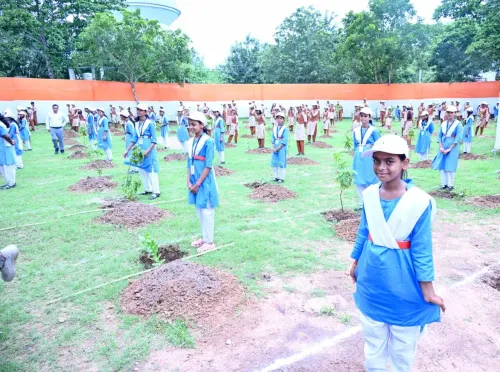
The Chief Minister's Office of Odisha on 7 July 2026 announced a coordinated, state-wide plantation drive prioritising river rejuvenation along the Mahanadi and increased forest density, calling environmental protection the government's primary commitment.
Key Takeaways
The Chief Minister's Office of Odisha announced a comprehensive, multi-department plantation drive on 7 July 2026 .
The drive targets river rejuvenation , afforestation, and increased forest density across the state.
The Mahanadi riverbank corridor is the starting point, with the programme extending state-wide.
Environmental protection and green cover expansion are declared the primary priority of the Odisha government.
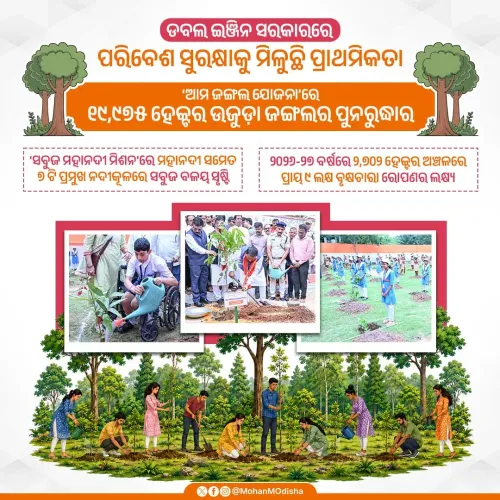
The initiative builds on earlier schemes including the Green Mahanadi Mission (2017-18) and Ama Jungle Yojana (2016) .
Monsoon 2026 is the key implementation window, with post-monsoon survival rates serving as the critical success metric.
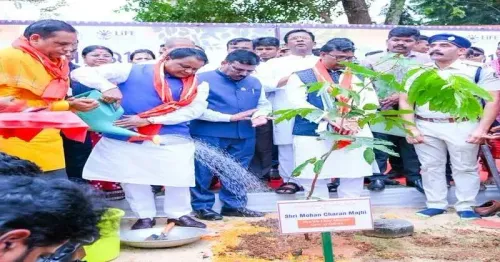
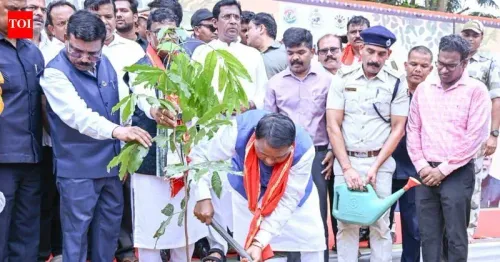
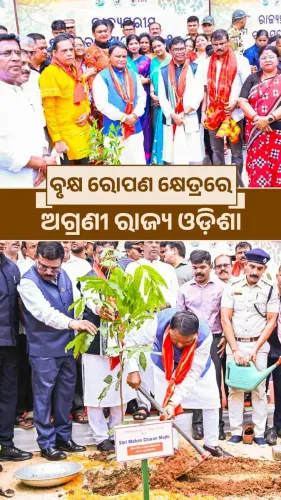
The Chief Minister's Office of Odisha announced on Tuesday, 7 July 2026 that a comprehensive plantation drive is under way across the state, coordinated across multiple government departments, with river rejuvenation, afforestation, and increased forest density as its core objectives. The initiative prioritises the Mahanadi riverbank corridor as a starting point before extending greening efforts to the rest of Odisha.
The official post, in Odia, stated: 'ନଦୀ ନବୀକରଣ, ବନୀକରଣ ଏବଂ ଜଙ୍ଗଲର ସାନ୍ଦ୍ରତା ବୃଦ୍ଧି ପାଇଁ ବିଭିନ୍ନ ବିଭାଗର ସମନ୍ୱୟରେ ବ୍ୟାପକ ବୃକ୍ଷରୋପଣ କାର୍ଯ୍ୟକ୍ରମ ଆଗେଇ ଚାଲିଛି' — 'An extensive plantation programme is moving forward through coordination across various departments for river rejuvenation, afforestation, and increasing forest density.' The post added that environmental protection and expanding green cover — from Mahanadi's banks to the entire state — is the 'primary priority of the people's government,' and that a 'green, prosperous and environment-friendly Odisha will be built through the collective efforts of all.'
Context
The Mahanadi is Odisha's principal river system, sustaining agriculture, drinking water supply, and biodiversity across several districts. Riverbank ecosystems along the Mahanadi have faced pressure from encroachment, sand mining, and erratic monsoon patterns, making targeted plantation a dual-purpose intervention — ecological restoration and climate resilience.
The Odisha Forest Department is the primary executing agency for afforestation and forest-density improvement programmes in the state. The emphasis on inter-departmental coordination signals that line ministries beyond forests — including water resources, revenue, and rural development — are being brought into a unified framework for this drive.
Policy Backdrop
Odisha launched the Green Mahanadi Mission in 2017-18 to restore riverine ecosystems through large-scale plantations along the Mahanadi and its tributaries. The state also implemented Ama Jungle Yojana from 2016 onwards, a community-based scheme to raise and protect forests outside recorded forest areas, bringing local households into active stewardship roles.
These efforts sit within India's national commitment to expand forest and tree cover to 33 percent of geographical area, as well as the Green India Mission under the National Action Plan on Climate Change. Odisha's integrated, basin-level approach to plantation — tying river health to forest density targets — mirrors a broader shift in state environmental governance seen across India in recent years.
Stakeholders and Impact
Riverbank communities along the Mahanadi corridor stand to benefit most directly, with denser vegetation reducing soil erosion, moderating flood intensity, and improving groundwater recharge. Forest-dependent households across the state are also key stakeholders, as higher forest density translates into greater availability of non-timber forest produce and livelihood support.
Agricultural districts that draw irrigation from Mahanadi tributaries could see secondary benefits through improved watershed health. The multi-department coordination model, if sustained, would reduce the siloed execution that has historically limited the impact of state plantation drives.
What's Next
The monsoon season of 2026 is the critical window for ground-level plantation activity, as soil moisture conditions during the rainy months are optimal for seedling survival. Observers will watch whether the Odisha government announces specific targets — in terms of saplings planted or hectares covered — and whether supplementary budget provisions are made for the Forest and Environment Department in the next assembly session.
The success of this inter-departmental drive will ultimately be measured not by planting figures alone, but by survival rates and the long-term increase in green cover along the Mahanadi basin and beyond — a metric that will come into sharper focus in post-monsoon assessments later in 2026.
Point of View
The government taps into the river's deep cultural and economic resonance in Odisha, lending the initiative popular legitimacy beyond bureaucratic targets. This approach fits a broader pattern among state governments of using river-linked environmental programmes to simultaneously address ecological degradation and climate adaptation, while generating visible, communicable policy wins. The emphasis on collective effort also signals an attempt to mobilise community participation, echoing the model established under Ama Jungle Yojana.
NationPress
6 Oct 2026
Frequently Asked Questions
What is the Odisha government's new plantation drive about?
The Chief Minister's Office of Odisha announced on 7 July 2026 that a comprehensive, multi-department plantation programme is under way to achieve river rejuvenation, afforestation, and increased forest density, starting from the Mahanadi riverbank and extending across the state.
What is the Green Mahanadi Mission?
The Green Mahanadi Mission was launched by Odisha in 2017-18 to restore riverine ecosystems through large-scale tree plantations along the Mahanadi and its tributaries, forming the policy foundation for the current drive.
Which departments are involved in Odisha's afforestation drive?
The Chief Minister's Office indicated that multiple government departments are being coordinated for the drive, with the Odisha Forest Department as the primary executing agency, alongside departments such as water resources, revenue, and rural development.
How does Odisha's plantation drive connect to India's national forest targets?
Odisha's programme aligns with India's national goal of expanding forest and tree cover to 33 percent of geographical area and the Green India Mission under the National Action Plan on Climate Change.
When is the best time for tree plantation in Odisha and why does monsoon matter?
The monsoon season — typically June to September — is the optimal window for plantation in Odisha because soil moisture levels significantly improve seedling survival rates, making 2026's rainy months critical for the success of this drive.