Odisha CMO salutes the seva behind Rath Yatra 2026
Synopsis
The Chief Minister's Office of Odisha on 2 August 2026 acknowledged the collective effort of officials, volunteers, healthcare workers, sanitation staff and security forces who ensured the smooth conduct of Rath Yatra 2026 in Puri, calling it 'remarkable dedication, coordination and selfless service.'
Key Takeaways
The Chief Minister's Office of Odisha posted a tribute on 2 August 2026 honouring all personnel who served during Rath Yatra 2026 .
The post recognised officials, frontline workers, volunteers, healthcare teams, sanitation personnel and security forces collectively.
The Rath Yatra in Puri is one of India's largest annual religious gatherings, requiring extensive multi-departmental state coordination.
The CMO framed the state's role as an enabler of faith, spotlighting collective service rather than individual or departmental credit.
The Odisha Government has managed large-scale Rath Yatra logistics for decades, refining crowd control, health and sanitation protocols over successive editions.
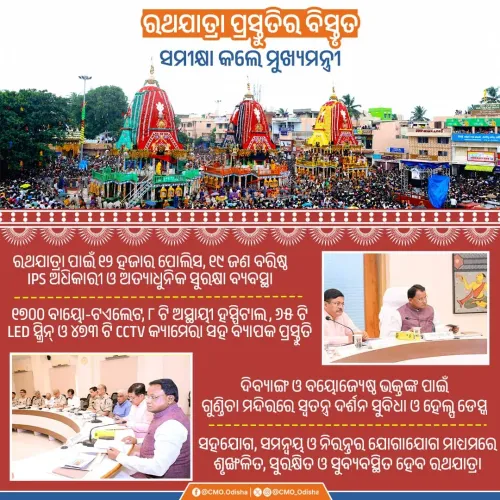
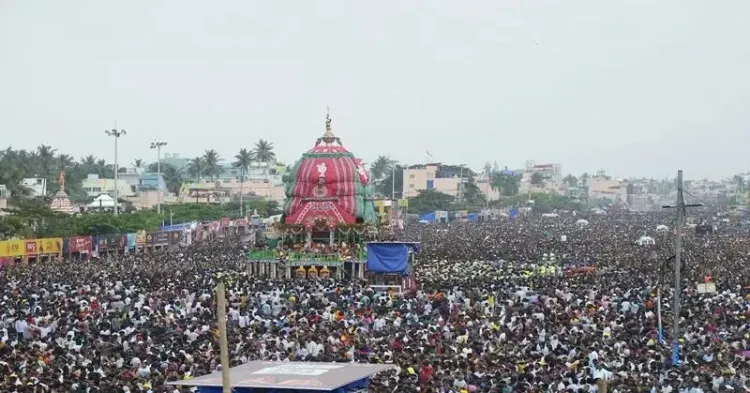
Millions came to pray — but thousands made it possible. The Chief Minister's Office of Odisha on Sunday, 2 August 2026 paid tribute to the vast, largely invisible machinery of officials, volunteers, healthcare workers, sanitation crews and security forces whose round-the-clock service kept Rath Yatra 2026 in Puri running without a hitch.
The CMO's post, shared at 2:44 PM IST, carried the message: 'While millions prayed, thousands served' — a line that captures the dual reality of the festival: the devotion of the pilgrims and the quiet, exhausting labour of those who held the event together. It pointed readers to a detailed account of the coordination effort, describing it as 'the remarkable story of dedication, coordination and selfless service that kept the sacred Rath Yatra moving.'
The scale of the machine behind the chariot
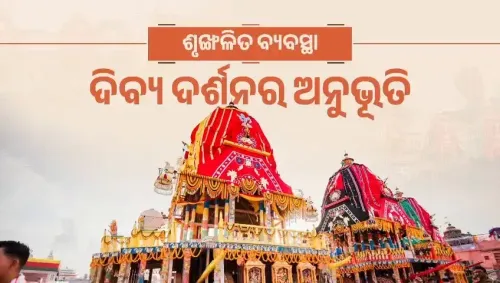
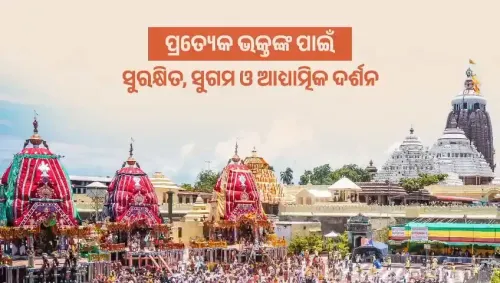
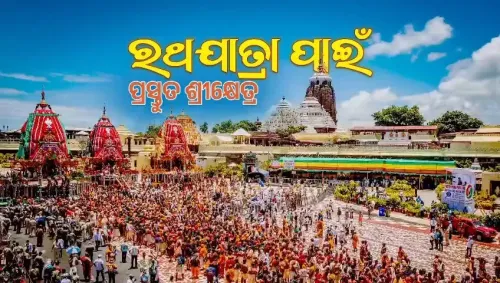
The Rath Yatra is among India's largest annual religious gatherings, centred on the Jagannath Temple in Puri, a coastal city in Odisha. The procession of Lord Jagannath, his brother Balabhadra and sister Subhadra on massive wooden chariots draws pilgrims from across the country and beyond. Managing that tide of humanity demands a multi-departmental state effort: crowd control, medical camps, sanitation corridors, and real-time coordination across agencies — all of it invisible to the devotee absorbed in prayer. The Odisha Government has treated the festival as a priority public-order and public-health exercise for decades. Successive administrations have refined standard operating procedures, expanded health infrastructure along the procession route and deployed thousands of personnel to manage entry, exit and emergency response. The 2026 edition appears to have continued that tradition at scale.Why the CMO's acknowledgement matters
Government tributes to frontline workers during large events are not new, but they carry weight when they come from the Chief Minister's Office directly — signalling institutional recognition of ground-level service rather than leaving it to departmental press notes. The post names no single official or scheme; it deliberately casts the spotlight on the collective: volunteers, healthcare teams, sanitation personnel and security forces together. That framing is deliberate and worth noting — it positions the state as an enabler of faith, not a claimant of credit. With Rath Yatra 2027 preparations likely to begin in the months ahead, the question is whether this edition's coordination model will be codified — updated crowd-management protocols, expanded medical posts, or new volunteer frameworks that can absorb an even larger gathering next year.Point of View
Faith-sensitive administration. By centering 'seva' as the governing frame, it aligns government service with the devotional vocabulary of the event itself, a soft but deliberate branding choice. The acknowledgement of volunteers and sanitation workers alongside security forces also reflects a broader pattern in Indian state communication: expanding the circle of visible credit to include non-uniformed ground staff. As Odisha positions itself as the custodian of Jagannath culture on the national stage, such communications are as much about identity as they are about gratitude.
NationPress
2 Aug 2026
Frequently Asked Questions
What is Rath Yatra and where is it held?
Rath Yatra is the annual chariot festival of Lord Jagannath held in Puri , Odisha. The procession carries the deities Jagannath, Balabhadra and Subhadra on large wooden chariots through the city, drawing millions of devotees each year.
What did the Odisha CMO post about Rath Yatra 2026?
On 2 August 2026 , the Chief Minister's Office of Odisha posted a tribute acknowledging the 'tireless seva' of officials, volunteers, healthcare teams, sanitation personnel and security forces who ensured the smooth conduct of Rath Yatra 2026 .
Who manages the logistics of Rath Yatra in Puri?
The Odisha Government coordinates a multi-departmental effort covering crowd control, medical camps, sanitation and security for the Rath Yatra. State administrations have managed these large-scale logistics for decades.
How many people attend Rath Yatra in Puri?
The Rath Yatra in Puri draws millions of pilgrims annually, making it one of India's largest religious gatherings. Specific attendance figures for the 2026 edition have not been officially confirmed.
What is the significance of volunteers and sanitation workers at Rath Yatra?
Volunteers and sanitation personnel form a critical but often overlooked part of the Rath Yatra's operation, maintaining hygiene, managing crowds and supporting pilgrims along the procession route. The CMO's 2026 post specifically highlighted their contribution alongside security and healthcare teams.