Odisha CMO: Vet Teams Reach Flood-Hit Villages for Free Livestock Care
Synopsis
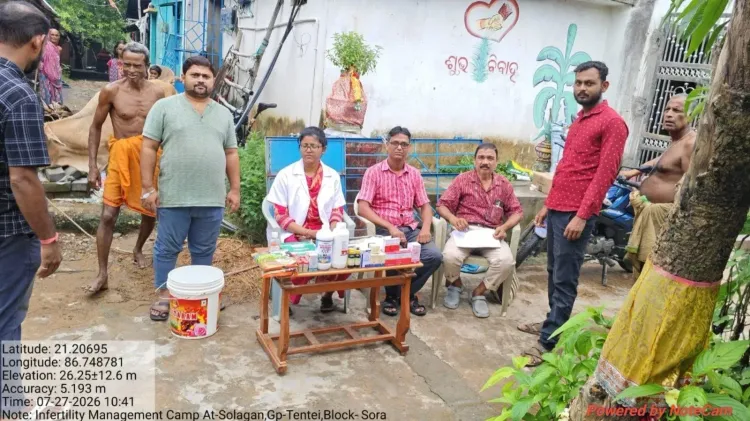
The Chief Minister's Office of Odisha announced on July 31, 2026 that veterinary teams are being deployed to flood-affected villages to provide free health check-ups, treatment, and medicines for livestock, protecting rural livelihoods alongside human safety during the ongoing flood situation.
Key Takeaways
The Chief Minister's Office of Odisha confirmed veterinary teams are actively reaching flood-affected villages as of July 31, 2026 .
Services include free health check-ups, treatment, and essential medicines for livestock at no cost to owners.
A key objective is preventing the spread of diseases among animals in inundated areas.
The deployment builds on protocols established after the 1999 super cyclone , when Odisha formally integrated livestock care into disaster relief.
The initiative targets rural farmers and livestock owners whose livelihoods depend directly on animal health.
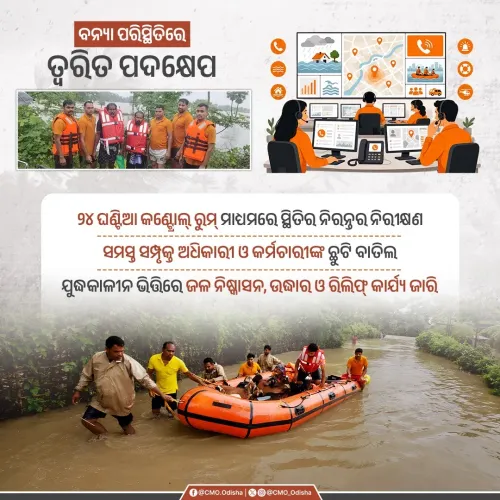
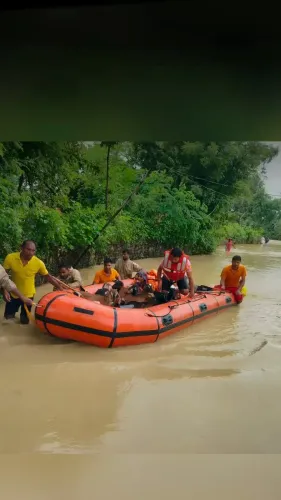
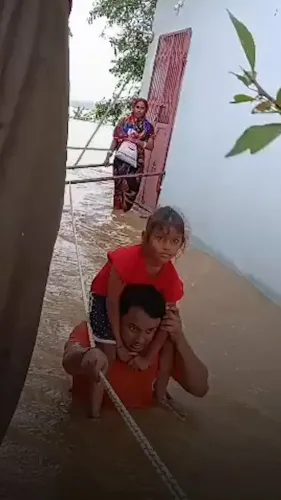
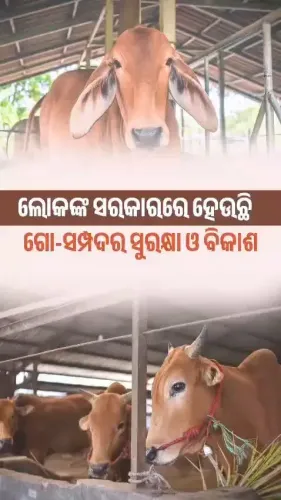
When floodwaters rise in Odisha, the crisis does not stop at the farmhouse door — it walks straight into the cattle shed. The Chief Minister's Office of Odisha confirmed on Friday, July 31, 2026 that veterinary teams have been deployed to flood-affected villages to provide free health check-ups, treatment, and essential medicines for livestock, placing animal welfare on equal footing with human safety in the state's disaster response.
Vets in the villages: what the deployment looks like
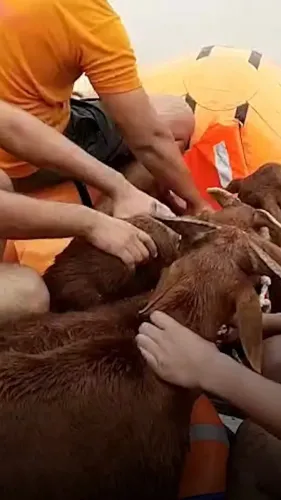
The CMO stated that teams are 'reaching affected villages to provide free health check-ups, treatment and essential medicines for livestock, ensuring timely medical care and preventing the spread of diseases.' The dual mandate — treating sick animals and containing disease spread — reflects a hard-learned lesson from Odisha's long history with seasonal flooding. When livestock fall ill or die in large numbers, the ripple effect on rural household income can outlast the flood itself by months.
Why livestock relief is built into Odisha's disaster playbook
This is not an improvised gesture. After the devastating 1999 super cyclone, Odisha systematically strengthened its State Disaster Management Authority protocols to include animal health support as a formal component of relief operations. The logic is straightforward: in agriculture-dependent districts, a farmer's cattle or goats are often their primary productive asset. Losing them to flood-related disease can push a family from a temporary crisis into lasting poverty.
The state has since routinely embedded veterinary response into its flood operations, aiming to limit the secondary economic damage that typically follows inundation — a model that treats livelihood protection and life protection as inseparable.
The wider commitment: 'We stand with every citizen'
The CMO's post closed with a direct pledge: 'We stand with every citizen and remain committed to providing all essential support.' The framing — livestock owners and rural farmers named alongside the general public — signals that the government is conscious of the constituency most exposed when rivers breach their banks: the smallholder farming communities of Odisha's low-lying districts.
Deployment reports from veterinary teams in specific affected districts, and any subsequent updates on disease surveillance or livestock compensation measures, will be the real test of how far this commitment reaches on the ground.
Point of View
Secondary losses from livestock disease can be as economically devastating as the flood itself. The CMO's announcement reinforces a post-1999 institutional shift in Odisha's disaster management: treating economic resilience as a core pillar of humanitarian response, not an afterthought. Whether the deployment reaches the most remote affected pockets will determine if the commitment translates into measurable livelihood protection this season.
NationPress
31 Jul 2026
Frequently Asked Questions
What is Odisha government doing for livestock during the 2026 floods?
The Odisha government has deployed veterinary teams to flood-affected villages to provide free health check-ups, treatment, and essential medicines for livestock, aiming to prevent disease spread and protect the livelihoods of animal owners.
Are livestock health check-ups free during Odisha floods?
Yes, the Chief Minister's Office of Odisha confirmed that all veterinary services — including check-ups, treatment, and medicines — are being provided free of charge to livestock owners in flood-affected areas.
Why does Odisha include livestock in its flood relief operations?
After the 1999 super cyclone, Odisha formally incorporated animal health support into its State Disaster Management Authority protocols, recognising that livestock losses can cause lasting economic damage to rural farming households beyond the immediate flood crisis.
Which districts in Odisha are affected by the July 2026 floods?
The CMO's announcement confirmed veterinary teams are reaching flood-affected villages, but specific district names have not been officially listed in the post. Updates from district-level deployment reports are expected.
How does livestock disease spread during floods and why is prevention important?
Floodwaters contaminate feed and water sources, creating conditions for rapid disease transmission among animals kept in close quarters. Early veterinary intervention prevents outbreaks that could wipe out entire herds, which are often a rural family's primary productive asset.