Odisha CMO hails PM Modi's Mann Ki Baat nod to Subarnarekha mango
Synopsis
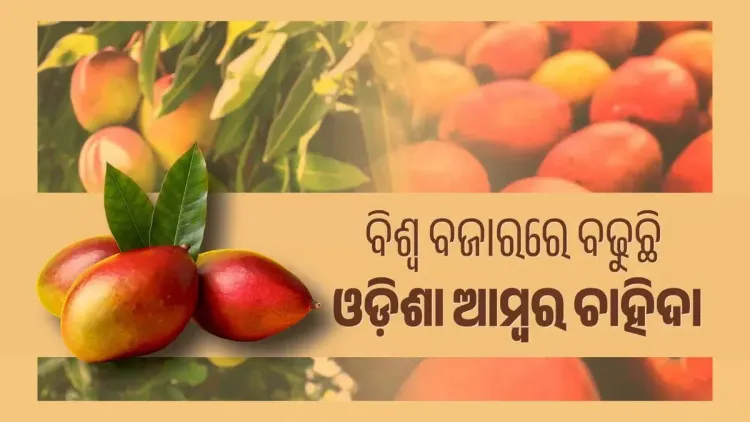
The Chief Minister's Office of Odisha hailed Prime Minister Narendra Modi's praise for the state's Subarnarekha mango in the 134th Mann Ki Baat, and announced Mango Festival-2026 across Bhubaneswar and other locations to promote local produce, boost farmer incomes and push self-reliance in horticulture.
Key Takeaways
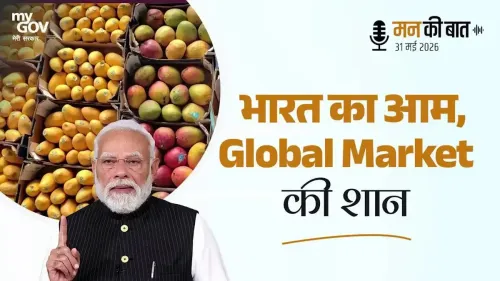
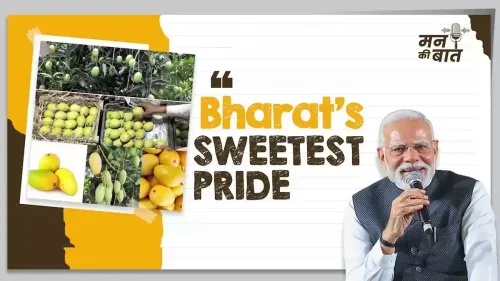
PM Narendra Modi praised Odisha's Subarnarekha mango in the 134th edition of Mann Ki Baat .
The Chief Minister's Office of Odisha called it recognition of farmers' labour and the state's agricultural strength.
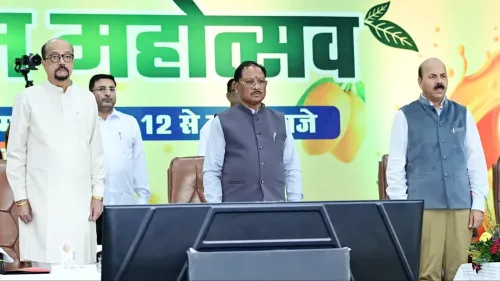
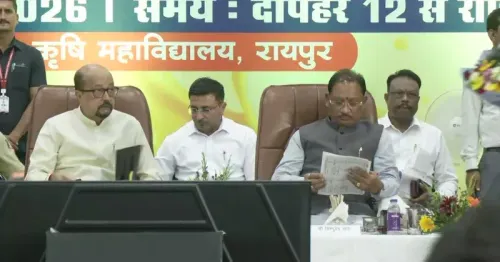
State government to host Mango Festival-2026 in Bhubaneswar and other locations.
Festival aims to promote local produce, raise farmer incomes and build financial self-reliance.
Post carried hashtags #SamruddhaKrushaka and #SashaktaOdisha .
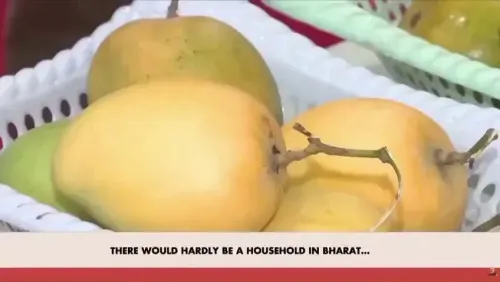
The Chief Minister's Office of Odisha on Wednesday, 3 June 2026, welcomed Prime Minister Narendra Modi's mention of the state's Subarnarekha mango variety in the 134th edition of his monthly radio programme Mann Ki Baat, calling it recognition of the labour of Odisha's farmers and the state's wider agricultural strength. The post also announced that the state government is organising Mango Festival-2026 across multiple locations including the capital Bhubaneswar to promote local produce and lift farmer incomes.
'Prime Minister Shri Narendra Modi has praised the taste and uniqueness of Odisha's Subarnarekha mango in the 134th edition of Mann Ki Baat. This is a tribute to the hard work of our farmers and recognition of Odisha's agricultural capability,' the Chief Minister's Office said, translated from the original Odia post. It added that the festival is a significant step towards 'promoting local produce, increasing farmers' incomes and making them financially self-reliant'. The post carried the hashtags #SamruddhaKrushaka (Prosperous Farmer) and #SashaktaOdisha (Empowered Odisha).
Context
The Subarnarekha mango takes its name from the river basin that runs through parts of northern Odisha, and the variety is prized locally for its distinctive flavour and aroma. A reference on a national platform such as Mann Ki Baat typically translates into a sharp spike in consumer curiosity and demand, which state horticulture departments often try to channel through marketing events.
The Odisha government's response — pairing the Prime Minister's mention with a state-wide festival — is a familiar template in Indian agri-marketing, where a moment of national attention is quickly converted into a buyer-seller platform for growers.
Policy backdrop
Mann Ki Baat, launched by the Prime Minister in 2014, has frequently spotlighted regional produce, artisans and grassroots innovators, and several states have built follow-on campaigns around such mentions. Odisha has, over recent years, pushed horticulture as a diversification lever away from paddy monoculture, with mango, cashew and spices among the focus crops.
Mango Festival-2026 sits within this broader arc — a product-specific fair designed to connect growers directly with urban consumers, retailers and exporters, while showcasing geographically distinctive varieties. Similar festivals for litchi, banana and millet have been used by other state governments to build brand recall for regional produce.
Stakeholders and impact
The immediate beneficiaries are Subarnarekha mango growers in Odisha's northern belt and horticulture producers across the state who get a curated marketplace without the usual chain of intermediaries. For consumers in Bhubaneswar and other host towns, the festival offers access to varieties that are otherwise hard to find outside their production catchments.
For the state government, the event doubles as a soft-power exercise — positioning Odisha's farm economy as more than rice and minerals, and aligning a state-level initiative with a high-visibility central platform. The framing of farmer 'self-reliance' echoes the language used in both central and state rural livelihood programmes.
What's next
Key markers to watch will be footfall and sales figures from the Mango Festival-2026 venues, the number of farmer producer organisations participating, and whether the state follows up with structural measures — cold chain investment, geographical indication push for Subarnarekha mango, or export linkages. Any mention in the next Odisha budget of dedicated horticulture marketing outlays would signal that the festival is being built into a recurring policy instrument rather than a one-off event.
If sustained, the combination of national recognition and state-level market-making could nudge Odisha's mango economy from a largely local trade towards a branded, higher-value segment — with farmer incomes as the headline metric.
Point of View
Signalling that Odisha wants to brand its horticulture beyond commodity-style sales. It fits a wider pattern of states using product-specific festivals to capture value that has historically leaked to intermediaries. The real test will be whether Mango Festival-2026 leads to durable infrastructure — cold storage, GI tagging, export routes — or remains an annual showcase.
NationPress
25 Sept 2026
Frequently Asked Questions
What is Subarnarekha mango?
Subarnarekha is a mango variety associated with the Subarnarekha river basin in northern Odisha, known locally for its distinctive taste and aroma. It was highlighted by Prime Minister Narendra Modi in the 134th edition of Mann Ki Baat.
What is Mango Festival-2026 in Odisha?
Mango Festival-2026 is an Odisha government initiative being organised in Bhubaneswar and other locations across the state to promote local mango varieties, support farmer incomes and encourage financial self-reliance among growers.
Why did PM Modi mention Odisha's mango in Mann Ki Baat?
In the 134th edition of Mann Ki Baat, the Prime Minister praised the taste and uniqueness of Odisha's Subarnarekha mango, which the state government described as recognition of farmers' hard work and the state's agricultural capability.
Where will the Odisha Mango Festival 2026 be held?
The festival is being organised at multiple locations across Odisha, including the state capital Bhubaneswar, according to the Chief Minister's Office.
How will the festival help Odisha farmers?
The festival is intended to give mango growers a direct marketing platform, promote local produce, raise farmer incomes and move them towards financial self-reliance.