Odisha CM's Office: ₹3,384 Cr BharatNet Deal, C-DAC AI Pact
Synopsis
Odisha signs a ₹3,384.82 crore tripartite BharatNet deal with DoT and BSNL to connect all 6,799 Gram Panchayats, and pairs it with an OCAC–C-DAC MoU covering AI, quantum computing and cybersecurity — a two-track push to connect rural Odisha and build its digital governance capacity.
Key Takeaways
A tripartite agreement between the Government of Odisha , DoT , and BSNL will implement the Amended BharatNet Programme worth ₹3,384.82 crore .
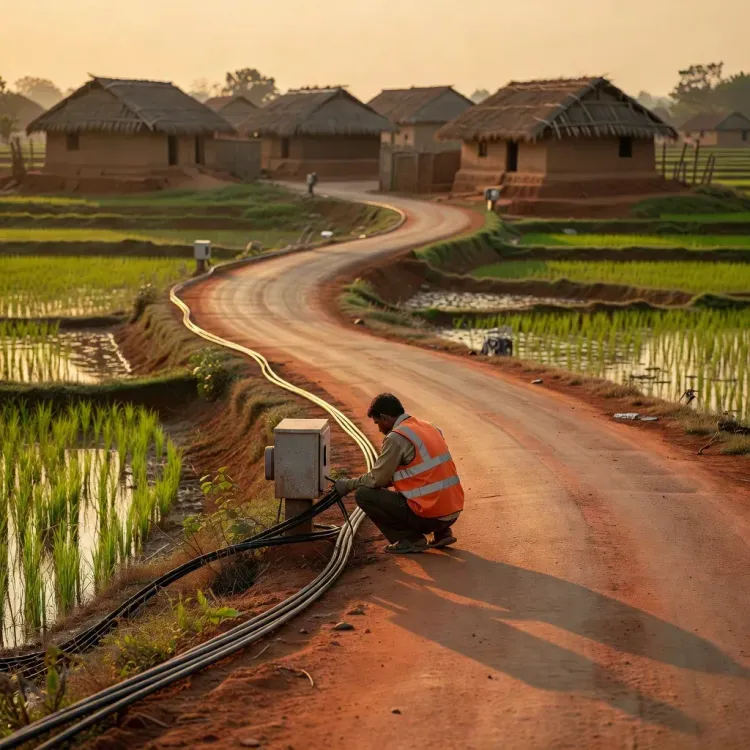
The programme targets high-speed broadband connectivity for all 6,799 Gram Panchayats in Odisha.
A separate MoU between OCAC and C-DAC covers collaboration in AI, quantum computing, cybersecurity, and high-performance computing .
BharatNet was originally launched in 2011 ; Odisha participated in Phase-I and Phase-II but full coverage remained incomplete before this Amended Programme agreement.
The dual announcements reflect a layered strategy: broadband infrastructure through BharatNet, and advanced computing capability through C-DAC.
The announcement was tagged to @PMOIndia , aligning the state's digital push with the Centre's Digital India programme.
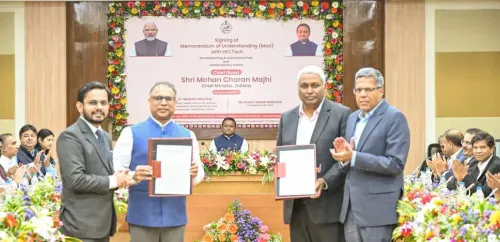
Every one of Odisha's 6,799 Gram Panchayats is now in line for high-speed broadband — and the state just locked in the partnerships to make it happen. The Chief Minister's Office of Odisha announced on Thursday, 30 July 2026 that two landmark agreements have been signed, setting the state's digital infrastructure agenda on a new, ambitious track.
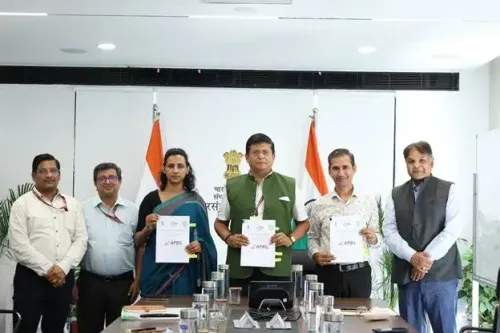
The centrepiece is a tripartite agreement between the Government of Odisha, the Department of Telecommunications (DoT), and BSNL to implement the Amended BharatNet Programme at a project value of ₹3,384.82 crore. The deal commits all three parties to extending optical fibre broadband connectivity to every Gram Panchayat across the state — the last-mile link that has eluded rural Odisha through earlier phases of the programme.
BharatNet's Long Road to Odisha's Villages
BharatNet — originally launched as the National Optical Fibre Network in 2011 and later renamed under the Digital India umbrella — has been the Union government's flagship bet on rural connectivity for over a decade. Odisha participated in Phase-I and Phase-II rollouts between 2014 and 2022, but full coverage remained incomplete. The Amended BharatNet Programme represents a reset: consolidated funding, clearer accountability, and BSNL as the designated executing arm. With a tripartite structure pulling together state government, the central telecom ministry, and the state-owned carrier, the new agreement is designed to close the gaps that earlier phases left behind.
The stakes are tangible. Broadband at the Gram Panchayat level unlocks e-governance services, telemedicine, digital banking, and online education for communities that have historically been the last to benefit from India's technology boom. For a state like Odisha — with a large rural population spread across coastal plains, river deltas, and forested highlands — last-mile connectivity is not a convenience; it is infrastructure on par with roads and power.
OCAC and C-DAC: Building Odisha's Tech Brain
Running parallel to the BharatNet deal is a separate Memorandum of Understanding between OCAC (Odisha Computer Application Centre, the state's nodal IT agency) and C-DAC (Centre for Development of Advanced Computing, the national R&D institution under MeitY). The MoU targets capability-building in artificial intelligence, quantum computing, cybersecurity, and high-performance computing — the technologies that will define how digital governance actually functions once the connectivity pipes are in place.
C-DAC brings decades of experience in supercomputing and indigenous technology development. For Odisha, the partnership means access to national-level research infrastructure and expertise without having to build it from scratch. The combination of the two announcements — pipes through BharatNet, intelligence through C-DAC — signals a deliberate, layered strategy: connect first, then compute.
Where Odisha Fits in India's Digital Push
Tripartite BharatNet agreements have been signed across multiple states as the Union government accelerated the Amended Programme, but the scale of Odisha's commitment — ₹3,384.82 crore for 6,799 Gram Panchayats — places it among the larger state-level rollouts. The simultaneous OCAC–C-DAC MoU also reflects a wider trend: states are no longer content to be passive recipients of central connectivity grants. They are building their own AI and quantum capacity to ensure that once rural India gets online, state governments can actually deliver intelligent, responsive services through that connection.
The announcement was tagged to @PMOIndia, signalling the state's intent to align visibly with the Centre's Digital India narrative — a political signal as much as a policy one.
The real test arrives in the months ahead, when contracts are awarded, timelines are set, and the optical fibre begins its journey to the last Gram Panchayat on the list. Odisha has signed the papers; now it has to build the network.
Point of View
One on computing capability — represent a maturing model of state-level digital strategy: no longer waiting for central rollouts to trickle down, but actively co-investing and co-building. The BharatNet tripartite structure is also a political hedge, giving the state government shared credit for a central scheme while locking in accountability from DoT and BSNL. The OCAC–C-DAC MoU is the more consequential long-term bet: if Odisha can genuinely absorb C-DAC's AI and quantum expertise into its governance stack, it positions itself ahead of most Indian states in the next wave of digital public infrastructure. The tag to @PMOIndia underscores that this is as much about optics within the BJP-led coalition as it is about bytes and bandwidth.
NationPress
30 Jul 2026
Frequently Asked Questions
What is the Amended BharatNet Programme in Odisha?
The Amended BharatNet Programme in Odisha is a ₹3,384.82 crore project under a tripartite agreement between the Government of Odisha, the Department of Telecommunications (DoT), and BSNL, aimed at providing high-speed optical fibre broadband to all 6,799 Gram Panchayats in the state.
What is the OCAC–C-DAC MoU about?
The MoU between OCAC (Odisha Computer Application Centre) and C-DAC (Centre for Development of Advanced Computing) focuses on strengthening Odisha's capabilities in artificial intelligence, quantum computing, cybersecurity, and high-performance computing to support digital governance.
How many Gram Panchayats will get broadband under BharatNet in Odisha?
All 6,799 Gram Panchayats across Odisha are targeted for high-speed broadband connectivity under the Amended BharatNet Programme.
What is C-DAC and why is it partnering with Odisha?
C-DAC (Centre for Development of Advanced Computing) is a national R&D institution under MeitY specialising in high-performance computing, cybersecurity and emerging technologies. It is partnering with Odisha's OCAC to build the state's capacity in AI and quantum computing for digital governance.
What is BharatNet and when was it launched?
BharatNet is the Union government's flagship programme to connect all Gram Panchayats with optical fibre broadband. It was originally launched in 2011 as the National Optical Fibre Network and later renamed under the Digital India initiative.