CM Fadnavis Backs Drug-Free Mumbai Campaign
Synopsis
Maharashtra Chief Minister Devendra Fadnavis publicly backed the Drug-Free Mumbai campaign on 30 July 2026, urging residents to pledge against narcotics abuse. The post signals political priority on urban drug control, with stakeholders watching for concrete follow-up programmes.
Key Takeaways
CM Devendra Fadnavis publicly endorsed the Drug-Free Mumbai campaign on 30 July 2026 via a post on X.
The campaign targets narcotics abuse in Mumbai , India's financial capital, which has long faced trafficking and abuse challenges.
The legal backbone for such drives is the Narcotics Drugs and Psychotropic Substances Act, 1985 , with state governments running parallel awareness efforts.
Maharashtra has historically coordinated anti-drug campaigns with the Narcotics Control Bureau .
Key stakeholders — Mumbai's youth, residents, and anti-narcotics agencies — await concrete programme rollouts, NGO partnerships, or assembly announcements.
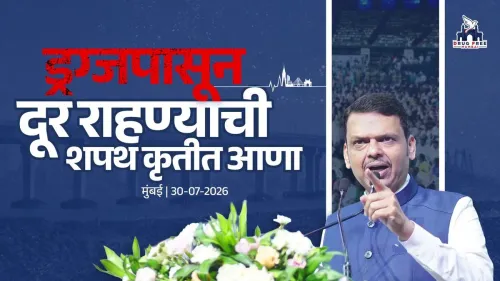
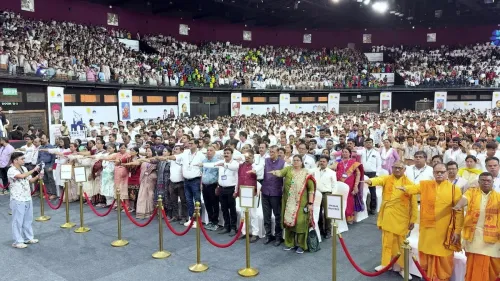
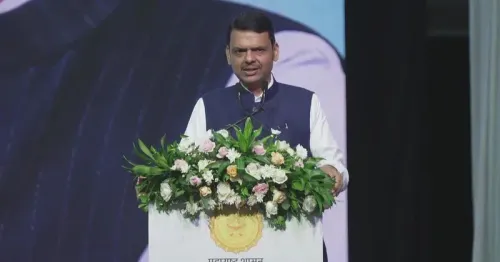
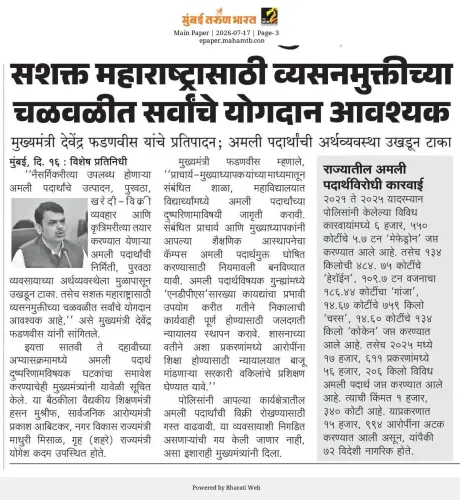
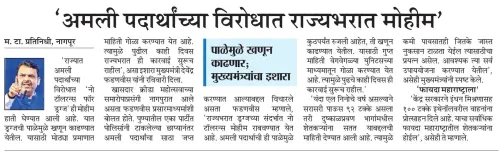
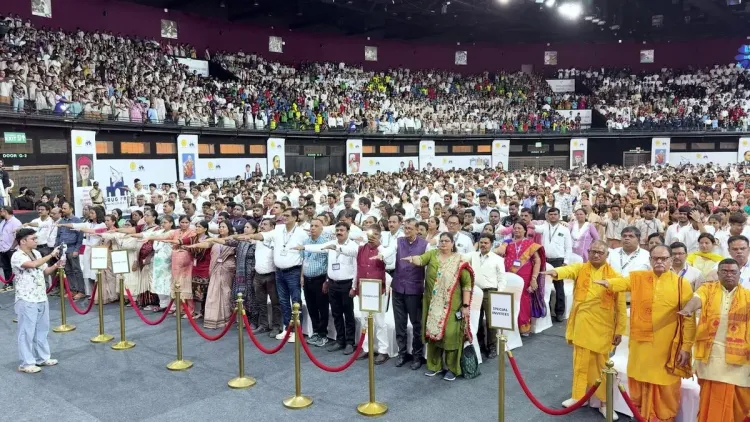
Mumbai's streets carry the weight of a city that never sleeps — and, for too many of its residents, the shadow of narcotics abuse. On Thursday, 30 July 2026, Maharashtra Chief Minister Devendra Fadnavis threw his public weight behind the Drug-Free Mumbai initiative, calling on citizens to pledge their commitment to a cleaner city.
Posting on X and tagging the campaign's dedicated handle @drugfreemumbai_, Fadnavis kept the message direct: 'Let's Pledge for Drug-Free Mumbai. Our City. Our Commitment.' The brevity was deliberate — a call to ownership, not a policy announcement.
Mumbai's Long Battle With Narcotics
Mumbai, India's financial capital and Maharashtra's largest city, has faced persistent challenges with narcotics trafficking and abuse — a consequence of its port geography, dense population, and the economic inequality that runs beneath its glittering surface. Anti-drug drives have been a recurring feature of state governance for decades, backed legally by the Narcotics Drugs and Psychotropic Substances Act, 1985, which gives state governments the authority to run parallel awareness and de-addiction programmes alongside central enforcement.
Social Media Pledge as Political Signal
Maharashtra administrations have periodically coordinated city-focused anti-drug campaigns with central agencies, including the Narcotics Control Bureau. A chief minister amplifying such a campaign on social media is a recognisable pattern — it signals political priority, mobilises public sentiment, and puts the state's credibility behind demand-reduction efforts. The key question is always what follows the pledge: concrete programmes, NGO partnerships, or dedicated police taskforces are what turn awareness into action.
The campaign's primary stakeholders — Mumbai's youth, residents, and anti-narcotics agencies — now wait to see whether this public commitment translates into announcements in the state assembly or at ground-level public events.
A pledge from the top of Maharashtra's government is a starting gun, not a finish line — the city will be watching what comes next.
Point of View
The political value of such posts is tested only when followed by measurable action — funded de-addiction centres, police taskforces, or legislative moves. For a BJP-led government in Maharashtra's commercial capital, being seen as tough on narcotics also carries electoral resonance with a middle-class urban base. The campaign's real weight will be determined in the weeks ahead.
NationPress
30 Jul 2026
Frequently Asked Questions
What is the Drug-Free Mumbai campaign?
Drug-Free Mumbai is a public awareness initiative aimed at reducing narcotics abuse in Mumbai through social media pledges and community engagement, backed by Maharashtra's state government.
Why did CM Fadnavis post about Drug-Free Mumbai?
Maharashtra Chief Minister Devendra Fadnavis posted on 30 July 2026 to publicly endorse the campaign and urge Mumbai residents to pledge their commitment to a drug-free city.
What law governs anti-drug efforts in Maharashtra?
The Narcotics Drugs and Psychotropic Substances Act, 1985 is the core legal framework, with state governments running parallel awareness and de-addiction programmes alongside central enforcement by the Narcotics Control Bureau.
Has Maharashtra run anti-drug campaigns before?
Yes. Maharashtra administrations have periodically coordinated city-focused anti-drug awareness drives with central agencies, including the Narcotics Control Bureau, combining enforcement with demand-reduction efforts.
What should Mumbai residents watch for after this pledge?
Concrete follow-up steps — such as new de-addiction programmes, NGO partnerships, police taskforce announcements, or related moves in the state assembly — will determine whether the campaign has lasting impact.