Odisha CMO Backs Bhubaneswar-Puri-Paradip MICE Corridor
Synopsis
The Chief Minister's Office of Odisha spotlighted the Bhubaneswar–Cuttack–Puri–Paradip corridor on 6 June 2026 as a rising MICE hub, building on the state's 2016 tourism policy and extending the vision to include Paradip's port-driven industrial event economy.
Key Takeaways
The Chief Minister's Office of Odisha promoted the Bhubaneswar–Cuttack–Puri–Paradip corridor as a MICE hub on 6 June 2026 .
MICE tourism (Meetings, Incentives, Conferences, Exhibitions) generates higher per-visitor spending than leisure travel and is a growing competitive segment among Indian states.
Odisha's Tourism Policy 2016 had already identified MICE as a priority, making the current push an expansion rather than a new direction.
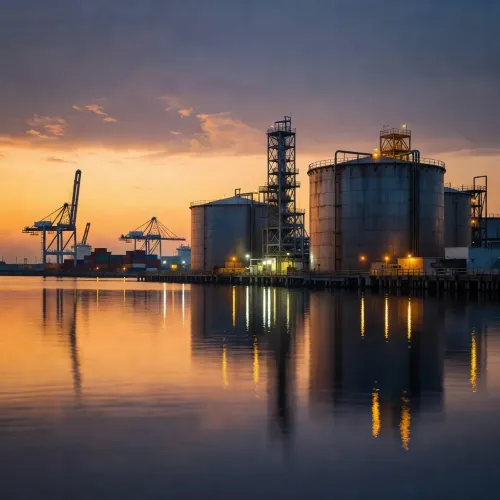
The inclusion of Paradip , a deep-water port, broadens the corridor's appeal to industrial and trade-event categories beyond cultural tourism.
The corridor strategy mirrors approaches taken by Gujarat and Tamil Nadu in linking urban, cultural and industrial assets for business-event tourism.
State budget allocations for convention infrastructure and 2026–27 event bids will be the key near-term indicators of momentum.
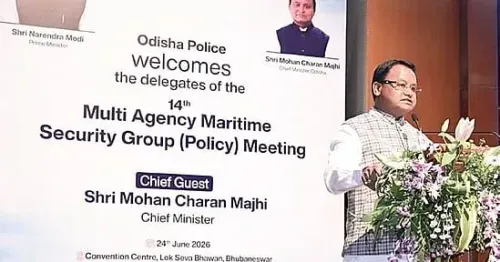
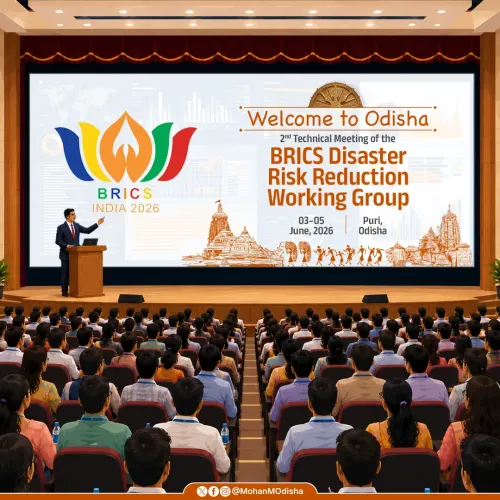
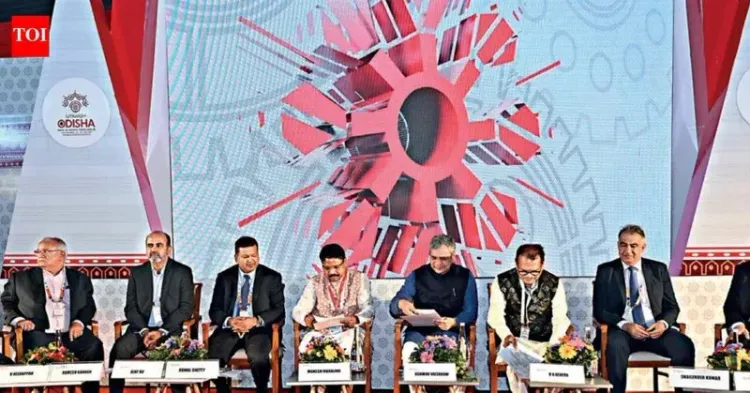
The Chief Minister's Office of Odisha on Saturday, 6 June 2026 highlighted the Bhubaneswar–Cuttack–Puri–Paradip corridor as an emerging hub for business events and MICE (Meetings, Incentives, Conferences and Exhibitions) tourism, positioning the state as a serious contender in India's convention economy.
Context
The CMO's post draws attention to a four-city corridor that stitches together Odisha's administrative capital, its historic commercial centre, its foremost pilgrimage destination, and its deep-water port. The corridor spans the coastal heartland of the state, connecting urban infrastructure with maritime logistics in a single strategic arc. The framing signals that the state government views business-event tourism not as an add-on but as a distinct economic pillar.
MICE tourism — covering corporate meetings, incentive travel, large conferences and trade exhibitions — generates higher per-visitor spending than leisure tourism and drives demand for premium hospitality, transport and ancillary services. Indian states have increasingly competed for this segment as corporate India and global associations seek venues beyond the traditional metros.
Policy Backdrop
Odisha's focus on MICE is not new. The state's Tourism Policy 2016 had already identified MICE as a priority segment and called for dedicated convention infrastructure in Bhubaneswar and Puri. What the current push represents is an expansion of that vision to include Cuttack — the former state capital and a major commercial node — and Paradip, the deep-water bulk-cargo port in Jagatsinghpur district.
The inclusion of Paradip is strategically notable. Port cities carry industrial and logistics ecosystems that attract sector-specific trade events, maritime conferences and supply-chain summits. By anchoring the corridor at a working port, Odisha signals that its MICE ambitions extend beyond cultural tourism into industrial and trade-event categories. This mirrors corridor strategies pursued by Gujarat around Gandhinagar–Ahmedabad–GIFT City and by Tamil Nadu linking Chennai with its industrial hinterland.
Stakeholders and Impact
The hospitality sector across all four cities stands to benefit most directly. Bhubaneswar already has established convention facilities and a growing IT presence; Puri's tourism infrastructure, built around the Jagannath Temple and the annual Rath Yatra, gives the corridor a cultural draw that few MICE destinations can match. Event organisers, corporate travel planners and national association bodies are the immediate target audience for such positioning.
Coastal district businesses — from catering and transport to audio-visual services — are likely secondary beneficiaries as event volumes grow. The corridor framing also creates a case for state budget allocations toward connectivity upgrades, convention-centre expansion and digital infrastructure that individual city proposals might not justify on their own.
What's Next
The immediate question is whether the corridor positioning translates into concrete bids for national association meetings or large corporate offsites in 2026–27. State budget allocations for convention infrastructure and inter-city connectivity — road, rail and last-mile links between the four nodes — will be a key indicator of how seriously the government intends to pursue this vision.
Odisha's ability to attract marquee events will depend on competitive venue pricing, airlift capacity into Biju Patnaik International Airport and the ease of multi-city itineraries within the corridor. If the state can secure one or two high-profile national or international conferences in the near term, the corridor branding is likely to gain traction with global event organisers who are actively diversifying away from saturated metros.
Point of View
But together present a differentiated offer of culture, administration and port logistics. By publicising this corridor narrative, the state government is effectively signalling to corporate event planners and national associations before the next budget cycle, when infrastructure allocations will be debated. The Paradip inclusion is the sharpest strategic choice: it opens the door to maritime, energy and supply-chain conferences that richer coastal states have historically monopolised. Whether the corridor delivers depends on follow-through on connectivity and venue investment, but the branding exercise itself reflects a maturing approach to tourism-led economic development in Odisha.
NationPress
22 Sept 2026
Frequently Asked Questions
What is the Bhubaneswar–Cuttack–Puri–Paradip MICE corridor in Odisha?
It is a four-city business-events corridor in Odisha that links the state capital Bhubaneswar, the historic commercial city Cuttack, the pilgrimage hub Puri, and the deep-water port of Paradip to attract conferences, corporate meetings and trade exhibitions.
What does MICE tourism mean and why is it important for Odisha?
MICE stands for Meetings, Incentives, Conferences and Exhibitions. It is important for Odisha because it generates higher spending per visitor than leisure tourism and helps diversify the state's tourism economy beyond pilgrimage and beach travel.
When did Odisha first identify MICE tourism as a policy priority?
Odisha's Tourism Policy 2016 first identified MICE as a priority segment and called for convention infrastructure in Bhubaneswar and Puri.
Why is Paradip included in Odisha's MICE corridor?
Paradip is a deep-water port in Jagatsinghpur district that supports industrial and logistics ecosystems, making it well suited to attract maritime, energy and supply-chain trade events beyond the cultural tourism segment.
How does Odisha's MICE corridor compare to other Indian states?
The strategy mirrors corridor approaches in Gujarat, which links Gandhinagar, Ahmedabad and GIFT City, and in Tamil Nadu, which connects Chennai with its industrial hinterland — combining urban, cultural and industrial assets to compete for business events.