Odisha CM Majhi launches sugarcane incentive scheme for cooperative mills
Synopsis
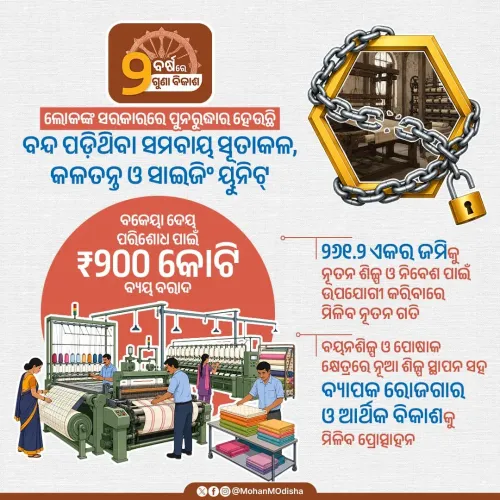
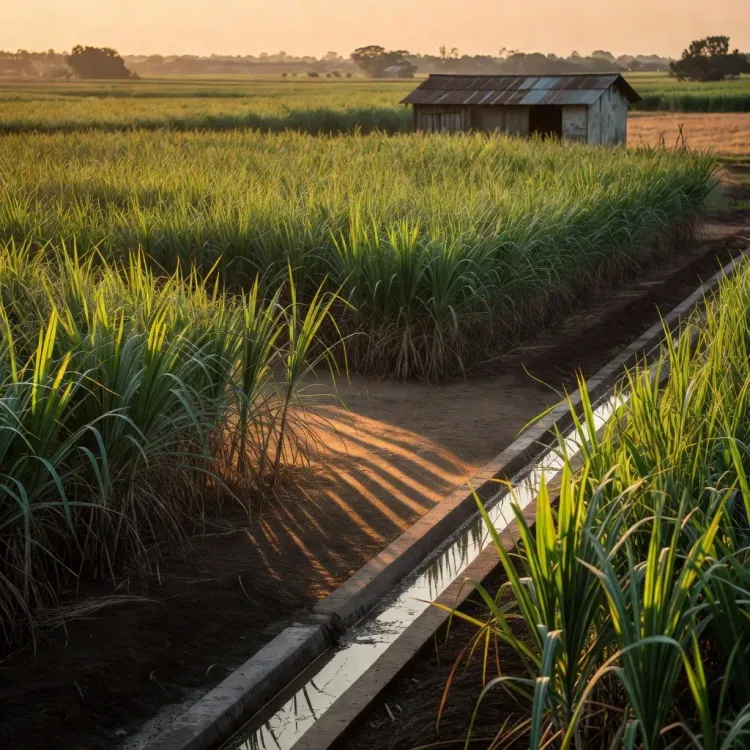
The Odisha government under CM Mohan Majhi has launched the 'Sugarcane Production Promotion in Cooperative Sugar Industry Areas' scheme, targeting revival of the Badamba and Asika cooperative sugar mills and expanded cane cultivation to boost farmer incomes in Cuttack and Ganjam districts.
Key Takeaways
The Chief Minister's Office of Odisha announced the launch of a new scheme on 25 September 2026 to promote sugarcane cultivation in cooperative sugar mill zones.
The scheme is titled 'Sugarcane Production Promotion in Cooperative Sugar Industry Areas' ( Samabaya Chini Shilpa Anchalare Akhu Utpadana Protsahana ).
Two mills are targeted for reactivation: Badamba Cooperative Sugar Mill (Cuttack district) and Asika Cooperative Sugar Mill (Ganjam district).
The initiative aims to both make the mills operational and provide direct incentives to sugarcane farmers in their catchment areas.
CM Mohan Charan Majhi , in office since June 2024 , has framed the scheme as a step to protect farmer interests and increase rural income.
Odisha cooperative mills have historically struggled with low cane supply and competition from mills in neighbouring states since the early 2000s.
Thousands of sugarcane farmers in Odisha's Cuttack and Ganjam districts got a direct policy signal on Friday, 25 September 2026: the state government is putting real muscle behind reviving two long-dormant cooperative sugar mills — and is ready to pay farmers to grow more cane. The Chief Minister's Office of Odisha announced the launch of a dedicated new scheme aimed at expanding sugarcane cultivation and channelling incentives to growers in the catchment zones of the Badamba and Asika Cooperative Sugar Mills.
The post, shared in Odia on the official CMO handle, stated that under the leadership of Chief Minister Shri Mohan Charan Majhi, the 'people's government' is taking 'comprehensive steps to protect the interests of sugarcane farmers and increase their income.' The centrepiece is the newly launched scheme titled 'Samabaya Chini Shilpa Anchalare Akhu Utpadana Protsahana' — translated as 'Sugarcane Production Promotion in Cooperative Sugar Industry Areas' — designed to make both mills operational again while spurring area-wide cane expansion.
Two mills, two districts, one long-standing problem
The Badamba Cooperative Sugar Mill in Cuttack district and the Asika Cooperative Sugar Mill in Ganjam district represent a pattern familiar to Odisha's agricultural economy: cooperative agro-processing units that have struggled for decades against low cane supply, limited irrigation, and stiff competition from mills in neighbouring states. Odisha governments have periodically pushed for their revival since the early 2000s, but sustained reactivation has proved elusive.
The structural challenge is straightforward: mills cannot run without adequate cane supply, and farmers will not switch to cane without assured offtake and better returns. The new scheme attempts to break that loop by tying mill reactivation directly to farmer-facing production incentives within the mill's own catchment area — a supply-side push backed by state support.
What the scheme signals for rural Odisha
CM Majhi, who took office in June 2024 heading a BJP-led state government, has positioned rural income stabilisation as a priority. Odisha's agro-processing revival push — combining mill reactivation with cash-crop incentives — fits a broader state pattern of targeting regions with limited irrigation access, where cane's relative drought tolerance makes it a viable income diversifier for smallholders.
The two mill zones together cover a meaningful slice of Odisha's sugarcane belt. If the incentive architecture succeeds in nudging acreage upward before the next crushing season, it could generate visible results quickly — the kind of farm-income data a government would want heading into any electoral cycle. The real test, however, lies in the rollout: how the incentives are structured, how procurement is guaranteed, and whether the mills can sustain consistent operations once cane supply picks up.
Odisha's cooperative sugar sector has waited a long time for a scheme that addresses both the supply and the processing sides simultaneously. Whether this one delivers will show up in the cane acreage numbers when the next crushing season opens its books.
Point of View
The Majhi government is attempting to solve a chicken-and-egg problem that has stalled Odisha's cooperative sugar sector for two decades. Politically, visible farm-income gains in Cuttack and Ganjam — two electorally significant districts — would strengthen the BJP government's rural credibility ahead of future polls. The broader pattern mirrors Centre-state agro-processing strategies, but the cooperative model adds a layer of complexity: these mills require sustained farmer buy-in, not just state funding. The scheme's true test will come at the end of the first full crushing season post-revival.
NationPress
25 Sept 2026
Frequently Asked Questions
What is the new sugarcane scheme launched by the Odisha government?
The Odisha government has launched the 'Sugarcane Production Promotion in Cooperative Sugar Industry Areas' scheme to revive the Badamba and Asika cooperative sugar mills and expand sugarcane cultivation by providing incentives to farmers in those mill zones.
Which sugar mills are being revived under this Odisha scheme?
The Badamba Cooperative Sugar Mill in Cuttack district and the Asika Cooperative Sugar Mill in Ganjam district are the two mills targeted for reactivation under the new scheme.
Who announced the sugarcane incentive scheme in Odisha?
The Chief Minister's Office of Odisha announced the scheme on 25 September 2026, attributing the initiative to Chief Minister Mohan Charan Majhi 's government.
Why have Odisha's cooperative sugar mills been non-functional?
Odisha's cooperative sugar mills have historically faced low sugarcane supply, limited irrigation infrastructure, and competition from mills in neighbouring states, making sustained operations difficult since the early 2000s.
How will the Odisha sugarcane scheme benefit farmers?
The scheme provides production incentives to sugarcane farmers in the catchment areas of the two cooperative mills, aiming to increase their income while simultaneously securing the cane supply needed to make the mills viable.