Odisha Opens 13 New Eklavya Tribal Schools Across 7 Districts
Synopsis
Odisha's Chief Minister's Office announced the inauguration of 13 new Eklavya Model Residential Schools across 7 districts on 16 November 2026, with foundation stones laid for 3 more in Kandhamal's Daringbadi, K. Nuagaon, and Kotgarh, expanding quality residential education for tribal students.
Key Takeaways
13 new Eklavya Model Residential Schools were inaugurated across 7 districts of Odisha on 16 November 2026 .
Foundation stones were laid for 3 additional EMRS in Kandhamal district — at Daringbadi , K.
Nuagaon , and Kotgarh .
The EMRS scheme was launched by the Government of India in 1997-98 to provide residential education to Scheduled Tribe children in remote areas.
Odisha has an ST population exceeding 22 percent , among the highest of any Indian state, making tribal education a core policy priority.
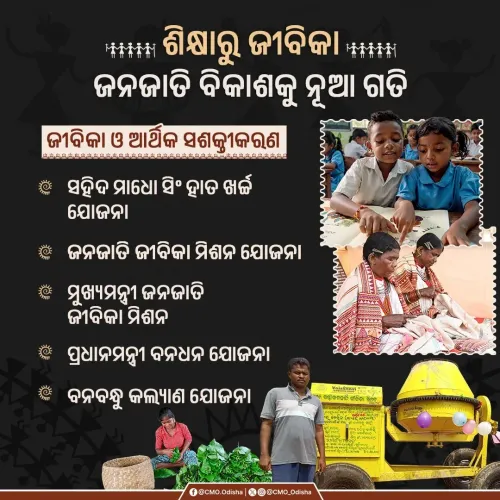
The initiative aims to deliver quality residential education, improved learning environments, and equal opportunities to tribal students across the state.
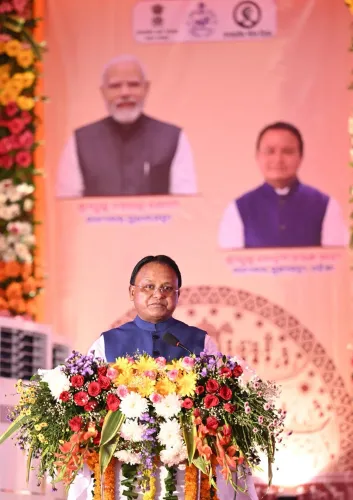
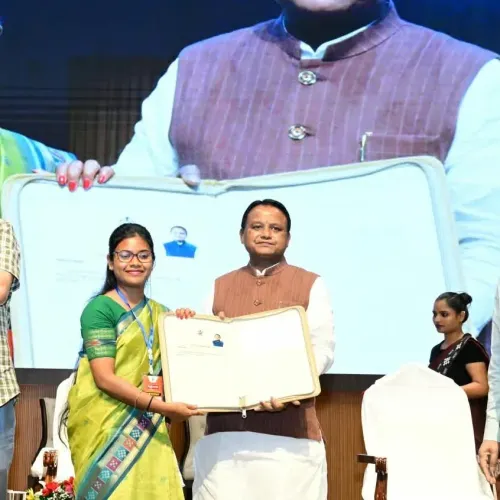
Thirteen new schools opened their doors on Monday, 16 November 2026 — not in city centres or well-connected towns, but deep inside tribal Odisha, where quality residential education has long been an aspiration rather than a reality. The Chief Minister's Office of Odisha announced the inauguration of 13 new Eklavya Model Residential Schools (EMRS) across 7 districts of the state, while simultaneously laying foundation stones for 3 additional schools in Kandhamal district — at Daringbadi, K. Nuagaon, and Kotgarh.
What the Eklavya scheme brings to tribal Odisha
The Eklavya Model Residential Schools scheme has a lineage stretching back to 1997-98, when the Government of India under the Ministry of Tribal Affairs created it specifically to bring quality, structured residential education to Scheduled Tribe children in remote areas — the children most likely to drop out, most likely to be left behind. Each EMRS is designed to provide not just classrooms but a full residential environment: hostel facilities, trained teachers, and a learning ecosystem calibrated for communities where the nearest secondary school can be a day's walk away.
Odisha is one of India's most tribal states, with Scheduled Tribes making up over 22 percent of its population. Districts like Kandhamal — home to the Kandha and several other tribal communities — have historically seen acute gaps in school access and high dropout rates, particularly at the secondary level. Monday's announcements directly target that gap.
Kandhamal's three foundation stones and what they signal
Beyond the thirteen inaugurations, the foundation stones laid in Kandhamal district signal the pipeline is still filling. Daringbadi, K. Nuagaon, and Kotgarh are hill-area localities where tribal families have faced geographic isolation as a structural barrier to education. A foundation stone is a commitment on paper and in concrete — the test, as always, is construction timelines and eventual enrollment numbers.
The CMO framed Monday's events as a 'firm step by the people's government' toward providing 'quality residential education, an improved learning environment, and equal opportunities' to every tribal student — ପ୍ରତ୍ୟେକ ଛାତ୍ରଛାତ୍ରୀଙ୍କୁ ଗୁଣାତ୍ମକ ଆବାସିକ ଶିକ୍ଷା [quality residential education for every student], as the original Odia announcement put it.
The national EMRS expansion and Odisha's place in it
India has steadily expanded the EMRS network across states with large tribal populations, using successive budget cycles to approve new schools in underserved blocks. Odisha has participated in multiple phases of this expansion, identifying sites in Scheduled Tribe-dominated districts as part of a broader national push to close the tribal education gap. Monday's batch of 13 inaugurations represents a meaningful addition to that network — schools that move from approved to operational, from promise to populated classrooms.
The real measure of this push will come in enrollment figures, teacher posting orders, and whether the hostels fill up in the first academic session — because a school building without students is just architecture.
Point of View
Opening 13 EMRS in a single announcement is a high-visibility signal of delivery on tribal welfare — a constituency with significant electoral weight in the state. The simultaneous foundation-stone laying in Kandhamal adds a forward pipeline dimension, though the gap between laid stones and functional schools has historically been where schemes stall. The broader pattern — successive state governments across India accelerating EMRS expansion — reflects a national consensus that residential schooling is the most effective lever for reducing tribal dropout rates, but operational quality and teacher recruitment remain the variables that determine whether the investment actually transforms outcomes.
NationPress
16 Nov 2026
Frequently Asked Questions
What are Eklavya Model Residential Schools?
Eklavya Model Residential Schools (EMRS) are government-run residential schools established under a central scheme launched in 1997-98 by the Ministry of Tribal Affairs to provide quality education to Scheduled Tribe children in remote and tribal areas of India.
How many new EMRS were inaugurated in Odisha in November 2026?
13 new Eklavya Model Residential Schools were inaugurated across 7 districts of Odisha on 16 November 2026 , as announced by the Chief Minister's Office.
Where were the foundation stones for new EMRS laid in Kandhamal?
Foundation stones for 3 new Eklavya Model Residential Schools were laid in Kandhamal district at Daringbadi , K. Nuagaon , and Kotgarh .
What is the tribal population percentage in Odisha?
Scheduled Tribes constitute over 22 percent of Odisha's total population, making the state one of India's most tribal states and a key focus for EMRS expansion.
What is the purpose of the EMRS scheme for tribal students?
The EMRS scheme aims to provide quality residential education , an improved learning environment, and equal opportunities to tribal students in remote areas, reducing dropout rates and bridging educational access gaps.