Odisha Clears Mega Hostel for 4,000 Women Workers
Synopsis
The Odisha government has cleared a hostel for 4,000 women workers at Kalibeti Industrial Estate, targeting safety and housing barriers that suppress female industrial workforce participation. The move extends Odisha's Mission Shakti legacy into manufacturing-zone infrastructure and could serve as a model for other states.
Key Takeaways
The Chief Minister's Office of Odisha announced on 9 June 2026 that the state has cleared a hostel for women workers at Kalibeti Industrial Estate .
The facility will have a capacity of 4,000 women workers , making it one of the largest such state-approved projects in India.
The initiative is designed to address commuting distances, personal safety risks, and housing costs that reduce female labour force participation in industrial zones.
Odisha's Mission Shakti programme, launched in 2001 , provides the broader policy foundation for women's economic empowerment in the state.
The national National Working Women Hostel scheme, operational since the 1970s , offers a complementary central-assistance framework for such facilities.
Budget allocations and construction timelines for the approved project are the key milestones to watch in coming fiscal cycles.
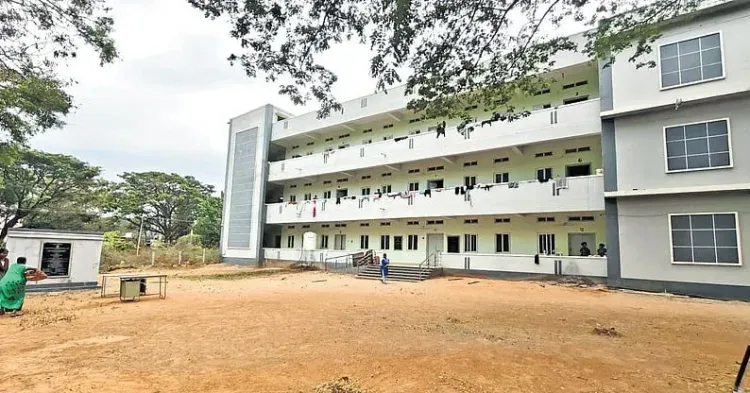
The Chief Minister's Office of Odisha announced on Tuesday, 9 June 2026 that the state government has cleared a large-scale hostel facility designed to accommodate 4,000 women workers at the Kalibeti Industrial Estate, marking a significant step toward improving safe and affordable housing for the female industrial workforce in the state.
Context
The approved facility at Kalibeti Industrial Estate is intended to address a persistent barrier facing women in Odisha's industrial workforce: the lack of safe, affordable accommodation near manufacturing zones. Long commutes and inadequate housing have historically suppressed female labour force participation in industrial corridors across India, and this hostel is designed specifically to remove those obstacles.
With a planned capacity of 4,000 residents, the project is among the largest single women-worker housing initiatives announced by any Indian state government in recent years, reflecting a deliberate policy choice to pair industrial estate expansion with gender-sensitive infrastructure.
Policy Backdrop
Odisha has maintained a sustained focus on women's economic empowerment through flagship programmes such as Mission Shakti, launched in 2001, which has promoted self-help groups and skill development for women across the state. The hostel clearance extends that tradition into the domain of industrial welfare, linking workforce housing directly to manufacturing-zone development.
At the national level, the National Working Women Hostel scheme has provided central assistance for safe accommodation near workplaces since the 1970s. Odisha's state-level initiative complements this framework by targeting a specific industrial cluster, signalling a more integrated approach to women's workforce retention in the manufacturing sector.
Stakeholders and Impact
The primary beneficiaries are women employed in or seeking employment at industrial units within and around the Kalibeti Industrial Estate. Safe, subsidised housing close to the workplace reduces commuting costs, lowers personal safety risks, and improves attendance and retention — factors that industrial employers in the region have identified as key to sustaining a stable female workforce.
Industrial units operating at the estate also stand to benefit. Access to a large, stable pool of women workers housed nearby can improve operational efficiency and reduce attrition, making the estate more attractive to new investment. Across India, states that have paired industrial corridors with gender-specific amenities have recorded measurable gains in female labour force participation at those sites.
What's Next
The immediate focus will shift to state budget allocations and the construction timeline for the approved facility. Translating a clearance into a functioning hostel requires phased funding, tendering, and project execution — steps that will be watched closely by women's welfare advocates and industrial stakeholders alike.
If delivered on schedule, the Kalibeti hostel could serve as a replicable model for other industrial estates across Odisha and potentially influence how other Indian states structure gender-inclusive infrastructure within their manufacturing zones, reinforcing the broader national push to raise female labour force participation toward policy targets.
Point of View
000-capacity hostel at an industrial estate is a textbook example of demand-side labour policy: rather than simply calling for higher female workforce numbers, the state is removing a structural barrier — unsafe or unaffordable housing — that has long kept women out of industrial employment. The move fits a wider pattern of Indian states competing to attract manufacturing investment by demonstrating gender-inclusive infrastructure, a metric that increasingly features in investor due diligence. For Odisha, it also reinforces the continuity of the Mission Shakti brand into new domains, giving the government a tangible welfare deliverable ahead of future electoral cycles. The real test will be execution speed: clearances that stall at the construction stage tend to erode the political and policy credibility such announcements are meant to build.
NationPress
23 Oct 2026
Frequently Asked Questions
What is the Odisha women workers hostel at Kalibeti Industrial Estate?
It is a government-approved residential facility with a capacity of 4,000 women workers , cleared by the Odisha government on 9 June 2026 to provide safe and affordable accommodation for women employed at or near Kalibeti Industrial Estate .
Where is Kalibeti Industrial Estate located?
Kalibeti Industrial Estate is located in Odisha , India. It is a state-managed industrial zone where the government has now approved large-scale women-worker housing infrastructure.
What is Mission Shakti in Odisha?
Mission Shakti is an Odisha government programme launched in 2001 to promote women's self-help groups, skill development, and economic empowerment across the state. The new hostel initiative extends this focus into industrial workforce welfare.
Why does Odisha need a hostel for women industrial workers?
Long commutes, personal safety concerns, and high accommodation costs near industrial zones are key reasons women leave or avoid industrial employment. A dedicated hostel addresses all three barriers simultaneously, improving retention and participation.
What is the National Working Women Hostel scheme?
The National Working Women Hostel scheme is a central government programme operational since the 1970s that provides financial assistance to states and organisations for setting up safe accommodation for working women near their workplaces.