Odisha CMO: Rescue Teams Deliver Dry Rations to Hill Communities Ahead of Cyclone
Synopsis
The Chief Minister's Office of Odisha says rescue teams have pre-positioned dry rations in hilly, remote areas ahead of a potential cyclone — continuing the state's post-1999 doctrine of reaching vulnerable communities before a storm cuts them off.
Key Takeaways
Rescue teams deployed to hilly and remote areas of Odisha are distributing dry rations to residents ahead of a possible cyclone.
The operation focuses on last-mile delivery to communities that become inaccessible once a storm hits.
Odisha's proactive pre-event relief strategy was formalised after the 1999 Super Cyclone killed over 10,000 people .
Tribal communities and hill-dwellers are the primary beneficiaries of the pre-positioning effort.
The Chief Minister's Office posted images of the distribution on 19 November 2026 , confirming active field operations.
Further evacuation orders and relief-camp activations are expected as the storm's track becomes clearer.
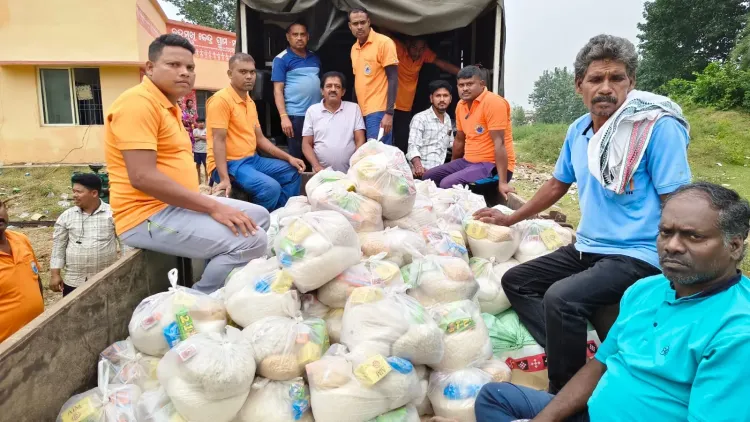
Before a storm can cut them off, the food is already there. As a potential cyclone threatens Odisha's coastline, rescue teams have fanned out into the state's hilly and remote interior, distributing dry rations to residents who would otherwise be entirely unreachable once the storm makes landfall. The Chief Minister's Office of Odisha confirmed the relief push on Thursday, 19 November 2026, posting images of the distribution effort underway in difficult terrain.
The post reads: 'Rescue teams have distributed dry rations to people in hilly areas in preparation for the possible cyclone. Along with delivering essential food supplies to people living in remote areas during the disaster, their needs are being given priority.'Last-Mile Delivery in Terrain That Leaves No Room for Error
Odisha's hilly and tribal interior presents a logistical wall during cyclonic events — roads wash out, communication snaps, and communities can remain stranded for days. The state's pre-positioning of dry rations directly into these pockets before a storm arrives is a deliberate strategy built from decades of painful experience. The 1999 Super Cyclone — which killed more than 10,000 people across Odisha — forced a fundamental rethink of disaster response, shifting the state from reactive rescue to proactive, pre-event relief delivery.
That doctrine has become a defining feature of Odisha's disaster management system. Successive administrations have invested in early-warning networks and last-mile supply chains precisely so that the most vulnerable residents — tribal communities, hill-dwellers, those farthest from relief camps — receive essentials before isolation sets in, not after.
Why Dry Rations, and Why Now
Dry ration kits — typically rice, lentils, flattened rice, salt, and other non-perishables — are designed to sustain a family through the critical hours or days when cooking infrastructure is damaged and supply lines are severed. Distributing them ahead of the storm, rather than during or after, is the difference between food security and a humanitarian crisis inside an already dangerous disaster zone.
Rescue teams operating in hill areas face the added challenge of terrain that standard vehicles cannot navigate once rain intensifies. Deploying them now, while conditions permit access, ensures that even the most inaccessible households are covered. The CMO's statement that residents' 'needs are being given priority' signals that the operation is not a token gesture — teams are actively assessing what each community requires.
A System Built on Hard-Won Lessons
Odisha's reputation for managing Bay of Bengal cyclones is rooted in institutional memory and persistent investment. The state routinely activates multi-agency disaster-management protocols — involving rescue teams, local administration, and community networks — the moment a cyclonic system develops in the Bay. The India Meteorological Department remains the authoritative source for official cyclone bulletins as the situation develops, and further announcements on evacuation orders or relief-camp activation are expected as the storm's track becomes clearer.
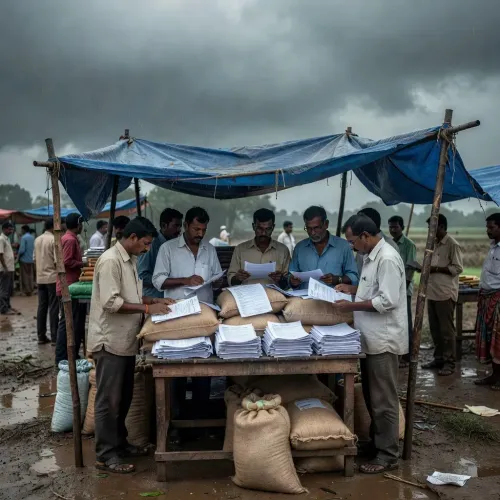
The images shared by the CMO's Office capture rescue personnel in the field, supplies in hand, in terrain that makes the effort visible and concrete. For the communities receiving those rations, the arrival of a rescue team is the government's most credible signal that they have not been forgotten.
Odisha has turned cyclone preparedness into a template other coastal states study — the question now is whether its system holds as the storm approaches.
Point of View
Not after. It reflects a governance model that treats disaster preparedness as an ongoing institutional commitment rather than a crisis-response improvisation. The focus on hilly and tribal pockets signals awareness that mortality in cyclone events often concentrates in areas overlooked by mainstream relief corridors. Whether this cycle's storm materialises at full force or weakens, the operational posture itself sends a message about state capacity and political accountability to marginal communities.
NationPress
19 Nov 2026
Frequently Asked Questions
Why is Odisha distributing dry rations before the cyclone hits?
Rescue teams are pre-positioning dry rations in hilly and remote areas so that residents have essential food supplies before the storm cuts off road access, a strategy Odisha adopted after the devastating 1999 Super Cyclone.
Which areas of Odisha are receiving cyclone relief rations?
The Chief Minister's Office confirmed that hilly and difficult-to-access areas — including remote communities that become unreachable during a cyclone — are the primary focus of the dry-ration distribution drive.
What is a dry ration kit in disaster relief?
A dry ration kit typically includes non-perishable food items such as rice, lentils, flattened rice, and salt — supplies designed to sustain a household through the critical hours or days when cooking infrastructure is damaged and supply lines are severed.
How does Odisha prepare for cyclones compared to other states?
Odisha built one of India's most cited cyclone-preparedness systems after the 1999 Super Cyclone, combining early-warning networks, pre-event evacuation, and last-mile food delivery to tribal and remote communities before storms make landfall.
Where can I get official updates on the Odisha cyclone warning?
Official cyclone bulletins and track updates are issued by the India Meteorological Department, while evacuation orders and relief-camp activations are announced by the Odisha government and the Chief Minister's Office.