Odisha upgrades early warning system with Doppler radars, 360° cameras
Synopsis
Odisha is not waiting for the next cyclone to act. The state is rolling out a six-radar Doppler network, satellite-linked communication across 314 blocks, and 360-degree tower cameras — while also spending ₹35 crore on palm-tree plantations to cut lightning deaths. It is one of India's most detailed state-level disaster tech overhauls in recent years.
Key Takeaways
Odisha has blueprinted an overhaul of its 122 early warning systems spanning 573 km of coastline, installed since 2017 .
New Doppler Weather Radars to be commissioned at Balasore and Bhubaneswar ; a fresh radar will come up at Puri ; existing ones at Gopalpur and Paradip are being upgraded.
All 314 blocks will be linked to the central control room via high-speed satellite telecommunication systems.
Modernised towers will feature 360-degree surveillance cameras .
The state has sanctioned ₹35 crore for palm-tree plantation to reduce lightning fatalities.
BMC is working with IIT Roorkee to tackle urban waterlogging from heavy rainfall.
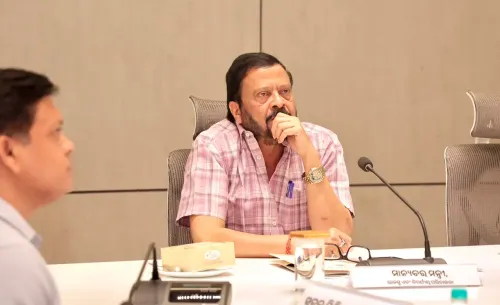
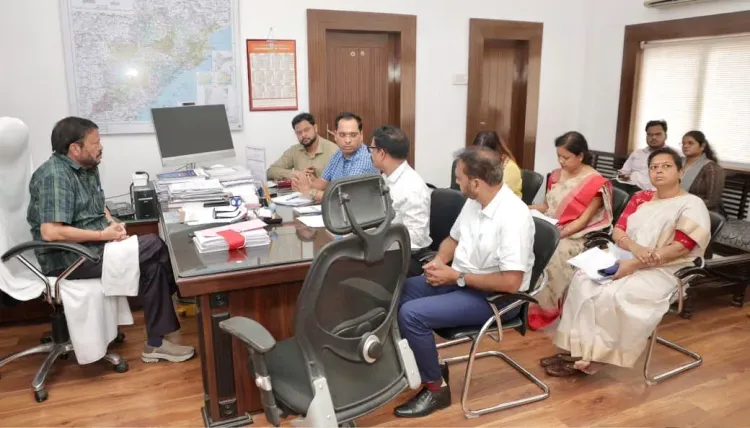
Odisha Revenue and Disaster Management (R&DM) Minister Suresh Pujari on Thursday, 6 August unveiled a comprehensive blueprint to overhaul the state's early warning infrastructure, adding new Doppler Weather Radars, 360-degree surveillance cameras, and satellite telecommunication links to sharpen disaster preparedness across the cyclone-prone coastline.
What the Upgrade Covers
Odisha currently operates 122 early warning systems installed along approximately 573 kilometres of coastline since 2017, including 40 large towers fitted with siren systems and weather-announcement facilities. The state government plans to replace this existing infrastructure with advanced technology capable of delivering faster, more precise alerts ahead of impending disasters.
The modernised towers will feature 360-degree surveillance cameras and be integrated with satellite telecommunication systems. Communication will also be strengthened across all 314 blocks by linking modern high-speed technology to the central control room, according to officials.
Doppler Radar Network Expansion
The minister said the Doppler Weather Radar at Sambalpur has already become operational. Proposed radars at Balasore and Bhubaneswar are set to be commissioned shortly, while repair and upgradation of existing radars at Gopalpur and Paradip are underway. A new radar will additionally be established at Puri.
'Once all these radars become fully operational, weather forecasting in Odisha will become significantly more accurate, thereby strengthening disaster preparedness and response,' Pujari said. Senior departmental officials have already visited Goa and Kerala to study advanced systems and best practices from those states.
Flood Management and Reservoir Oversight
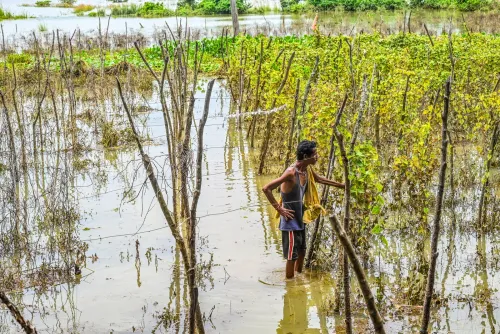
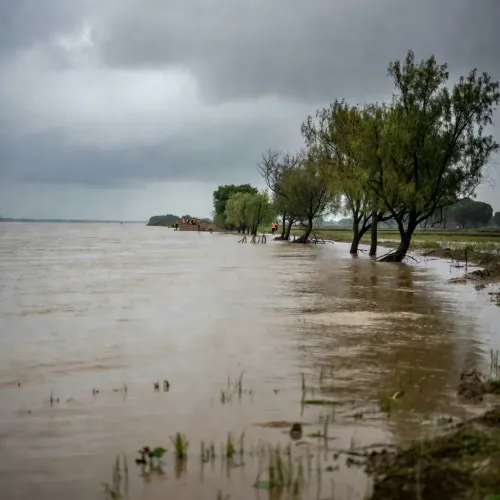
The high-level review meeting, chaired by Pujari, also assessed the recent flood situation across the state. It resolved to strengthen reservoir management, water conservation, river water allocation, and drainage management. Water regulation across river systems will be improved through computerised monitoring and enhanced coordination with neighbouring states.
This comes amid changing weather patterns linked to climate change, which the minister acknowledged as a key driver behind the state's push to adopt state-of-the-art disaster management technologies.
Lightning Deaths and Urban Waterlogging
Addressing a persistent concern, Pujari said the state government has sanctioned ₹35 crore to the Forest Department for plantation of palm trees in agricultural fields — a strategy aimed at reducing lightning-related fatalities, which claim dozens of lives in Odisha each monsoon season.
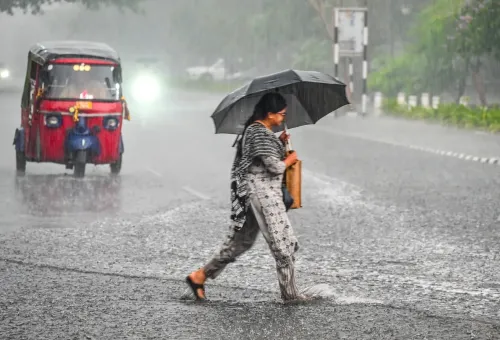
Urban waterlogging caused by heavy rainfall was also discussed. The Bhubaneswar Municipal Corporation (BMC) has already initiated work in collaboration with IIT Roorkee to deploy advanced technologies to address the problem. With the monsoon intensifying annually, the state's multi-pronged approach signals a shift from reactive relief to proactive risk reduction.
Point of View
Not optics. The real gap, however, is the last mile: sirens and cameras mean little if community-level response protocols are not simultaneously drilled. The ₹35 crore palm-tree initiative for lightning mitigation is unconventional but evidence-backed; the question is whether planting timelines will keep pace with monsoon mortality data. Odisha's willingness to benchmark against Goa and Kerala rather than defend the status quo is the right instinct.
NationPress
21 Sept 2026
Frequently Asked Questions
What is Odisha's plan to upgrade its early warning system?
Odisha has prepared a blueprint to replace its existing 122 early warning towers — spread across 573 km of coastline — with advanced systems featuring 360-degree surveillance cameras, satellite telecommunication links, and new Doppler Weather Radars at Balasore, Bhubaneswar, and Puri. The upgrade also covers communication integration across all 314 blocks.
How many Doppler Weather Radars will Odisha have after the expansion?
Once the expansion is complete, Odisha will have operational Doppler radars at Sambalpur (already live), Balasore, Bhubaneswar, Puri, Gopalpur, and Paradip — six locations in total. The minister said this will significantly improve weather forecasting accuracy across the state.
Why has Odisha sanctioned ₹35 crore for palm tree plantation?
The ₹35 crore has been sanctioned to the Forest Department to plant palm trees in agricultural fields as a strategy to reduce lightning-related deaths, which are a recurring monsoon hazard in the state. Palm trees act as natural lightning conductors, diverting strikes away from people in open fields.
What is being done about urban waterlogging in Bhubaneswar?
The Bhubaneswar Municipal Corporation (BMC) has initiated work in collaboration with IIT Roorkee to deploy advanced technologies to address waterlogging caused by heavy rainfall in the city.
How will Odisha improve flood and reservoir management?
The high-level review meeting chaired by Minister Suresh Pujari decided to strengthen reservoir management, water conservation, and drainage through computerised monitoring of river systems and enhanced coordination with neighbouring states.