Oil PSU LPG losses cross ₹59,000 crore amid West Asia crisis
Synopsis
India's three state-owned oil giants have quietly absorbed more than ₹59,000 crore in LPG losses — even after government compensation — as the West Asia crisis drove the global LPG benchmark up 46% in months. With the Strait of Hormuz still disrupted and the implicit cylinder subsidy still at ₹188, the bill is not done growing.
Key Takeaways
Indian Oil , Bharat Petroleum , and Hindustan Petroleum have accumulated over ₹59,000 crore in LPG under-recoveries as of 31 July 2026 .
The domestic 14.2 kg LPG cylinder is priced at ₹942 in Delhi; the implicit subsidy peaked at over ₹700 per cylinder in June 2026 and stands at ₹188 in August.
More than 10.5 crore Ujjwala beneficiaries pay an effective price of ₹642 per cylinder after a targeted subsidy of ₹300 .
The Centre has paid ₹22,000 crore in compensation in FY23 and will pay ₹30,000 crore each in FY26 and FY27 — still insufficient to cover accumulated losses.
The Saudi CP LPG blended benchmark surged 46% from $543 a tonne in February to $790 a tonne in June following the closure of the Strait of Hormuz .
India's petrol prices rose just 8.1% and diesel 11.5% between June 2021 and June 2026, well below increases in most developed and neighbouring countries.
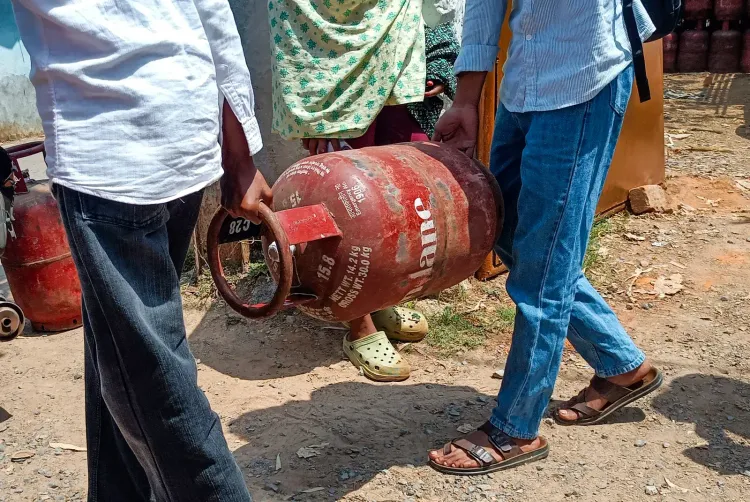
Indian Oil, Bharat Petroleum, and Hindustan Petroleum — India's three state-owned oil marketing companies (OMCs) — have accumulated cumulative under-recoveries of more than ₹59,000 crore on domestic LPG sales as of 31 July 2026, the Parliament was informed on Monday, 10 August. The losses stem from the government's decision to hold retail cooking gas prices below surging international market rates, a policy strain triggered by the West Asia crisis and the closure of the Strait of Hormuz.
Current Retail Price and Implicit Subsidy
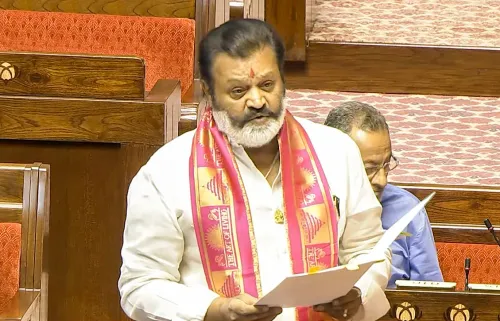
The retail selling price (RSP) of a domestic 14.2 kg LPG cylinder has been held at ₹942 in Delhi since June 2026. According to Minister of State for Petroleum and Natural Gas Suresh Gopi, who replied in writing to a question in the Rajya Sabha, this price carried an implicit subsidy — or under-recovery — of more than ₹700 per cylinder in June 2026 and approximately ₹500 per cylinder in July 2026. By August, the implicit subsidy had narrowed to ₹188 per cylinder, reflecting some easing in international benchmarks.
Ujjwala Beneficiaries: A Targeted Buffer
For the more than 10.5 crore beneficiaries under the Pradhan Mantri Ujjwala Yojana (PMUY), the effective price is further reduced to ₹642 per cylinder — up to 4 refills per year — after a targeted subsidy of ₹300 per cylinder. This two-tier pricing structure means the government is simultaneously absorbing market-level losses at the OMC level and providing an additional cash transfer to the most economically vulnerable households.
Government Compensation Falls Short
The Centre has paid the three OMCs a compensation of ₹22,000 crore in FY23 and has committed to paying ₹30,000 crore each in FY26 and FY27. However, as Gopi noted in his parliamentary reply, even after accounting for these payments, the accumulated under-recoveries of the public sector oil companies on domestic LPG stood at more than ₹59,000 crore as of 31 July 2026 alone — underscoring how rapidly the gap has widened.
The West Asia Shock Behind the Numbers
The scale of losses is directly tied to a dramatic spike in global LPG benchmarks. Prior to the disruption, the Saudi Contract Price (Saudi CP) for the 50:50 propane-butane blend used in India's LPG supply stood at approximately $543 a tonne in February. Following the closure of the Strait of Hormuz in late February, the April contract price — the first set after the disruption tightened Mideast Gulf exports — surged to $775 a tonne, with propane at $750 and butane at $800. By June, the blended benchmark had edged further to $790 a tonne, according to official data — a rise of approximately 46% from the pre-crisis February level.
Petrol and Diesel: India's Comparative Restraint
Separately, the minister informed Parliament that despite unprecedented volatility in international crude oil and product prices, India's retail fuel price increases have been considerably more restrained than those seen in major developed and neighbouring countries. Government data shows that petrol prices at Indian retail outlets rose by 8.1% between June 2021 and June 2026, while diesel prices increased by 11.5% over the same period. This comes amid a broader global energy price shock that has pushed fuel costs sharply higher across Europe, the US, and several South Asian neighbours.
With international LPG benchmarks still elevated and the West Asia situation unresolved, the trajectory of OMC under-recoveries in the coming quarters will hinge on whether global supply routes normalise — and whether the government opts to pass on any further cost relief or absorb the burden through additional compensation.
Point of View
000 crore figure is a politically managed number — the government has chosen to absorb an enormous fiscal hit rather than pass costs to consumers, particularly ahead of state election cycles. But compensation of ₹30,000 crore in FY26 still leaves a multi-thousand-crore gap on the OMCs' books, quietly eroding their balance sheets. The deeper risk is structural: if the Strait of Hormuz disruption persists and Saudi CP benchmarks stay elevated, no compensation package calibrated on pre-crisis assumptions will be adequate. India's LPG pricing policy has long traded short-term consumer protection for long-term OMC financial health — and that trade-off is now visibly fraying.
NationPress
25 Sept 2026
Frequently Asked Questions
What are LPG under-recoveries and why have they crossed ₹59,000 crore?
LPG under-recoveries refer to the losses oil marketing companies incur when they sell cooking gas below the prevailing market price. They have crossed ₹59,000 crore as of 31 July 2026 because the West Asia crisis and closure of the Strait of Hormuz drove global LPG benchmarks up by about 46%, while the domestic retail price was held at ₹942 per 14.2 kg cylinder in Delhi.
How much is the current LPG subsidy per cylinder in India?
As of August 2026, the implicit subsidy on a domestic 14.2 kg LPG cylinder is ₹188 per cylinder. This was significantly higher in earlier months — over ₹700 per cylinder in June 2026 and around ₹500 in July 2026 — as international prices spiked sharply.
What relief do Ujjwala Yojana beneficiaries get on LPG?
More than 10.5 crore Pradhan Mantri Ujjwala Yojana (PMUY) beneficiaries pay an effective price of ₹642 per cylinder for up to 4 refills per year, after receiving a targeted subsidy of ₹300 per cylinder directly from the government.
How much has the government compensated oil companies for LPG losses?
The Centre paid Indian Oil, Bharat Petroleum, and Hindustan Petroleum ₹22,000 crore in FY23 and has committed to paying ₹30,000 crore in both FY26 and FY27. Even after these payments, accumulated under-recoveries on domestic LPG exceeded ₹59,000 crore as of 31 July 2026.
How has the West Asia crisis affected LPG prices globally?
The closure of the Strait of Hormuz in late February 2026 sharply tightened Mideast Gulf LPG exports. The Saudi Contract Price for the 50:50 propane-butane blend used in India rose from about $543 a tonne in February to $775 a tonne in April and further to $790 a tonne in June — a rise of approximately 46% in a few months, according to official data.