Petrol, diesel, LPG price revision hinges on global crude supply: Suresh Gopi
Synopsis
India's fuel prices are in a holding pattern — and the government wants you to know it's watching. With state oil firms bleeding ₹600–750 crore daily in under-recoveries and the Strait of Hormuz under geopolitical strain, the Centre is betting on a US-Iran deal to bring relief before it has to move on pump prices.
Key Takeaways
Suresh Gopi said on 14 June that petrol, diesel, and LPG price revision depends on global crude oil supply stability.
Petroleum Minister Hardeep Singh Puri cited the Iran-US-Israel conflict as a key driver of fuel price pressures.
State-run oil firms Indian Oil , Bharat Petroleum , and Hindustan Petroleum are absorbing under-recoveries of ₹600–750 crore per day .
A US-Iran peace deal reportedly close to signing could reopen the Strait of Hormuz , easing global energy prices.
Around 20 per cent of global oil and gas exports transit through the Strait of Hormuz.
In May , India was the second-largest importer of Russian oil after China, with imports also diversified to Venezuela, Nigeria, and Angola .
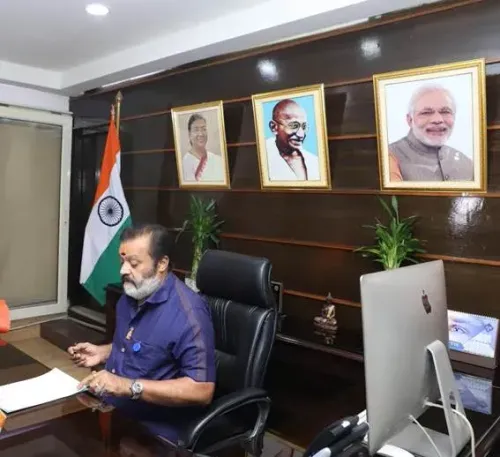
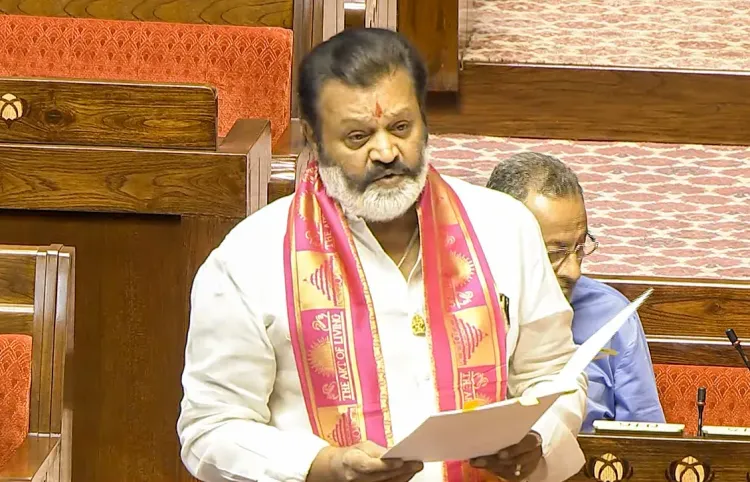
Union Minister of State for Petroleum and Natural Gas Suresh Gopi said on Sunday, 14 June that any revision in domestic prices of petrol, diesel, and LPG would be contingent on the availability and stability of crude oil supplies in the global market. Gopi made the remarks while speaking to reporters in Thrissur district, Kerala, signalling that the Centre is in a wait-and-watch mode on fuel pricing.
What the Minister Said
'Let us see the supply of crude oil. We have the minister concerned, Hardeep Singh Puri. Let it come,' Gopi said in response to questions on the possibility of a price revision. He added that assessments would be made based on the flow of crude oil supplies and the broader energy situation.
Separately, Petroleum and Natural Gas Minister Hardeep Singh Puri had on Saturday said in Ludhiana that the geopolitical conflict involving Iran, the United States, and Israel had intensified challenges in the petroleum sector and contributed to a rise in petrol prices. Puri, however, maintained that the Central government had taken steps to ensure citizens are not severely impacted by the global price surge.
The Strain on Public Sector Oil Companies
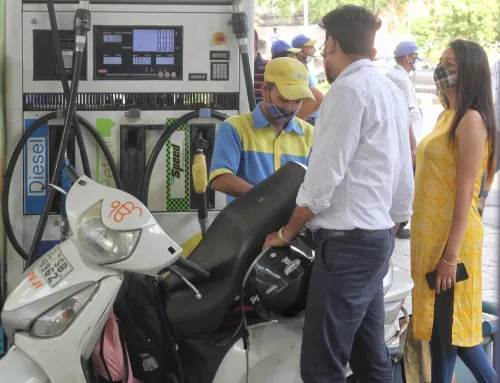
State-run oil marketing companies — Indian Oil, Bharat Petroleum, and Hindustan Petroleum — are currently absorbing losses to shield consumers from the global oil price spike. According to officials, the under-recoveries of these marketing firms stand at approximately ₹600 crore to ₹750 crore per day on the sale of petrol, diesel, and domestic LPG. Despite recent retail price increases, the gap between global crude costs and domestic pump prices remains a significant financial burden on these firms.
Hormuz Strait and the Iran-US Peace Deal
There is, however, a potential relief on the horizon. Reports indicate that a US-Iran peace deal is close to being finalised, which could lead to the reopening of the Strait of Hormuz — a critical maritime corridor through which approximately 20 per cent of the world's oil and gas exports transit. Any resumption of unhindered shipping through the strait is expected to ease global energy prices. A blockage of the waterway has historically triggered sharp spikes in crude prices worldwide.
India's Alternative Sourcing Strategy
To manage supply disruptions, India has been diversifying its crude oil import sources. The country has ramped up purchases from Venezuela and African nations including Nigeria and Angola. Imports from Russia have also been significantly increased — in May, India emerged as the second-largest importer of Russian oil globally, trailing only China. This multi-source strategy reflects the Centre's effort to insulate domestic supply chains from geopolitical volatility.
With global crude markets in flux and a potential diplomatic breakthrough in the Iran-US standoff, the government's next move on fuel prices will be closely watched by consumers and the energy sector alike.
Point of View
Not a policy position — and the ₹600–750 crore daily under-recovery figure reveals why. Public sector oil companies are effectively subsidising pump prices off their balance sheets, a burden that compounds with every week of geopolitical uncertainty. The bet on a US-Iran deal reopening the Strait of Hormuz is real but fragile; diplomatic timelines rarely align with energy market needs. Meanwhile, India's pivot to Russian, Venezuelan, and African crude is pragmatic but quietly exposes the limits of the government's ability to control the price narrative when global supply chains are this volatile.
NationPress
27 Sept 2026
Frequently Asked Questions
Will petrol, diesel, and LPG prices be revised soon in India?
The government has not announced any imminent revision. Minister of State Suresh Gopi said on 14 June that any price change would depend on the availability and stability of global crude oil supplies, signalling a wait-and-watch approach.
Why are global oil prices elevated right now?
Petroleum Minister Hardeep Singh Puri attributed the rise to geopolitical tensions involving Iran, the United States, and Israel, which have disrupted supply chains and created uncertainty around the Strait of Hormuz — a critical oil transit route.
How much are Indian oil companies losing on fuel sales?
Indian Oil, Bharat Petroleum, and Hindustan Petroleum are collectively absorbing under-recoveries of approximately ₹600 crore to ₹750 crore per day on the sale of petrol, diesel, and domestic LPG, according to officials.
What is the Strait of Hormuz and why does it matter for India?
The Strait of Hormuz is a narrow maritime corridor through which about 20 per cent of the world's oil and gas exports pass. Any disruption to shipping through it causes global crude prices to spike, directly affecting India's import costs and domestic fuel prices.
Where is India sourcing crude oil from amid global supply disruptions?
India has diversified its crude imports to include Russia — of which it was the second-largest buyer in May — as well as Venezuela, Nigeria, and Angola, reducing dependence on any single supply corridor.