Crude oil price drop won't cut petrol, diesel rates immediately: Suresh Gopi
Synopsis
Despite Brent crude falling to $78 and WTI to $75, India's petrol and diesel prices won't drop immediately — Minister Suresh Gopi says cheaper crude still has to navigate Strait of Hormuz shipping delays, and the government has already absorbed a ₹12,000 crore hit to protect consumers from earlier price spikes.
Key Takeaways
Minister of State Suresh Gopi said on 18 June that lower global crude prices do not guarantee an immediate cut in petrol and diesel prices in India.
Transit delays via the Strait of Hormuz mean cheaper crude takes time to reach Indian refineries.
The central government absorbed ₹12,000 crore in losses to cushion consumers from earlier crude price spikes.
No state government reduced fuel duties during the period of elevated prices, according to Gopi.
Brent crude fell 1.64% to $78 per barrel and WTI dropped 2% to $75 per barrel on Thursday.
The decline in crude prices was linked to diplomatic progress aimed at easing West Asia tensions.
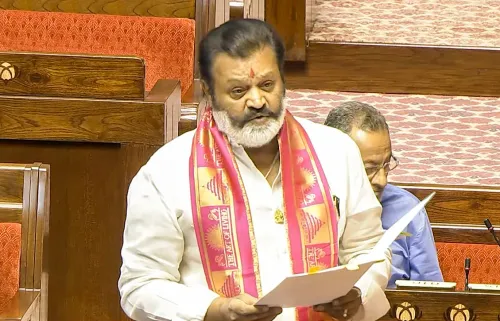
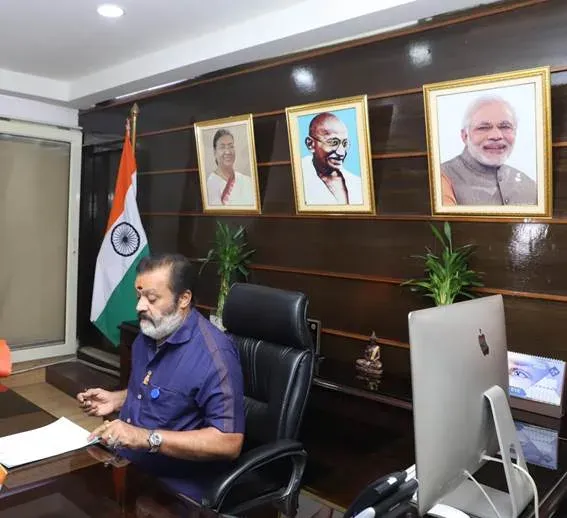
Minister of State for Petroleum & Natural Gas and Tourism Suresh Gopi on Thursday, 18 June said that a fall in global crude oil prices does not automatically lead to an immediate reduction in petrol and diesel prices in India. Speaking to reporters in New Delhi, Gopi cautioned against expecting an instant rollback of recent fuel price increases simply because international benchmarks have softened.
Why Cheaper Crude Takes Time to Reach Consumers
Gopi explained that domestic fuel pricing is shaped by a range of market and logistical variables — not merely by movements in international crude benchmarks. A key factor, he noted, is the transit time required for crude purchased at lower rates to physically arrive in India.
'It will take time as the cheaper crude has to be transported to India via the Strait of Hormuz, which will see excessive ship traffic. Things will have to be normalised,' the minister said.
Government Absorbed ₹12,000 Crore Burden
Gopi said that oil marketing companies (OMCs) faced significant stress due to volatility in global energy markets following the conflict in West Asia earlier this year. He added that the central government stepped in to absorb a substantial share of the burden to shield consumers from the full impact of elevated crude prices.
'By absorbing the impact, the government lost ₹12,000 crore. None of the states reduced their revenue by charging lower duties on higher fuel prices. The central government has to run and the oil companies have to survive,' Gopi said.
Where Crude Prices Stand
On Thursday, international crude benchmarks declined amid progress in diplomatic efforts to ease tensions in West Asia. Brent crude fell 1.64% to trade at around $78 per barrel, while US West Texas Intermediate (WTI) crude dropped 2% to approximately $75 per barrel.
What This Means for Consumers
The minister's remarks signal that fuel price relief, if it comes, will be gradual rather than immediate. The pricing mechanism for petrol and diesel in India involves multiple layers — crude procurement cycles, refinery costs, OMC margins, and central and state taxes — meaning any pass-through of lower crude costs to consumers takes time to work through the system. Notably, state governments have not moved to reduce their levies on fuel despite higher prices, a point Gopi flagged directly.
With diplomatic efforts in West Asia showing some results and crude benchmarks easing, the trajectory of global energy prices in the coming weeks will be closely watched by both OMCs and policymakers.
Point of View
But they also reveal a structural tension in India's fuel pricing architecture. The government claims it absorbed ₹12,000 crore to protect consumers on the way up — yet no matching commitment exists to pass on savings on the way down. State governments, which collect significant revenue through fuel levies, escaped scrutiny entirely during the price spike. The Strait of Hormuz transit argument is legitimate, but it has a shelf life of weeks, not months. If crude stays soft and prices don't follow, the political cost of inaction will rise — especially with consumers already strained by earlier hikes.
NationPress
19 Sept 2026
Frequently Asked Questions
Why won't petrol and diesel prices fall immediately despite lower crude oil prices?
Minister Suresh Gopi explained that cheaper crude oil still needs to be physically transported to India, including through the Strait of Hormuz where shipping traffic is heavy. Domestic fuel pricing also factors in OMC margins, refinery costs, and central and state taxes, making any pass-through gradual rather than instant.
How much did the government lose by absorbing higher crude oil costs?
According to Gopi, the central government absorbed a loss of ₹12,000 crore to shield consumers from the full impact of elevated global crude prices earlier this year. He also noted that no state government reduced its fuel duties during the same period.
What are current international crude oil prices?
On Thursday, 18 June, Brent crude was trading around $78 per barrel, down 1.64%, while US West Texas Intermediate (WTI) crude fell 2% to approximately $75 per barrel. The decline followed diplomatic progress on easing West Asia tensions.
What role does the Strait of Hormuz play in India's fuel pricing?
The Strait of Hormuz is a critical shipping lane through which crude oil destined for India is transported. Gopi cited heavy vessel traffic there as one reason why cheaper crude purchased today takes time to reach Indian refineries and eventually translate into lower pump prices.
Who is Suresh Gopi and what is his role?
Suresh Gopi is the Minister of State for Petroleum & Natural Gas and Tourism in the Indian government. He made these remarks to reporters in New Delhi on 18 June, addressing public expectations around fuel price reductions following the recent dip in global crude benchmarks.