India limits fuel price pass-through amid 70% global crude surge: KPMG
Synopsis
India's oil companies are quietly absorbing 75% of a 70% global crude price surge, passing on just ₹5 per litre to consumers — a deliberate buffer that cannot hold indefinitely. KPMG's Anish De warns further hikes are on the table if crude stays high, and flags natural gas GST inclusion as the more urgent policy fix.
Key Takeaways
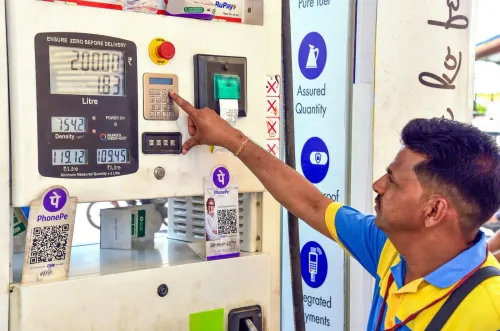
Global crude oil prices have risen nearly 70% , but Indian retail prices increased by only approximately ₹5 per litre .
Oil companies are absorbing roughly 75% of under-recovery costs; only 25% has been passed to consumers.
Anish De , KPMG International's Global Head for Energy, Natural Resources and Chemicals, confirmed India faces no fuel supply shortage at wholesale or retail level.
Further retail price hikes remain possible if global crude prices stay elevated, De said.
De recommended bringing natural gas under GST before extending the tax framework to petrol and diesel.
India has absorbed much of the shock from a 70% rise in global crude oil prices by passing on only a fraction of that increase to consumers, according to Anish De, Global Head for Energy, Natural Resources and Chemicals at KPMG International. Speaking on 23 May, De said the government has maintained stable fuel availability nationwide, backed by strong refining capacity and uninterrupted supply chains.
The Price Gap: What Consumers Paid vs What Crude Did
Petrol and diesel prices in India rose by approximately ₹5 per litre in recent adjustments — a modest increase relative to the near 70% surge in international crude benchmarks. De attributed this gap to the structural lag between global crude movements and domestic retail price revisions.
'The recent hikes came several weeks after crude prices increased. There is still a significant gap in cost recovery,' he said. He added that roughly 25% of the losses have been covered through recent price increases, while the remaining 75% continues to be absorbed by oil companies — pointing to sustained under-recovery in the fuel pricing system.
Supply Remains Stable Despite Volatility
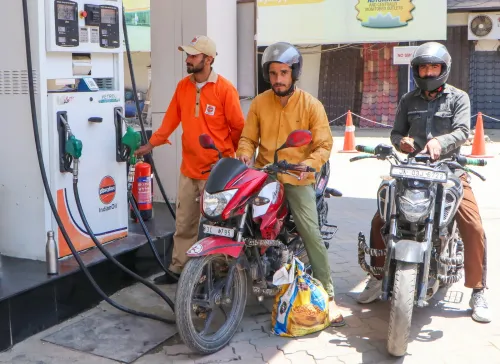
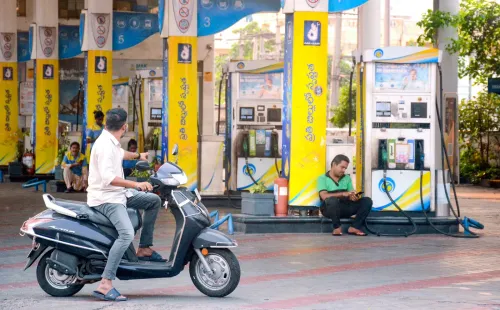
De was emphatic that India faces no fuel shortage at either the wholesale or retail level. 'There is no shortage of crude availability in global markets, and India has sufficient refining capacity. Supply is not an issue,' he said. When asked about reported outages at some retail fuel outlets, De clarified he was not tracking those operational specifics and said such details are best addressed directly by the oil companies concerned.
Further Price Hikes Cannot Be Ruled Out
Looking ahead, De cautioned that additional retail price increases remain possible if global crude stays elevated. 'If oil continues to stay high, there is every possibility of further hikes,' he said. He described the bulk of cost recovery as still pending, adding that pricing decisions ultimately rest with the oil companies rather than the government. On the question of a potential rollback should crude moderate, he maintained that 'a lot of pent-up recovery is still pending' — suggesting companies would be unlikely to reduce prices quickly even if global benchmarks ease.
GST on Natural Gas Should Come Before Petrol, Diesel
On the policy front, De argued that bringing natural gas under the Goods and Services Tax (GST) framework should take priority over extending GST to petrol and diesel. 'In my view, natural gas should be brought under GST as soon as possible. Petrol and diesel can follow later,' he said. This comes amid a long-running debate in India over whether to include transport fuels in the unified tax regime, a move that could alter both pricing and revenue-sharing between the Centre and states.
India's Refining Strength as a Buffer
This is not the first time India's refining infrastructure has served as a buffer against global energy shocks. The country has significantly expanded its refining capacity over the past decade, and its diversified crude sourcing — including increased volumes from Russia following the 2022 sanctions-driven discount — has given oil companies greater flexibility in managing input costs. De underscored that this structural resilience, combined with adequate global crude availability, positions India to maintain supply stability even in a volatile international environment. How long companies can sustain the remaining 75% under-recovery without further retail price adjustments will be the critical test in the months ahead.
Point of View
But it is really a deferred reckoning — oil companies are sitting on 75% unrecovered costs with no clear timeline for relief. India has used this playbook before: absorb during election cycles, adjust later. The more structural concern is that under-recovery at this scale erodes the financial health of state-run oil companies, which in turn limits their capacity to invest in the refining and distribution upgrades India needs. De's call to prioritise natural gas under GST is the right sequencing, but it has been on the policy agenda for years without resolution. The real question is whether this crude cycle will finally force the hand on fuel tax reform.
NationPress
6 Oct 2026
Frequently Asked Questions
Why have petrol and diesel prices not risen more despite the global crude surge?
India has deliberately limited the pass-through of global crude price increases to consumers. While international crude rose nearly 70%, domestic retail prices increased by only about ₹5 per litre, with oil companies absorbing the remaining 75% of under-recovery costs, according to KPMG's Anish De.
Is India facing a fuel shortage due to global crude volatility?
No. Anish De of KPMG International stated clearly that India has sufficient refining capacity and that global crude availability remains adequate. Supply is not an issue at either the wholesale or retail level.
Will petrol and diesel prices rise further in India?
Further hikes cannot be ruled out. De said that if global crude oil prices remain elevated, 'there is every possibility of further hikes,' noting that a significant portion of cost recovery by oil companies is still pending.
What is under-recovery in fuel pricing and why does it matter?
Under-recovery refers to the gap between what oil companies pay to produce or procure fuel and what they recover through retail prices. Currently, companies are absorbing approximately 75% of that gap, which strains their finances and could limit future investment in energy infrastructure.
What did the KPMG expert say about GST on petrol and diesel?
Anish De recommended that natural gas be brought under the GST framework as a priority before extending GST to petrol and diesel. He said this sequencing makes more policy sense given the current structure of India's fuel taxation.