Puri: India kept pumps full during Hormuz crisis
Synopsis
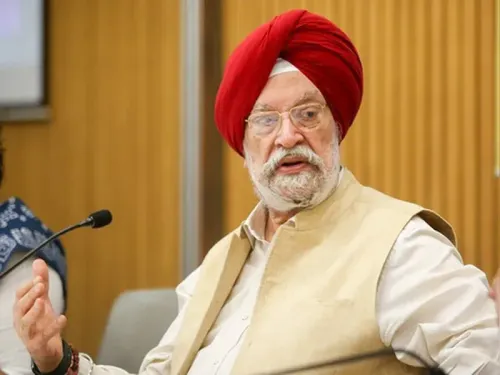
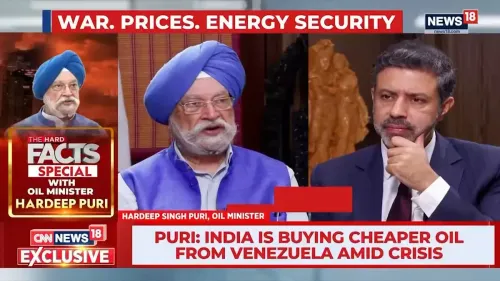
Petroleum Minister Hardeep Singh Puri writes in an Independence Day column that India weathered a Strait of Hormuz disruption without a single rationed pump or price shock — LPG output surged 28% in five days as refineries ran beyond capacity and the state machinery moved as one.
Key Takeaways
Union Petroleum Minister Hardeep Singh Puri published a column in the Outlook India Independence Day edition (14 August 2026) on India's energy response to a Strait of Hormuz disruption.
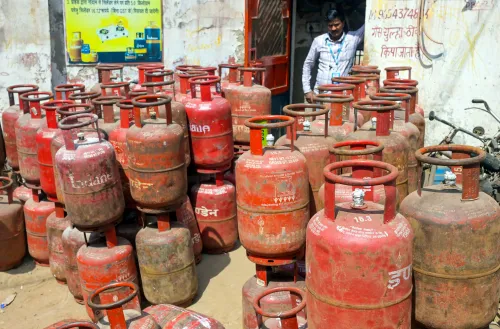
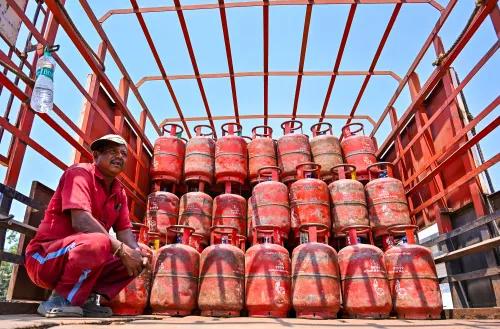
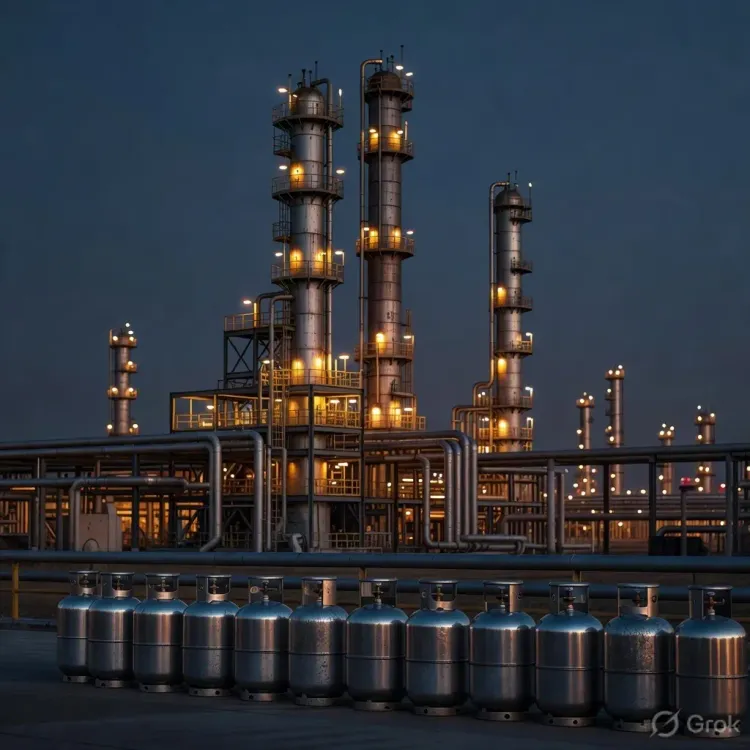
LPG production rose 28% in five days as refineries were pushed beyond rated capacity during the crisis.
India maintained steady energy imports and ramped up domestic output simultaneously, keeping demand fully met for four months .
No rationed pumps, no transport disruption, and no price shock reached consumers — Puri credits coordinated state machinery and PM Modi's leadership.
The episode is framed as validation of India's long-term strategy of energy diversification and strategic autonomy in a shifting global order.
The Pradhan Mantri Ujjwala Yojana (2016) LPG distribution infrastructure is part of the policy lineage Puri points to as enabling the rapid response.
For four months, Indian citizens never queued at a rationed pump, never faced an empty LPG cylinder, never felt the tremors of a global energy shock that rattled supply chains across the world. That invisibility, Union Petroleum Minister Hardeep Singh Puri argues in a new column for the Independence Day edition of Outlook India magazine, was the whole point — and the proof of a system that held.
What the Hormuz crisis looked like from inside India's control rooms
Writing in the magazine's Independence Day edition published on 14 August 2026, Puri describes how geopolitical pressure on the Strait of Hormuz — the narrow waterway between Iran and Oman through which a significant share of the world's crude oil transits — threatened to squeeze India's energy supply. The response, he writes, was immediate and coordinated: refineries were pushed beyond their rated capacity, LPG production rose 28% in five days, and both imports and domestic output were scaled up simultaneously to ensure demand remained fully met.
The numbers are striking. A 28% surge in LPG output within five days is not a routine operational adjustment — it is the kind of emergency mobilisation that requires pre-positioned supply chains, spare refining headroom, and a logistics network already stress-tested. Puri's account suggests all three were in place before the crisis arrived.
Strategic autonomy, tested in real time
'While the concept of strategic autonomy is changing in a shifting global order, India successfully navigated the Strait of Hormuz crisis,' Puri writes. The phrase carries weight. India has long framed its foreign and energy policy around non-alignment and diversified partnerships — buying crude from Russia, the Gulf, Africa, and the Americas rather than anchoring to any single supplier. That diversification, combined with expanded domestic refining capacity built up over the Modi government's tenure since 2014, gave India the buffer it needed when Hormuz tightened.
The policy lineage runs deeper. The Pradhan Mantri Ujjwala Yojana, launched in 2016, expanded LPG access and the distribution infrastructure that underpins it — infrastructure that, Puri's account implies, proved its worth under pressure. When the crisis hit, the last-mile network was already there.
Citizens shielded, state machinery moved as one
Puri reserves his sharpest framing for the consumer dimension. 'PM Modi Ji ensured that consumers were shielded from any price shock,' he writes. 'The entire state machinery moved as one, and citizens saw only the full LPG cylinder at their doorstep.' For four months — no rationed pumps, no disruption to transport or industry, no interruption to normal life. The test of resilience, in his formulation, is precisely what the citizen never experiences.
That framing — crisis made invisible — is both a policy claim and a political one. It positions the government's energy management not as crisis response but as seamless governance: the machinery running so smoothly that the emergency never registered at the kitchen table or the fuel station.
On the eve of India's Independence Day, the minister's column lands as a deliberate statement: that energy sovereignty — like national sovereignty — is ultimately measured not in declarations but in uninterrupted supply.
Point of View
No price spikes — the minister reframes crisis management as the highest form of governance. The column also implicitly advances the BJP's broader argument that infrastructure investments made since 2014, from Ujjwala to refinery expansion, have compounded into genuine national resilience. Watch for whether the Petroleum Ministry follows with hard data on strategic petroleum reserve additions or import-diversification targets, which would convert a political column into a verifiable policy record.
NationPress
28 Sept 2026
Frequently Asked Questions
What happened to India's fuel supply during the Strait of Hormuz crisis?
According to Petroleum Minister Hardeep Singh Puri, India maintained uninterrupted fuel and LPG supply throughout the Hormuz disruption — no pumps were rationed and no price shock reached consumers. Refineries were pushed beyond capacity and LPG production rose 28% in five days.
What is the Strait of Hormuz and why does it matter for India?
The Strait of Hormuz is a narrow waterway between Iran and Oman through which a large share of global crude oil shipments pass. India imports significant volumes of crude oil from the Middle East, making Hormuz a critical transit point for its energy security.
What did Hardeep Singh Puri write in Outlook India on Independence Day 2026?
Puri wrote a column arguing that India successfully navigated the Hormuz crisis through coordinated state action — surging LPG output, pushing refineries beyond capacity, and diversifying imports — without any disruption to citizens' daily lives or fuel access.
How did India's LPG supply hold up during the Hormuz disruption?
Puri states that LPG production was increased by 28% within five days of the crisis, and that citizens continued to receive full cylinders at their doorstep without interruption throughout the four-month period.
What is India's energy strategic autonomy policy?
India's strategic autonomy in energy refers to its policy of diversifying crude oil sources across Russia, the Gulf, Africa, and the Americas, expanding domestic refining capacity, and building LPG distribution infrastructure — reducing dependence on any single supplier or transit route.