Omar Abdullah Condemns Attack on Sukhbir Singh Badal, Flags Security Lapses

Synopsis
J&K Chief Minister Omar Abdullah condemned the attack on Shiromani Akali Dal leader Sukhbir Singh Badal on August 13, 2026, joining his father Farooq Abdullah in calling it a threat to democracy — and sharply questioning why security was not tightened after a prior Amritsar assassination attempt.
Key Takeaways
Omar Abdullah issued a strong condemnation of the attack on Sukhbir Singh Badal on August 13, 2026 .
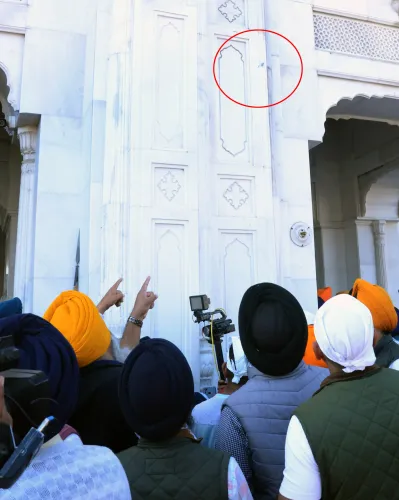
Abdullah explicitly noted that Badal had survived an earlier assassination attempt in Amritsar , and questioned why protective measures were not strengthened after that incident.
Farooq Abdullah , senior JKNC leader and Omar's father, also joined in condemning the attack.
The statement is cross-party — the National Conference and Shiromani Akali Dal are not political allies — giving it added democratic weight.
Abdullah framed the attack as having 'no place and no justification in a democracy,' signalling an appeal to constitutional norms over partisan lines.
The incident raises questions about security review protocols for threatened political figures in Punjab.
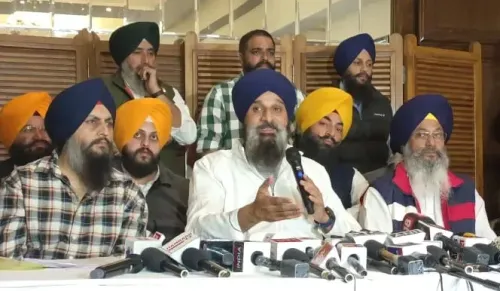
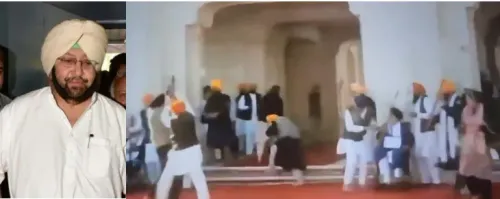
An attack on a former Deputy Chief Minister of Punjab has drawn sharp cross-party condemnation — and a pointed question about why the state failed to act after the first warning. Jammu and Kashmir Chief Minister Omar Abdullah on Thursday, August 13, 2026, issued a strong statement condemning what he described as a 'heinous attack' on Shiromani Akali Dal leader Sukhbir Singh Badal, joining his father and party colleagues in calling it an assault on democratic values.
Omar Abdullah's Rebuke: 'Nothing Seems to Have Been Done'
Abdullah's condemnation went beyond ritual outrage. The sharpest line in his post was a direct indictment of security arrangements: that after Sukhbir survived an earlier attempted assassination in Amritsar, the system apparently failed to upgrade his protection. 'What is shocking is that after Sukhbir survived an attempted assassination attempt in Amritsar earlier, nothing seems to have been done to protect him better,' Abdullah wrote.
That framing transforms this from a condolence post into an accountability statement. It names a prior incident, implies institutional negligence, and demands an answer — all in one sentence. The criticism is pointed but measured, the kind a senior opposition voice delivers when facts are on his side.
Sukhbir Singh Badal: A Target Twice Over
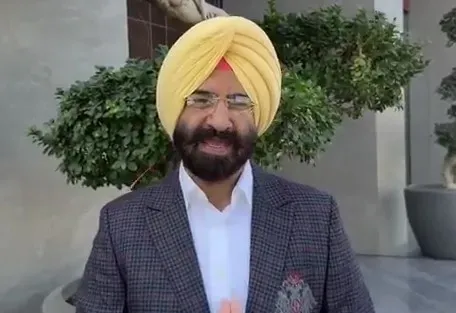
Sukhbir Singh Badal, a prominent face of the Shiromani Akali Dal and former Deputy Chief Minister of Punjab, has now survived more than one attempt on his life. The reference to the earlier Amritsar incident underscores a pattern that security planners and the Punjab government will be pressed to explain. For a figure of his political stature, the adequacy of his protection detail is a legitimate question of state responsibility.
Cross-Party Solidarity and What It Signals
Abdullah's statement carries added weight because it is explicitly cross-party. The Jammu and Kashmir National Conference and the Shiromani Akali Dal are not natural political allies — making the condemnation a signal that democratic norms, not partisan interest, are at stake. Farooq Abdullah, the senior JKNC leader and Omar's father, is cited as joining the condemnation, lending the statement the authority of two generations of political leadership.
In Indian political life, cross-party condemnations of violence serve a specific function: they draw a line that all parties agree not to cross, regardless of electoral rivalry. The fact that this one comes with a specific critique of security failures raises the stakes beyond the ceremonial.
The Security Question That Now Demands an Answer
The incident will inevitably trigger scrutiny of the Punjab government's security review processes after the Amritsar attack. Were threat assessments updated? Was Badal's protection category revised? These are the questions investigators and opposition leaders will press in the days ahead. Abdullah has already put them on the record.
Violence against political figures — wherever it occurs — is a stress test for democratic institutions. The test this time is not just whether the perpetrators are caught, but whether the state can explain why a known target was left exposed a second time.
Point of View
He moves the conversation from condemnation to negligence — a politically significant shift. Cross-party condemnations in India are routine, but ones that name a specific prior incident and question state action are rarer and carry more institutional pressure. The statement also reflects a broader pattern of National Conference positioning itself as a voice for constitutional norms, not just regional interests.
NationPress
13 Aug 2026
Frequently Asked Questions
What did Omar Abdullah say about the attack on Sukhbir Singh Badal?
Omar Abdullah condemned the attack in the strongest terms, calling it heinous and stating it has no place in a democracy. He also questioned why Badal's security was not improved after he survived an earlier assassination attempt in Amritsar.
Who is Sukhbir Singh Badal?
Sukhbir Singh Badal is a senior leader of the Shiromani Akali Dal and a former Deputy Chief Minister of Punjab, one of the most prominent opposition figures in the state.
Was there an earlier attack on Sukhbir Singh Badal?
According to Omar Abdullah's post, Sukhbir Singh Badal survived an earlier attempted assassination in Amritsar before the August 13, 2026 attack. Specific details of that prior incident have not been independently verified.
Why did Omar Abdullah also mention his father Farooq Abdullah?
Omar Abdullah noted that his father Farooq Abdullah, the senior National Conference leader, also joined in condemning the attack, presenting the condemnation as a unified stance from the party's leadership.
What does this attack mean for political security in Punjab?
The attack raises serious questions about security protocols for threatened political figures in Punjab, particularly whether threat assessments were updated and protection upgraded after the prior Amritsar incident involving Badal.