Omar Abdullah Condoles Death of HC Ashiq Hussain in Anantnag Terror Attack
Synopsis
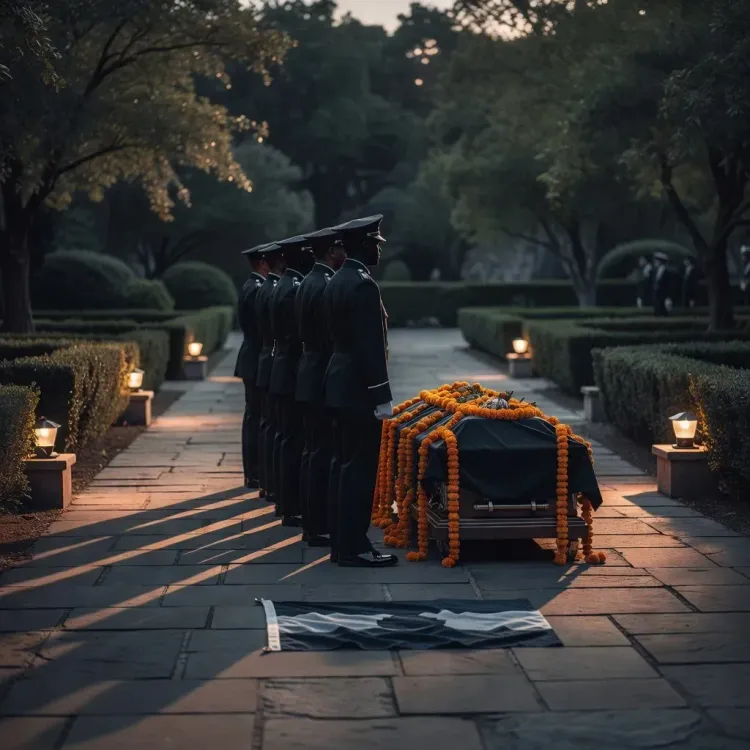
J&K Chief Minister Omar Abdullah on 22 July 2026 condemned a terror attack in Anantnag that killed Head Constable Ashiq Hussain of IRP 3rd Battalion. He offered condolences to the family and called the assault 'cowardly', reflecting the ongoing toll of militancy on J&K Police personnel in South Kashmir.
Key Takeaways
Head Constable Ashiq Hussain of IRP 3rd Battalion, J&K Police was killed in a terror attack in the Anantnag area of South Kashmir.
Chief Minister Omar Abdullah described the attack as 'cowardly' and issued an unequivocal condemnation on 22 July 2026 .
Anantnag district in South Kashmir has a long history of militant attacks targeting security forces.
The IRP 3rd Battalion is deployed for internal security and anti-militancy operations across Jammu and Kashmir.
The incident reflects the persistent low-intensity insurgency in the region despite the constitutional reorganisation of August 2019 .
Security forces are expected to launch follow-up operations to identify and apprehend the attackers.
Jammu and Kashmir Chief Minister Omar Abdullah on Wednesday, 22 July 2026, expressed deep grief over the death of Head Constable Ashiq Hussain of the IRP 3rd Battalion, J&K Police, who was killed in a terror attack in the Anantnag area of South Kashmir. The Chief Minister described the attack as 'cowardly' and offered his unequivocal condemnation alongside heartfelt condolences to the bereaved family.
Context
Head Constable Ashiq Hussain lost his life while serving in the IRP 3rd Battalion, one of the Indian Reserve Police units deployed across Jammu and Kashmir for internal security and anti-militancy operations. The attack took place in Anantnag district, a region in South Kashmir that has historically witnessed recurring militant violence targeting security forces. Chief Minister Omar Abdullah stated on X: 'HC Hussain made the ultimate sacrifice in a cowardly terror attack in Anantnag area of South Kashmir. I unequivocally condemn this attack and send my heartfelt condolences to the members of his family. May Allah grant him the highest place in Jannat.'
Policy Backdrop
The Jammu and Kashmir Police operates alongside central paramilitary forces in a persistent counter-insurgency environment that has continued well beyond the reorganisation of the erstwhile state into two union territories following the abrogation of Article 370 in August 2019. Despite periodic official assessments pointing to improved security conditions, South Kashmir districts including Anantnag have continued to witness targeted attacks on police and security personnel. The February 2019 Pulwama bombing, which killed 40 CRPF personnel, had earlier prompted a significant escalation in security protocols and counter-terror operations across the region.
The IRP battalions in Jammu and Kashmir are raised and funded jointly by the central and territorial governments and are frequently deployed in areas of active militancy, making their personnel among the most exposed to such attacks.
Stakeholders and Impact
The death of HC Ashiq Hussain adds to the toll borne by J&K Police personnel and their families, who carry the frontline burden of counter-insurgency duties. Regional political leaders, including those from the Jammu and Kashmir National Conference of which Omar Abdullah is vice-president, have consistently condemned militant attacks while simultaneously advocating for political outreach as a complement to security operations. The pattern underscores the dual challenge facing the elected government: maintaining law and order while pursuing a political process intended to address long-standing grievances.
The bereaved family of HC Hussain is entitled to ex-gratia relief and other benefits accorded to police personnel who die in the line of duty under existing central and territorial government norms.
What's Next
Security forces are expected to launch search and cordon operations in the Anantnag area to identify and neutralise the perpetrators of the attack. The incident is also likely to figure in deliberations within the Jammu and Kashmir Legislative Assembly, where law-and-order conditions in South Kashmir remain a recurring subject of debate. The attack reinforces the urgency of sustained counter-terror operations and the need for continued political engagement to address the underlying conditions that allow militancy to persist in the region.
Point of View
Particularly given the National Conference's historical positioning as a party that balances Kashmiri political aspirations with constitutional loyalty. The persistence of attacks in South Kashmir, especially in Anantnag, challenges the official narrative of a normalising security environment post-Article 370 abrogation and hands opposition voices fresh ammunition. For Abdullah's administration, each such incident sharpens the tension between its security mandate and its political outreach agenda. The condolence statement, while ceremonially routine, also carries an implicit demand on the central government to intensify counter-terror operations and intelligence coordination.
NationPress
22 Jul 2026
Frequently Asked Questions
Who was Head Constable Ashiq Hussain?
Head Constable Ashiq Hussain was a member of the IRP 3rd Battalion of the Jammu and Kashmir Police who was killed in a terror attack in the Anantnag area of South Kashmir on or around 22 July 2026.
What did Omar Abdullah say about the Anantnag attack?
Chief Minister Omar Abdullah described the attack as 'cowardly,' condemned it unequivocally, and offered heartfelt condolences to the family of the slain officer, also praying that Allah grant HC Hussain the highest place in Jannat.
Where did the Anantnag terror attack take place?
The attack took place in the Anantnag area of South Kashmir, a district that has historically seen repeated militant violence against security forces.
What is the IRP 3rd Battalion?
The IRP 3rd Battalion is an Indian Reserve Police unit deployed in Jammu and Kashmir for internal security and anti-militancy operations, raised jointly by the central and territorial governments.
How has militancy in South Kashmir changed since the abrogation of Article 370?
Despite the reorganisation of Jammu and Kashmir into two union territories in August 2019 and heightened security operations, South Kashmir districts including Anantnag have continued to witness targeted attacks on police and security personnel, reflecting a persistent low-intensity insurgency.