CM Soren seeks aid for Jharkhand workers in Sikkim tunnel landslide
Synopsis
Jharkhand CM Hemant Soren has appealed to Sikkim CM Prem Singh Tamang to assist Jharkhand workers affected by a tunnel landslide at the 500 MW Teesta Stage-VI hydroelectric project in Namchi district. The Jharkhand Migrant Cell has been activated and the state government says it is committed to full cooperation.
Key Takeaways
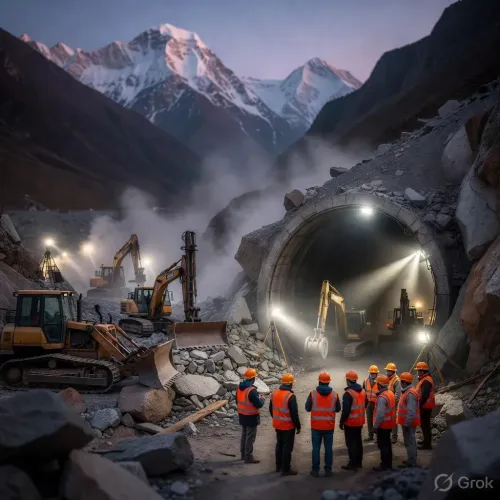
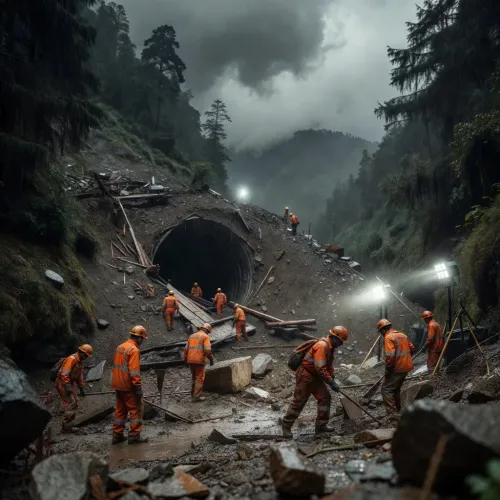
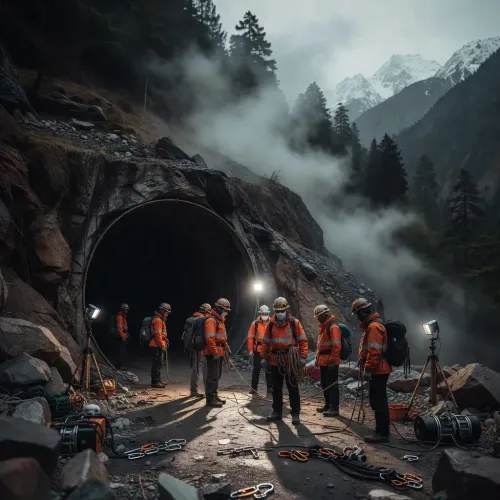
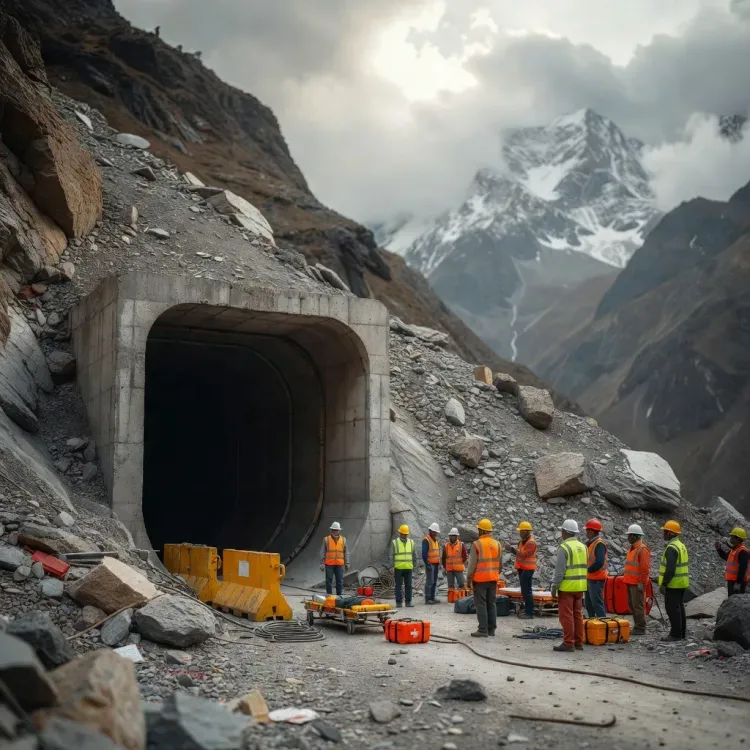
A landslide struck a tunnel at the under-construction Teesta Stage-VI Hydroelectric Project in Namchi district, Sikkim on 21 July 2026 .
Jharkhand CM Hemant Soren confirmed that some Jharkhand workers are among those affected, based on preliminary information.
Soren publicly appealed to Sikkim CM Prem Singh Tamang to extend all possible assistance to affected Jharkhand labourers.
The Jharkhand Migrant Cell (@migrantcell_JH) has been looped in to coordinate relief and track workers.
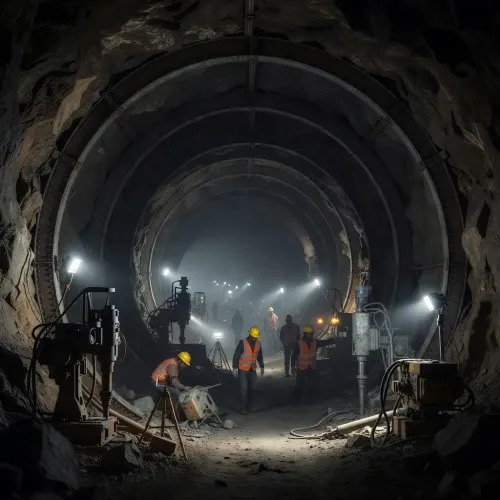
The Teesta Stage-VI project is a 500 MW run-of-river scheme featuring a 12–14 km head-race tunnel in geologically fragile Himalayan terrain.
The Jharkhand government stated it is 'committed to every necessary cooperation' and expressed condolences to affected families.
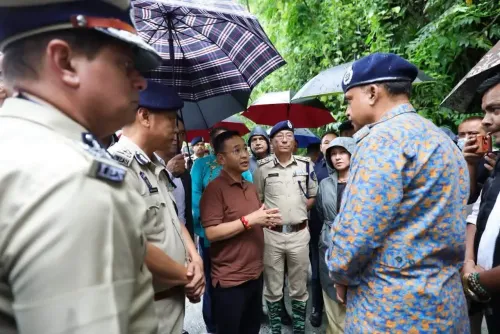
Jharkhand Chief Minister Hemant Soren on Wednesday, 22 July 2026, urged Sikkim Chief Minister Prem Singh Tamang to extend all possible assistance to Jharkhand workers affected by a landslide inside a tunnel at the under-construction Teesta Stage-VI Hydroelectric Project in Namchi district, Sikkim. Soren confirmed that the Jharkhand government is in continuous contact with authorities and is committed to providing every necessary support to those affected.
Context
The landslide struck a tunnel at the Teesta Stage-VI project site in Namchi district on Tuesday, 21 July 2026, trapping or injuring workers at the construction site. Soren, in his post, described the incident as 'atyant dukkhad aur chintajanak' (extremely saddening and alarming), noting that preliminary information indicated some workers from Jharkhand were among those affected. He directly appealed to CM Tamang — tagging him as @PSTamangGolay — to ensure all possible help reaches the Jharkhand labourers.
The Chief Minister also tagged @SPYadavGodda and the state's dedicated @migrantcell_JH handle, signalling that the Jharkhand Migrant Cell has been activated to coordinate relief and track affected workers. The Jharkhand government stated it remains 'committed to every necessary cooperation' and expressed full condolences to the families of those affected.
Policy Backdrop
The Teesta Stage-VI Hydroelectric Project is a 500 MW run-of-river scheme on the Teesta river in Sikkim, featuring a 12–14 km head-race tunnel that passes through geologically sensitive Himalayan terrain. Tunnel and underground construction of this scale routinely employs large numbers of migrant labourers from states such as Jharkhand, Odisha, and West Bengal, who form the backbone of the workforce on Himalayan hydro projects.
The Jharkhand Migrant Cell was established after 2015–16 specifically to register workers migrating for employment outside the state and to coordinate emergency support when incidents occur. Its activation in this case reflects the state government's standing protocol for cross-border labour emergencies. Himalayan hydroelectric tunnel sites sit in geologically fragile zones, and landslides or tunnel collapses — while not routine — have occurred at multiple such projects across the region over the years.
Stakeholders and Impact
The most immediate stakeholders are the Jharkhand migrant workers employed at the Teesta Stage-VI site and their families back home. Labour from Jharkhand has historically migrated in significant numbers to construction and infrastructure projects across northeastern and Himalayan states, drawn by employment in tunnelling, blasting, and civil works. An incident of this nature has direct humanitarian consequences for workers who are far from home with limited access to local support networks.
The Sikkim government under CM Prem Singh Tamang, the project developer, and central agencies overseeing the hydroelectric scheme are all key actors in the rescue and relief phase. Soren's public appeal to Tamang adds an inter-governmental dimension, making it a matter of formal coordination between two state administrations. The Jharkhand Migrant Cell is expected to liaise with Sikkim authorities to establish the identities, status, and medical needs of affected workers.
What's Next
Rescue and relief operations at the Namchi tunnel site will be the immediate priority, with updates on the number of workers affected awaited from both state governments and the project developer. The Jharkhand Migrant Cell is likely to compile a list of affected workers for compensation and repatriation coordination. A safety audit of the tunnel and construction practices at the site may follow once the emergency phase concludes.
The incident could also renew pressure on state governments and project developers to strengthen mandatory registration of migrant workers at large infrastructure sites, and to ensure robust emergency response protocols are in place before work begins in geologically unstable zones. CM Soren's intervention signals that Jharkhand will push for accountability and support through both inter-governmental channels and its dedicated migrant welfare machinery.
Point of View
A constituency that Soren's government has made a political priority through dedicated welfare infrastructure. How quickly and transparently the two governments share information on casualties and compensation will be a test of the migrant welfare frameworks both states have built.
NationPress
21 Oct 2026
Frequently Asked Questions
What happened at the Teesta Stage-VI project tunnel in Sikkim?
A landslide struck a tunnel at the under-construction Teesta Stage-VI Hydroelectric Project in Namchi district, Sikkim, on 21 July 2026, affecting workers at the site, including some from Jharkhand.
Who is Prem Singh Tamang and why did Hemant Soren contact him?
Prem Singh Tamang is the Chief Minister of Sikkim and president of the Sikkim Krantikari Morcha. Soren contacted him because the tunnel incident occurred in Sikkim and Tamang's government is the primary authority responsible for relief at the site.
What is the Jharkhand Migrant Cell?
The Jharkhand Migrant Cell is a state government unit established after 2015–16 to register and support Jharkhand workers employed outside the state, particularly in construction and infrastructure projects, and to coordinate emergency assistance when incidents occur.
What is the Teesta Stage-VI Hydroelectric Project?
The Teesta Stage-VI Hydroelectric Project is a 500 MW run-of-river scheme on the Teesta river in Sikkim, featuring a 12–14 km head-race tunnel through Himalayan terrain. It was under construction at the time of the incident.
How many Jharkhand workers were affected in the Sikkim tunnel landslide?
Exact casualty or affected-worker figures have not been officially confirmed. CM Soren stated that 'some workers' from Jharkhand were affected based on preliminary information, and both state governments are in contact to establish the full picture.