Palakkad Rail Division split: Congress MPs on hunger strike on Thiruvonam
Synopsis
On Thiruvonam — Kerala's most sacred family festival — Congress MPs chose a hunger strike over the traditional sadhya. The target: a Railway Board decision that could strip the Palakkad Division of ₹1,100 crore in annual revenue and, critics warn, eventually threaten its very existence. The timing is deliberate, the symbolism unmistakable.
Key Takeaways
Congress MPs from North Kerala launched a hunger strike on Thiruvonam, 26 August , foregoing the traditional Onam sadhya.
The protest targets the Railway Board's decision to transfer Mangaluru Central , Mangaluru Junction , and other areas from the Palakkad Division to the Mysuru Division .
The Palakkad Division could lose approximately ₹1,100 crore per year; the Mysuru Division stands to gain ₹500–600 crore annually.
Freight traffic accounts for nearly 90 per cent of the Palakkad Division's revenue, making it highly exposed to the proposed split.
Satheesan has written to Prime Minister Narendra Modi seeking reconsideration, citing lack of consultation with the Kerala government.
The UDF alleges the restructuring is politically motivated, linked to upcoming Karnataka elections .
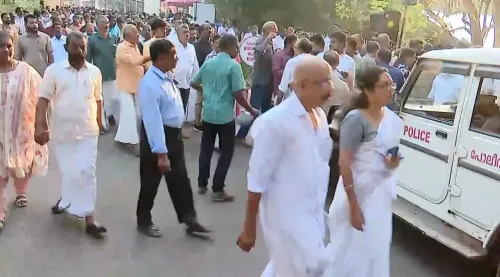
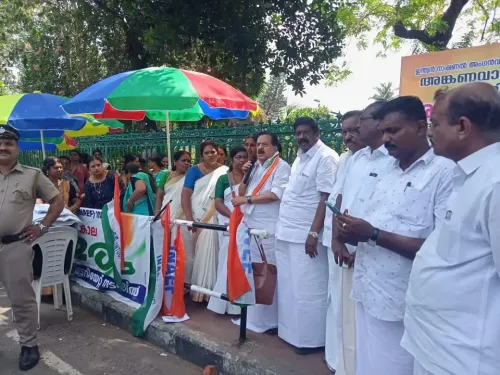
Congress MPs from North Kerala launched a hunger strike on Thiruvonam, 26 August, foregoing the traditional Onam sadhya to protest the Railway Board's decision to transfer key areas — including Mangaluru station — from the Palakkad Railway Division to the Mysuru Division of the South Western Railway. The protest, backed by the United Democratic Front (UDF), marks one of the most symbolically charged political demonstrations in Kerala's recent memory, timed deliberately on the state's most significant festival.
What the Railway Board Decided
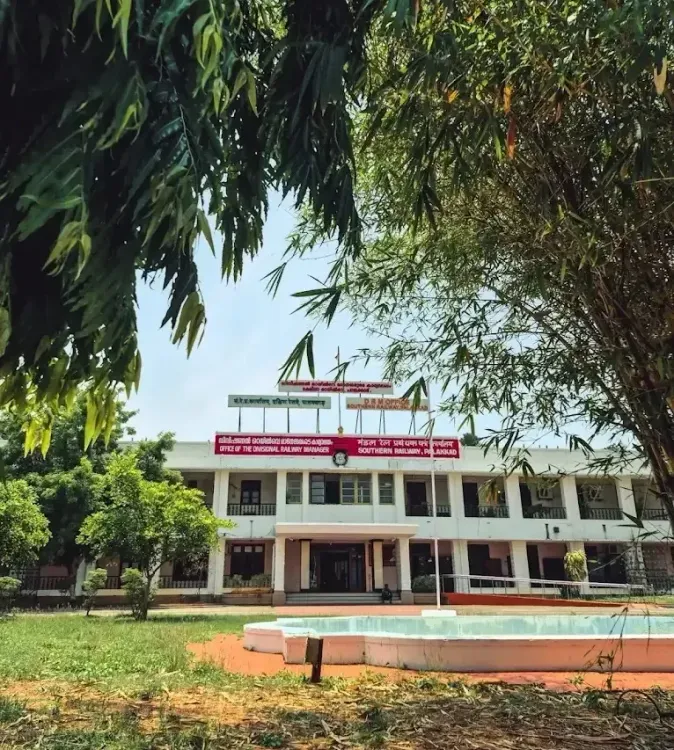
The Railway Board has proposed transferring areas including Mangaluru Central and Mangaluru Junction from the Palakkad Division to the Mysuru Division under the South Western Railway zone. The UDF contends the decision was taken without consulting the Kerala government, despite its significant implications for the state's railway infrastructure and long-term development.
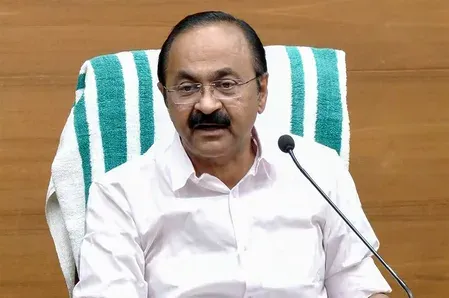
Chief Minister V.D. Satheesan has written to Prime Minister Narendra Modi urging a reconsideration of the Board's order, stressing that Kerala was not given a voice before such a consequential administrative change was implemented.
The Financial Stakes for Kerala
The financial impact of the proposed restructuring is at the heart of the controversy. The transfer is expected to hand the Mysuru Division an additional ₹500–600 crore in annual revenue. In contrast, the Palakkad Division could lose approximately ₹1,100 crore per year, primarily through the separation of Panambur and other freight-heavy zones.
Freight traffic currently accounts for nearly 90 per cent of the Palakkad Division's revenue, making it acutely vulnerable to any territorial reduction. The loss of the two Mangaluru stations would further erode its passenger revenue base.
UDF's Core Argument
The UDF argues that while total railway earnings may not decline at the national level — since revenue would effectively shift from one division to another — Kerala stands to lose both financial resources and administrative influence over a strategically important rail corridor.
The deeper concern, according to UDF leaders, is the long-term viability of the Palakkad Division itself. With a substantial share of its revenue-generating territory transferred out, the division's fiscal health could deteriorate to the point where its continued existence comes into question.
The Political Dimension
The Congress MPs have accused the Bharatiya Janata Party (BJP)-led Centre of engineering the restructuring with an eye on the forthcoming Karnataka elections, suggesting the move is designed to benefit constituencies in that state at Kerala's expense. The Centre has not publicly responded to this allegation.
By staging the hunger strike on Thiruvonam — the day when Kerala families traditionally gather for the elaborate 26-course sadhya — the MPs are making a pointed statement: that the threat to Kerala's railway interests outweighs even the year's most cherished celebration. Whether the protest compels a policy rethink from New Delhi remains to be seen.
Point of View
It sets a troubling precedent for how rail geography gets redrawn ahead of state polls. Chief Minister Satheesan's letter to Modi is politically necessary but unlikely to be sufficient — Kerala will need to build a cross-party, multi-state coalition if it wants New Delhi to pause.
NationPress
26 Aug 2026
Frequently Asked Questions
Why are Congress MPs on hunger strike on Thiruvonam?
Congress MPs from North Kerala are on hunger strike on Thiruvonam, 26 August, to protest the Railway Board's decision to transfer areas including Mangaluru station from the Palakkad Division to the Mysuru Division of the South Western Railway. They argue the move will cost Kerala approximately ₹1,100 crore in annual railway revenue.
What is the Palakkad Railway Division split controversy?
The Railway Board has proposed transferring Mangaluru Central, Mangaluru Junction, Panambur, and other areas from the Palakkad Division to the Mysuru Division. Critics say this will severely weaken the Palakkad Division, which relies on freight for nearly 90 per cent of its revenue, and could eventually threaten its viability as an independent division.
How much revenue could Kerala lose from the Palakkad Division restructuring?
The Palakkad Division could lose around ₹1,100 crore per year, according to UDF estimates, primarily from the separation of Panambur and other freight-heavy zones. The Mysuru Division is expected to gain ₹500–600 crore annually from the transferred territory.
What has Kerala's Chief Minister done in response?
Chief Minister V.D. Satheesan has written to Prime Minister Narendra Modi urging a reconsideration of the Railway Board's decision. Satheesan highlighted that the Kerala government was not consulted before the restructuring was announced, despite its significant impact on the state's railway infrastructure.
Why does the UDF allege political motivation behind the railway restructuring?
The UDF alleges the BJP-led Centre timed the decision to benefit Karnataka constituencies ahead of forthcoming state elections there. The Congress argues that while overall railway revenue would not decline nationally, Kerala would lose both income and administrative control over a strategically important rail network.