Pakistan minority rights 2026: Violence, forced conversions put children at grave risk
Synopsis
Three years after mobs razed 26 churches in Jaranwala and justice remains elusive, a Netherlands-based rights activist is documenting fresh cases of abducted minority girls as young as 12 in Pakistan — exposing a pattern of impunity that constitutional guarantees have failed to break.
Key Takeaways
Joseph Janssen of Voice for Justice flagged Pakistan's failure to protect religious minorities during the 22 August international day of observance.
Three cases cited: Amber Nadeem (13) from Faisalabad, Sataish Mariam (14) from Chichawatni, and Mariam Asif (12) from Vehari — all allegedly abducted, converted, and married.
In Amber's case, the accused's family reportedly coached her to claim she was an adult before a magistrate.
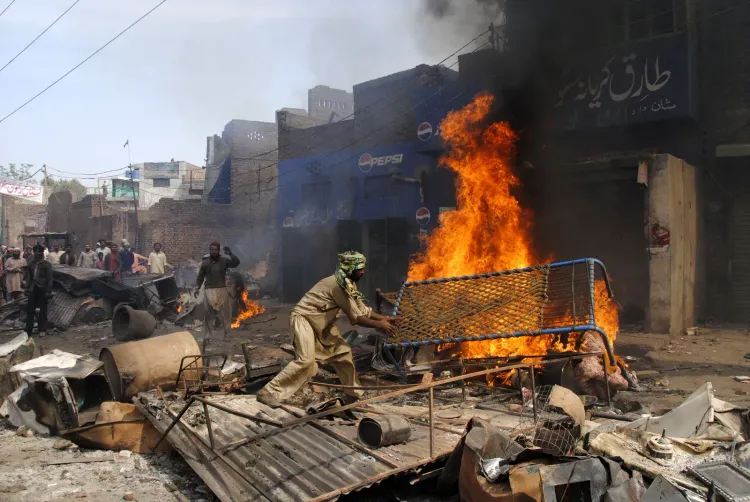
The Jaranwala attacks of 16 August 2023 damaged 26 churches and over 80 homes ; affected families are still awaiting justice nearly three years on.
Janssen called on Pakistani authorities to enforce child-protection laws, ensure accountability, and convert constitutional guarantees into real-world protection.
Pakistan's religious minorities face mounting threats from violence, forced conversions, and weak legal enforcement, according to a report citing Joseph Janssen, founder of the Netherlands-based advocacy group Voice for Justice. The assessment was made in connection with the International Day Commemorating the Victims of Acts of Violence Based on Religion or Belief, observed annually on 22 August under a United Nations resolution adopted in 2019.
Cases of Abducted Minority Girls
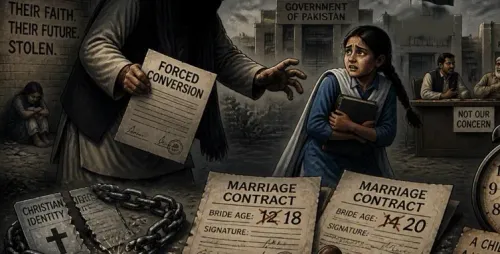
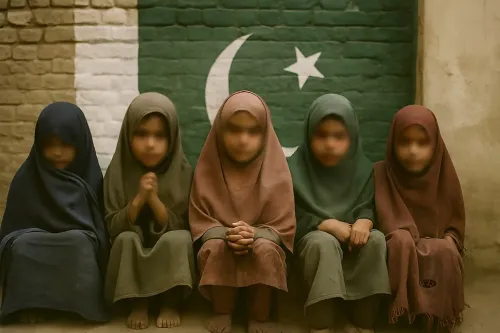
Janssen raised alarm over a pattern of minority girls allegedly abducted, forcibly converted, and subsequently married across Pakistan. He cited three specific cases: 13-year-old Amber Nadeem, allegedly abducted from Faisalabad on 12 June 2026; 14-year-old Sataish Mariam from Chichawatni in January; and 12-year-old Mariam Asif from Vehari in April.
In Amber's case, Janssen said she reportedly told a magistrate that the accused's family had pressured and coached her to claim she was an adult. He argued that such cases raise serious concerns about age verification, document authenticity, allegations of coercion, and whether a minor is capable of giving free and informed consent. He stressed that a minor's alleged consent must not override an independent assessment of the child's age, safety, and welfare.
Systemic Failures in Protection
Janssen said these cases reflect "broader concerns about the protection of minority children and the effectiveness of investigations and judicial processes in cases involving alleged abduction, conversion and marriage." He called on Pakistan's federal and provincial authorities to strengthen safeguards for religious minorities, hold perpetrators of religiously motivated violence accountable, and enforce existing child-protection and child-marriage laws.
Critics argue that legal provisions on paper have consistently failed to translate into effective protection on the ground, with low conviction rates and alleged institutional bias in cases involving minority communities.
Jaranwala Attacks: Justice Still Pending
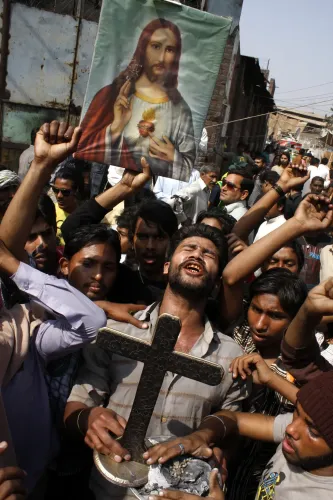
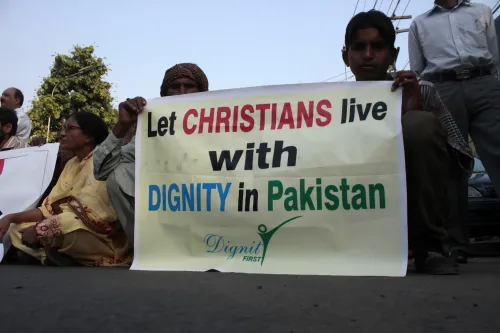
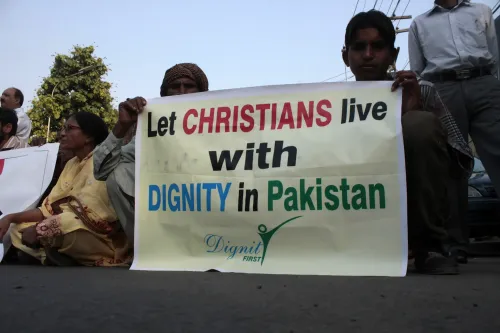
Janssen also highlighted that Pakistani Christian families targeted in the Jaranwala attacks of 16 August 2023 — in which mobs damaged 26 churches and more than 80 homes — continue to seek justice nearly three years later. "Jaranwala was an attack on an entire Christian community," he said, urging authorities to hold accountable those involved in planning, inciting, or facilitating the violence.
This comes amid a broader pattern of mob violence against minority communities in Pakistan, with accountability remaining elusive in several high-profile cases. Notably, the Jaranwala incident drew international condemnation at the time, yet prosecutions have remained limited, according to rights groups.
Calls for Constitutional Accountability
Janssen urged Pakistani authorities to "translate constitutional guarantees of equality and freedom of religion into effective protection for citizens and accountability for human-rights violations." He called for an independent judicial mechanism to assess cases involving alleged abduction and conversion of minors, free from coercion or external pressure.
As international scrutiny of Pakistan's minority rights record intensifies, advocates say the gap between constitutional promise and ground-level reality remains wide — and dangerously so for the country's most vulnerable communities.
Point of View
26 churches destroyed, 80-plus homes damaged, and prosecutions that rights groups describe as superficial. Pakistan's pattern on minority rights is not one of policy failure alone — it is one of structural impunity, where constitutional protections exist as text but not as enforcement. The cases of 12-, 13-, and 14-year-old girls allegedly coached to misrepresent their ages in court point to a deeper rot: the legal system itself is being used as an instrument of coercion rather than protection. International pressure has historically produced statements from Islamabad, not convictions. Until accountability is measured in verdicts rather than resolutions, the cycle is unlikely to break.
NationPress
26 Aug 2026
Frequently Asked Questions
What is the situation of religious minorities in Pakistan in 2026?
Pakistan's religious minorities continue to face violence, forced conversions, and weak legal enforcement, according to a rights report citing activist Joseph Janssen. Cases of minority girls allegedly abducted, forcibly converted, and married have been documented across multiple provinces in 2026.
Who is Joseph Janssen and what has he said about Pakistan?
Joseph Janssen is the founder of Voice for Justice, a Netherlands-based minority rights organisation. He has called on Pakistani federal and provincial authorities to enforce child-protection laws, hold perpetrators of religiously motivated violence accountable, and ensure constitutional guarantees of equality are applied in practice.
What happened in the Jaranwala attacks of 2023?
On 16 August 2023, mobs attacked a Christian community in Jaranwala, damaging 26 churches and more than 80 homes. Nearly three years later, affected families are reportedly still awaiting meaningful justice, with rights advocates describing prosecutions as inadequate.
Which cases of abducted minority girls were cited in the report?
Three cases were cited: 13-year-old Amber Nadeem, allegedly abducted from Faisalabad on 12 June 2026; 14-year-old Sataish Mariam from Chichawatni in January; and 12-year-old Mariam Asif from Vehari in April. All three allegedly involve forced conversion and marriage.
What reforms has the rights activist demanded from Pakistan?
Janssen has called for stronger safeguards for religious minorities, enforcement of child-marriage and child-protection laws, independent age-verification mechanisms in conversion cases, and accountability for those who planned or incited religiously motivated violence such as the Jaranwala attacks.